Politics
Trump Redirected Over $1 Billion in Education Spending
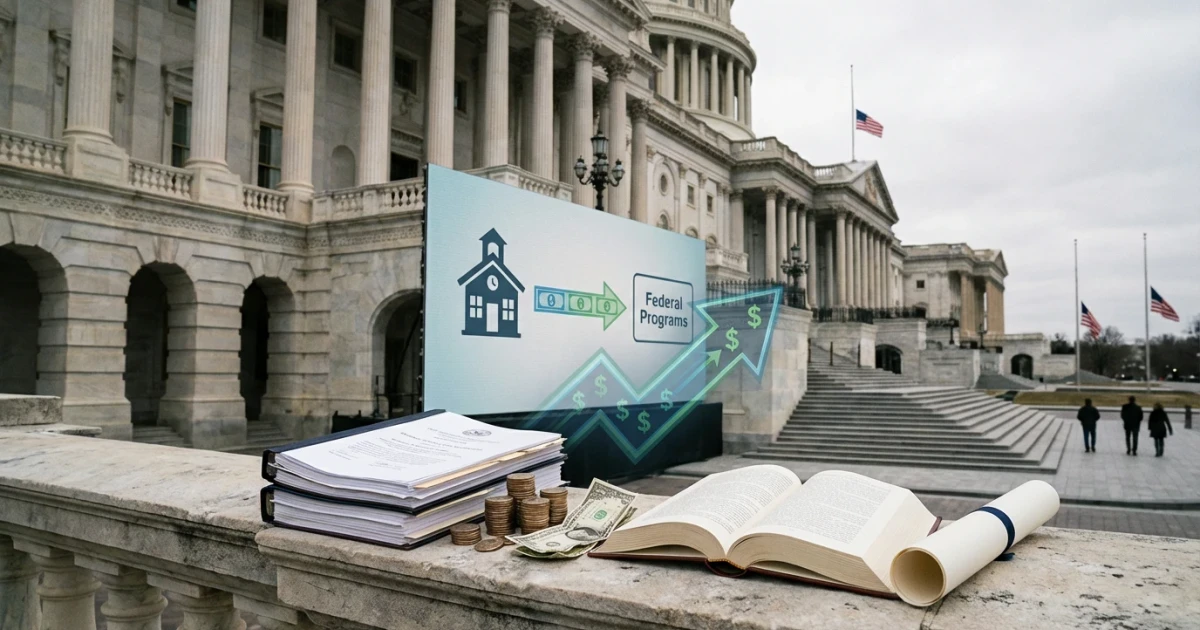
Former President Donald Trump redirected more than $1 billion in federal education spending last year without direct Congressional approval, according to an investigation by Education Week. The report highlights a significant use of executive authority to reallocate funds, sparking renewed debate over the balance of power in federal education policy.
Executive Decisions Shift Billions in Education Funds
The Education Week analysis found that the Trump administration moved substantial sums—exceeding $1 billion—to various education programs without the usual Congressional appropriations process. This strategy involved leveraging discretionary authority granted under several federal laws, most notably the CARES Act, which provided emergency relief funds during the COVID-19 pandemic. The Education Department, under then-Secretary Betsy DeVos, reallocated funds intended for a broad range of K-12 and higher education purposes.
How the Administration Bypassed Congressional Oversight
Legal experts and education advocates note that while the executive branch has some flexibility in allocating federal funds, the scale and scope of the Trump administration’s actions were highly unusual. Typically, federal education spending is subject to detailed appropriations by Congress, outlined in documents like the U.S. Department of Education Budget Summary. However, the administration cited emergency powers and statutory flexibility authorized by the CARES Act to justify these moves.
- Over $13 billion was distributed to K-12 schools via the Education Stabilization Fund, but the redirection of over $1 billion specifically drew scrutiny for bypassing typical legislative controls.
- The Government Accountability Office has previously highlighted the flexibilities in federal education funding enacted during the pandemic, though the Trump administration’s approach went further than prior administrations.
Impact on Schools and Programs
The reallocated funds affected a range of programs, from emergency support for private schools to new grants for charter school expansion. According to Education Week, some funds originally earmarked for public school COVID-19 relief were diverted to private education initiatives, sparking criticism from public school advocates and Democratic lawmakers.
- Some districts reported delays or reductions in anticipated federal support, citing confusion over changing guidelines.
- Private and charter schools saw an increase in direct federal aid, a shift from previous funding norms.
Debate Over Executive Power in Education Funding
The Trump administration’s actions reignited debate over the executive branch’s role in federal education policy. While some supporters argued that the flexibility was necessary to respond to the pandemic, critics contend that the moves undermined Congressional authority and set a precedent for future administrations.
For those seeking deeper insight, the Congressional Research Service provides analysis of the Education Stabilization Fund and executive spending authority, while the National Center for Education Statistics offers data on long-term trends in federal education funding allocations.
Looking Ahead
This episode has prompted calls for clearer guidelines on executive authority in federal education spending. Lawmakers from both parties have proposed tightening legislative oversight to prevent future presidents from redirecting large sums without Congressional approval. As federal education funding remains a contentious political issue, the effects of the Trump administration’s decisions are likely to influence future debates over the balance of power in American education policy.