World
Trump reimposes Strait of Hormuz blockade, orders 20% shipping toll
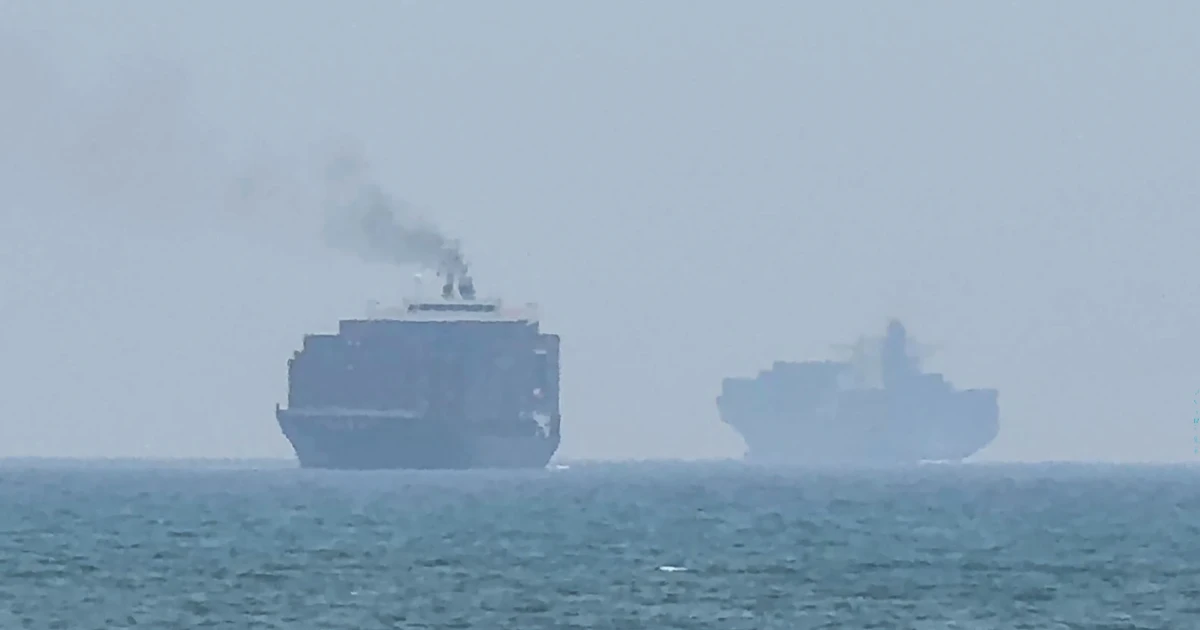
President Donald Trump said the United States would reimpose a blockade on Iranian ports near the Strait of Hormuz and charge a 20% toll on all cargo shipped through the waterway. U.S. Central Command said the blockade would begin Tuesday at 4 p.m. ET, escalating a fight that has already rattled oil markets and maritime traffic.
Trump’s order marked a sharp reversal from his earlier ceasefire announcement. On July 8, he said the ceasefire with Iran was “over” after fresh U.S.-Iran exchanges of fire, and he signaled that Washington would restore its naval blockade in the Strait of Hormuz. He had warned on June 20 that he could impose tolls in the strait if a deal with Tehran was not completed within 60 days, but the new charge went further by turning that threat into a formal 20% fee on every shipment crossing one of the world’s most important oil routes.
The move immediately hit energy markets. Brent crude futures climbed above $82 a barrel after the blockade announcement, underscoring how tightly prices track any threat to the Strait of Hormuz, a chokepoint for global oil shipping. The toll also raises the cost of every cargo moving through the passage, adding pressure to insurers, shippers and importers already facing disruption from the renewed fighting.
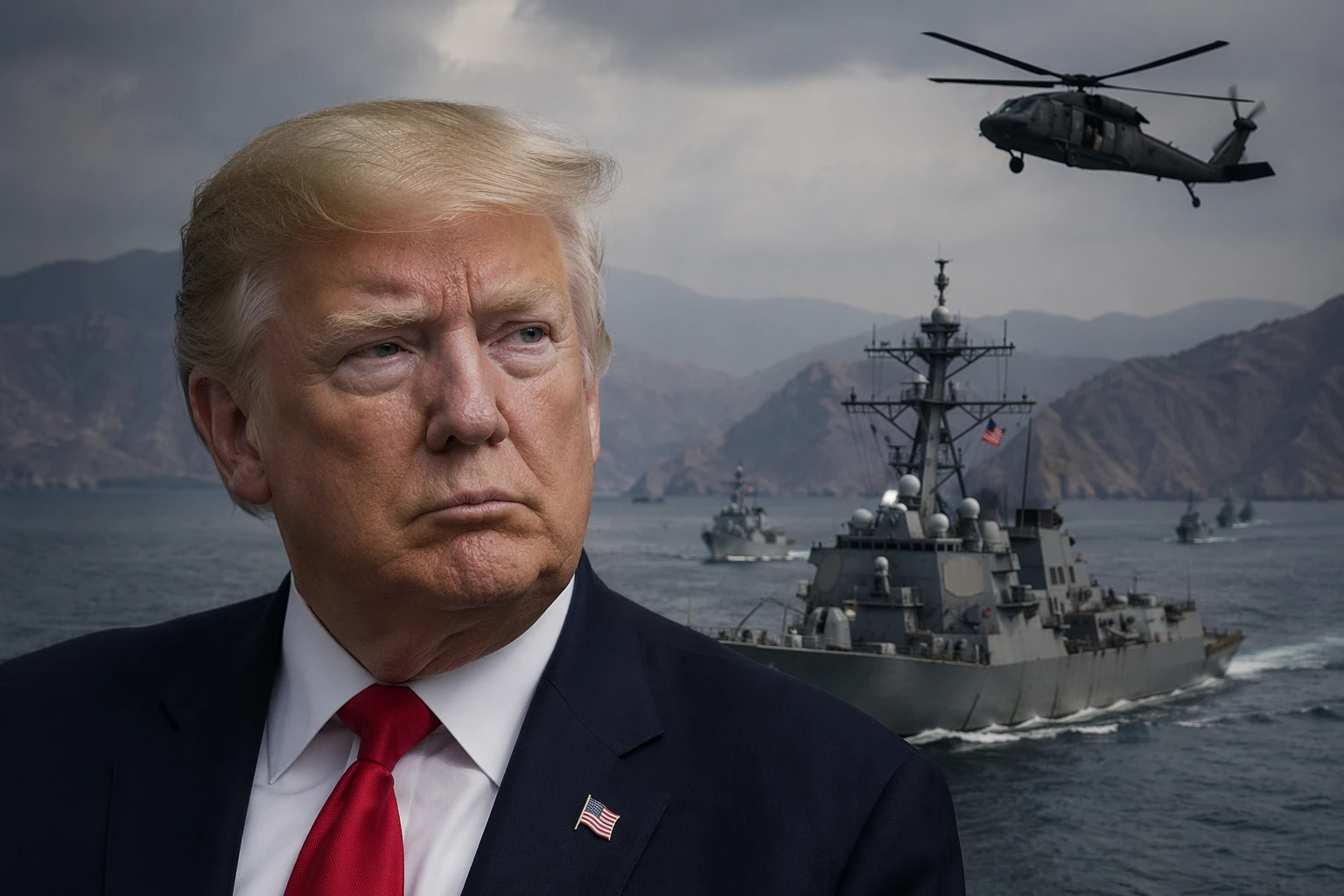
The legal and political stakes are just as high. Reports said the U.S. government had previously argued that tolls or fees on shipping through the strait were not appropriate, making Trump’s new policy a stark break from the earlier position. That shift could complicate the administration’s effort to defend the blockade as a security measure rather than a revenue grab.
The latest flare-up followed several days of strikes and retaliatory attacks across the region. Iran reportedly fired at a commercial ship in the Strait of Hormuz before the latest U.S. retaliation, and the unrest spread to targets in Jordan, Qatar, Kuwait, Oman and the United Arab Emirates. Iranian Foreign Minister Abbas Araghchi said 20% was too much and added that Iran had always been the guardian of the Strait, a public rebuke that deepened the confrontation over control of the waterway.
Sources
- [1]nytimes.com
- [2]cnbc.com
- [3]cfpublic.org
- [4]thehill.com
- [5]aljazeera.com
- [6]cbsnews.com
- [7]news.sky.com