US News
Trump Rejects Iran Response to U.S. Peace Proposal
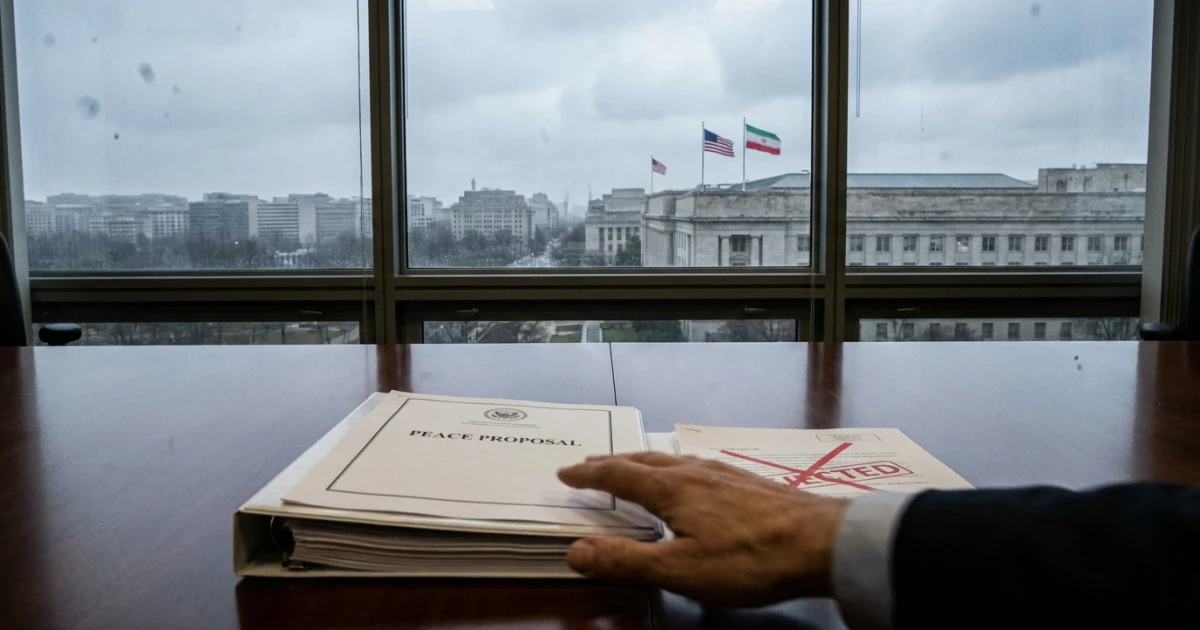
Donald Trump has publicly rejected Iran’s response to a U.S.-proposed peace plan aimed at ending conflict in the Middle East, describing the reply as “totally unacceptable.” The former president’s remarks come amid heightened tensions and continued diplomatic efforts to resolve longstanding disputes between the U.S. and Iran.
Trump’s Statement on Iran’s Peace Plan Response
In an interview with Axios, Trump addressed Iran’s reaction to the U.S. peace proposal, stating plainly, "I don't like" Iran's peace plan response.
Context of the U.S. Peace Proposal
The U.S. peace plan was developed as a diplomatic initiative intended to deescalate ongoing conflict in the Middle East. Although details of the proposal have not been fully disclosed, the plan reportedly outlined steps for mutual concessions and confidence-building measures between the U.S. and Iran. The response from Iran was seen as critical in shaping the future of negotiations and potential resolution of regional disputes.
- Trump’s rejection signals continued skepticism toward Iran’s intentions.
- The U.S. proposal followed months of international pressure and diplomatic outreach.
- Iran’s response was characterized by U.S. officials as falling short of expectations for genuine peace.
Implications for Middle East Diplomacy
The exchange highlights the persistent challenges in U.S.-Iran relations and the broader timeline of Iran–US tensions. Analysts note that Trump’s public dismissal of Iran’s response may complicate further diplomatic efforts and reduce the likelihood of near-term breakthroughs. The UN Security Council’s sanctions regime and ongoing nuclear negotiations continue to play a key role in shaping the contours of U.S.-Iran dialogue.
Regional Reactions and Wider Consequences
Trump’s comments have drawn attention from regional actors, with some governments expressing concern that the rejection may escalate tensions. Others believe the U.S. stance reinforces a tough negotiating posture designed to pressure Iran into greater concessions. According to the 2023 U.S. State Department report, Iran’s compliance with arms control and nonproliferation agreements remains a key issue for international stakeholders.
- Diplomatic channels remain open, but prospects for immediate progress appear limited.
- Regional security and stability depend on continued engagement and negotiation.
- Economic sanctions and military posturing contribute to the complexity of the situation.
Looking Ahead
While Trump’s rejection of Iran’s peace plan response signals a setback in diplomatic efforts, the situation remains fluid. International observers stress the importance of sustained dialogue and the potential for renewed negotiations in the future. For readers interested in the evolving landscape, the SIPRI Yearbook 2023 provides comprehensive data on military expenditures and arms transfers in the region, offering deeper insight into the strategic dynamics at play.
As developments continue to unfold, the trajectory of U.S.-Iran relations will be closely watched by policymakers, analysts, and global audiences alike, with the hope that eventual compromise may be reached through persistent diplomatic engagement.