US News
Trump Rejects Iran’s 14-Point Peace Proposal
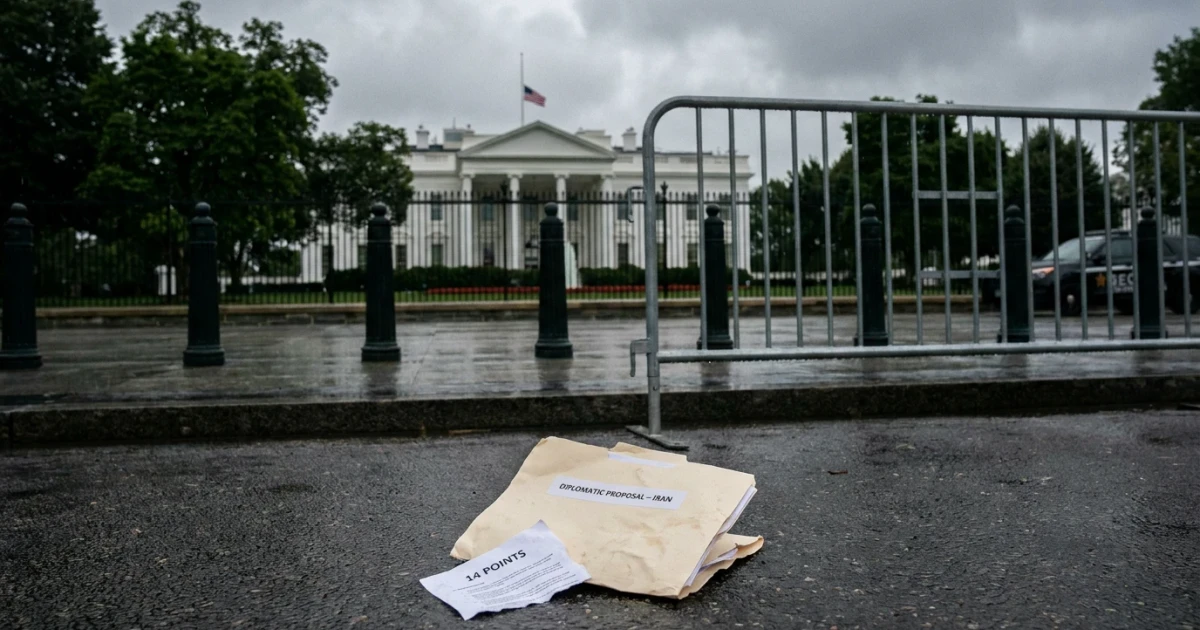
US President Donald Trump has reportedly rejected Iran’s 14-point peace plan as diplomatic efforts to end the current conflict continue, according to coverage from Sky News Australia. The development marks a significant setback in ongoing negotiations aimed at achieving a lasting resolution to the war involving Iran and its regional adversaries.
Background to the Peace Proposal
The Iranian government put forward a 14-point plan in an effort to outline possible terms for de-escalation and an eventual ceasefire. While the full text of the plan has not been released publicly, such proposals typically address a mix of military, political, and humanitarian issues, including calls for reduced sanctions, withdrawal of foreign forces, and security guarantees. The plan was reportedly delivered as part of ongoing back-channel talks and multilateral negotiations involving UN observers and major international stakeholders.
Iran’s role and influence in the region remains a central issue, with the country’s military capabilities and alliances frequently cited as complicating factors in peace talks. According to the SIPRI Arms Transfers Database, Iran continues to maintain and modernize its conventional forces even amidst sanctions and embargoes, while supporting proxy groups in neighboring countries.
US Position and Trump’s Response
Sky News Australia reported that President Trump found Iran’s 14-point proposal “unacceptable” as it stands. While no specific details have been released regarding the particular points of contention, US officials have historically insisted that any peace agreement must include comprehensive restrictions on Iran’s regional military activities, as well as robust mechanisms for verification and enforcement.
The rejection comes despite ongoing international diplomatic efforts to reduce tensions and avert a broader conflict. The United States has previously emphasized its commitment to protecting regional allies and maintaining economic pressure on Iran through sanctions, as documented in official State Department reports.
Negotiation Challenges and Regional Impact
Efforts to broker peace in the region have been hampered by deep distrust and conflicting strategic interests. As noted in a Congressional Research Service analysis, key sticking points often include:
- The scope and timing of sanctions relief
- Verification of military withdrawals and disarmament
- Iran’s relationship with non-state armed groups
- Security assurances for US regional partners
Observers note that Iran’s peace proposal may have included provisions on several of these issues, but the lack of transparency around the negotiations has fueled speculation and uncertainty. The US administration’s firm stance reflects ongoing concerns about Iran’s intentions and the need for enforceable guarantees.
Next Steps in the Peace Process
While President Trump’s rejection of the current plan represents a setback, diplomatic channels remain open. Both sides have expressed, at various times, a willingness to continue talking, though mutual suspicion and geopolitical rivalries continue to pose significant obstacles. The international community, including the United Nations and European Union, is expected to maintain pressure for renewed dialogue and incremental confidence-building measures.
For readers seeking a deeper understanding of the context and underlying complexities, the following resources provide further background:
- Iran’s military capabilities and alliances
- Data on arms transfers in the Middle East
- UN Security Council sanctions and compliance documents
- Congressional Research Service report on Iran
- US State Department’s 2022 report on Iran and terrorism
Conclusion
As negotiations stall, the prospects for a comprehensive peace agreement remain uncertain. Both the United States and Iran continue to signal openness to dialogue, but fundamental disagreements over security, sanctions, and regional influence will likely require sustained diplomatic engagement and third-party mediation. The coming weeks are expected to see further diplomatic activity, as international actors seek to bridge the divides and prevent escalation.