World
Trump Rejects Iran’s Latest Peace Proposal Amid Rising Costs
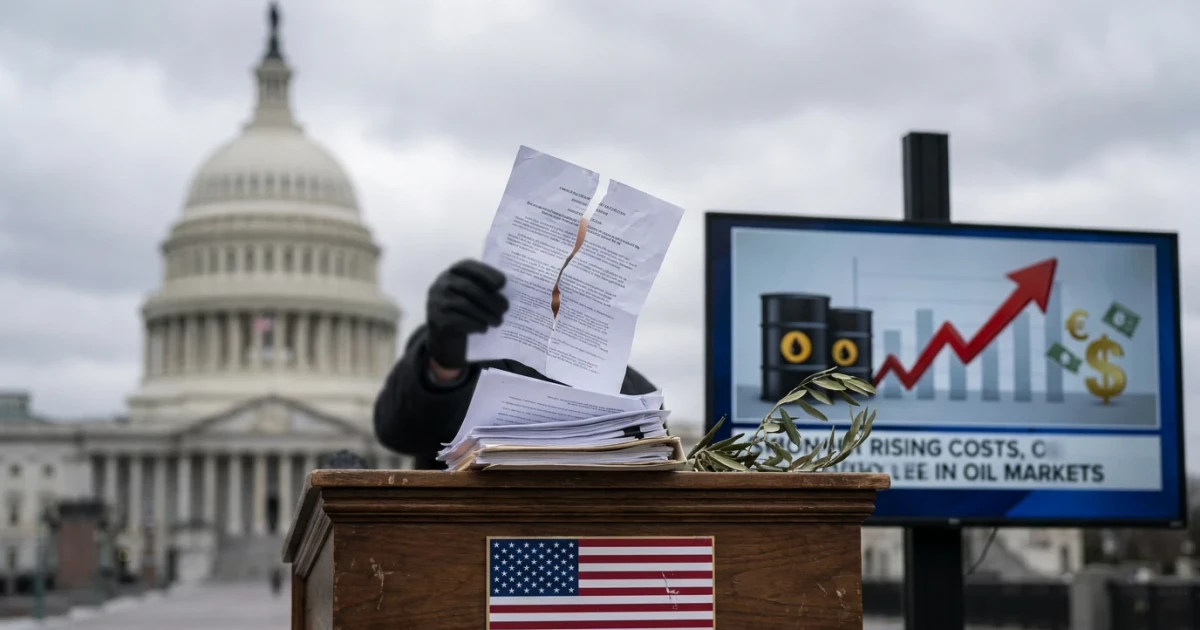
President Donald Trump has publicly stated he is “not satisfied” with a new peace deal proposal put forward by Iran, as the diplomatic standoff between the two nations continues to have broad economic and geopolitical repercussions. The updated proposal, sent to mediators in Pakistan, has not yet led to a breakthrough, and the costs of the ongoing standoff are mounting for both countries and the wider global community.
Oil Prices Respond to Diplomacy
Following news that Iran had sent an updated peace proposal to mediators in Pakistan, international oil prices fell on expectations that tensions in the region might ease. The price of West Texas Intermediate (WTI) crude dropped as traders anticipated a possible de-escalation in hostilities. However, market analysts remain cautious, noting that President Trump’s rejection of the current proposal adds new uncertainty.
- Oil prices had previously surged amid fears of supply disruptions in the Middle East.
- Recent declines suggest markets are reacting to even the hint of progress in negotiations, highlighting the sensitivity of energy markets to political developments in the region.
Sanctions and Economic Pressure
Throughout the standoff, the United States has maintained and expanded a wide range of sanctions on Iran, targeting sectors from energy to banking. These measures have exerted significant pressure on Iran’s economy, already weakened by years of international isolation and internal challenges. Data from the International Monetary Fund shows that Iran has experienced sluggish growth, high inflation, and reduced oil exports as a result of these sanctions.
- Sanctions have limited Iran’s access to global financial systems and reduced foreign investment.
- U.S. officials argue that this pressure is necessary to curb Iran’s nuclear ambitions and regional influence.
- Iranian leaders maintain that sanctions are unjust and hinder ordinary citizens’ livelihoods.
Diplomatic Mediation in Pakistan
The latest peace proposal was delivered through mediators in Pakistan, a country that has increasingly played a role as a diplomatic bridge in the region. While details of the proposal remain undisclosed, the willingness of both sides to use third-party channels suggests that backdoor negotiations are ongoing even as public rhetoric remains tough.
- Pakistan has long-standing ties with both the U.S. and Iran, making it a logical choice for mediation efforts.
- Observers note that the use of mediators can allow both sides to save face while exploring compromise.
Growing Costs of the Standoff
The costs of the U.S.-Iran standoff are becoming increasingly apparent, both in direct economic terms and through broader geopolitical instability. According to analysis from the Congressional Research Service, extended tensions have:
- Disrupted global energy markets, leading to volatile fuel prices for consumers worldwide.
- Strained international alliances, with some U.S. partners advocating for restraint and diplomacy.
- Hampered economic development in Iran, reducing government revenues and exacerbating humanitarian concerns.
- Increased military expenditures and the risk of miscalculation in the region.
Looking Ahead
As President Trump remains unsatisfied with the current terms on offer, the diplomatic impasse looks set to continue in the short term. However, the reaction of oil markets to even tentative moves toward negotiation indicates that stakeholders around the world are eager for a peaceful resolution. With mediation channels open and the costs of confrontation mounting, the coming weeks may prove pivotal in determining whether the standoff can be peacefully resolved or whether uncertainty will continue to shape the region and the global economy.