Politics
Trump renews baseless election fraud claims in rare primetime speech
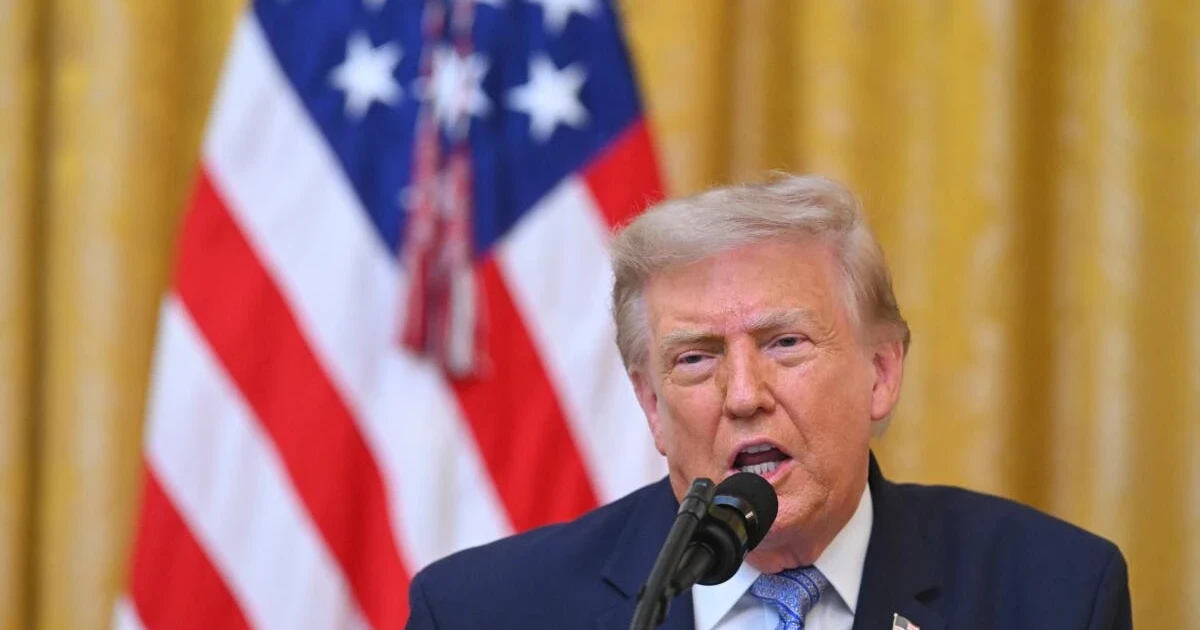
Donald Trump used a rare Thursday primetime speech to revive baseless claims that U.S. elections face catastrophic weaknesses, including attacks on voting machines, noncitizen voting and foreign interference. He also said he was releasing or declassifying documents he said would prove the problems, but the material posted by the White House was heavily redacted and did not back up his claims.
The address, which ran 27 minutes in at least one local TV report, was notable because major television networks did not all air it live. CNN had said Trump was expected to use the speech to address foreign efforts to influence U.S. elections, and he returned again to a disputed claim that the Chinese government tried to undermine him in 2019.
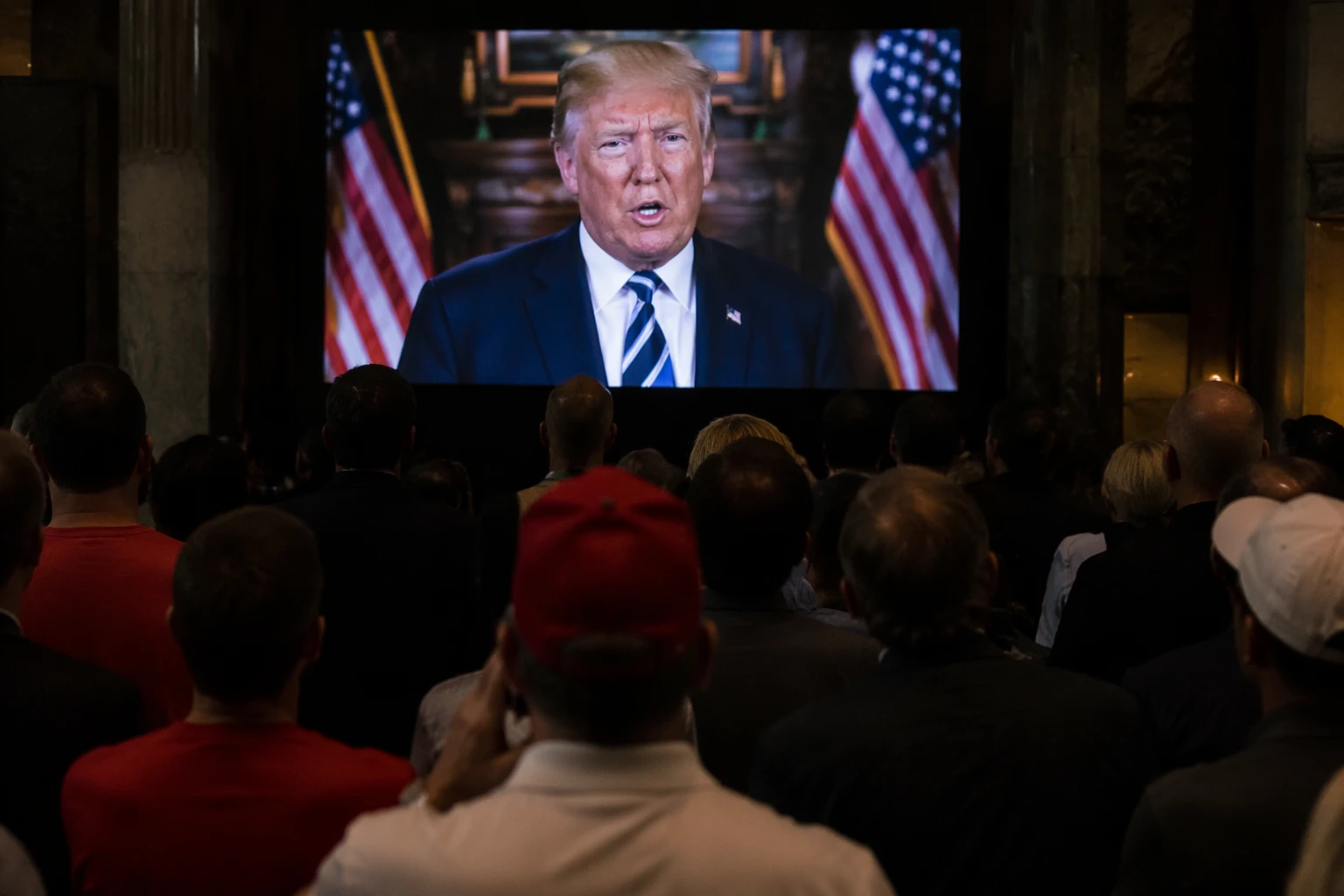
Election specialists said the remarks largely recycled arguments Trump has made since 2020 without evidence. David Becker, a CBS News election law contributor, said almost all of Trump’s claims had already been known and publicly reported during 2020, and he said Americans should trust the country’s election infrastructure. He also said Trump did not provide evidence that any votes were manipulated or that the election outcomes would have changed.
Trump’s speech fits a long pattern of false claims that he won the 2020 election, a narrative he has repeated for years despite the absence of evidence. NPR noted that he has long contended, without evidence, that he won that race. The new release of documents did not change that record, and The New York Times said the posted material, despite being presented as support for Trump’s claims, did not substantiate them.

The speech also had an overt policy purpose. Reporting tied it to Trump’s push for more restrictive voting laws ahead of the midterms, including his call for Congress to pass the SAVE America Act, a voter ID and election regulation proposal. CBS News has described election officials as deeply concerned about efforts to nationalize elections, a push that state officials say could weaken the decentralized system that currently governs U.S. voting.
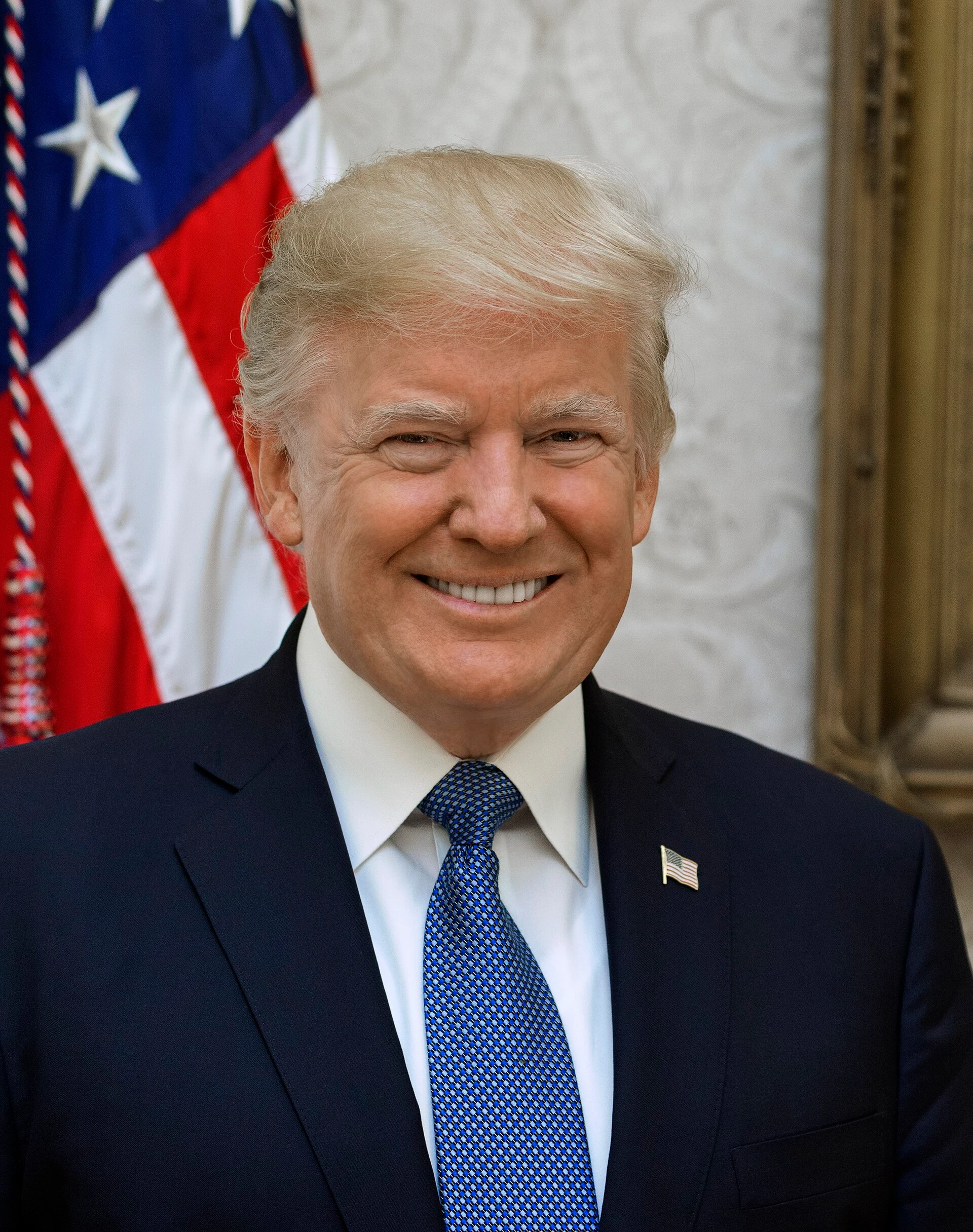
For election workers, administrators and voters, the impact goes beyond a single speech. Repeated false allegations can erode confidence in local election systems, put more pressure on county and state officials, and make it harder to conduct future contests with public trust intact.
Sources
- [1]cbsnews.com
- [2]nytimes.com
- [3]cnn.com
- [4]npr.org
- [5]youtube.com