Politics
Trump renews demand for US control of Greenland at NATO summit
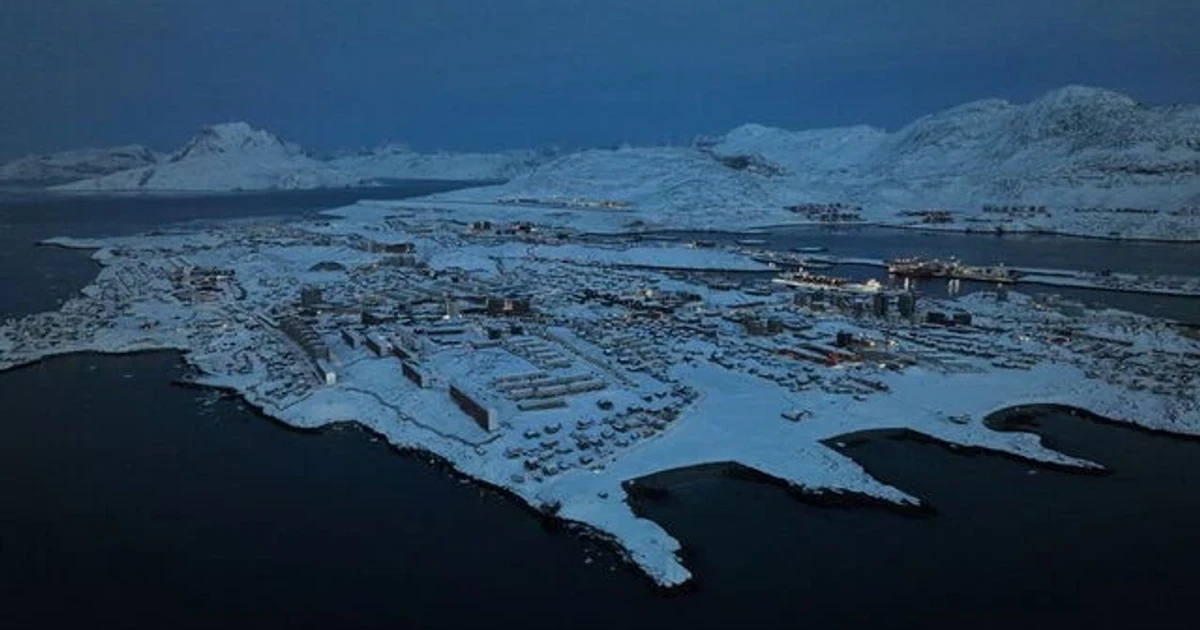
Donald Trump revived his demand for U.S. control of Greenland on Tuesday at the NATO summit in Ankara, breaking into a gathering meant to project unity on defense spending and Ukraine. Speaking while meeting Turkish President Recep Tayyip Erdogan, Trump again put Washington at odds with Denmark over a semi-autonomous territory at a strategically important point in the Arctic.
Danish Prime Minister Mette Frederiksen pushed back from Ankara, saying allies should respect the sovereignty of the Danish kingdom and accept that Greenland is not for sale. Greenland’s foreign minister, Mute Egede, said the territory’s future should be decided by its people, underscoring that the dispute is being framed in Copenhagen and Nuuk as a question of self-determination, not territorial bargaining.
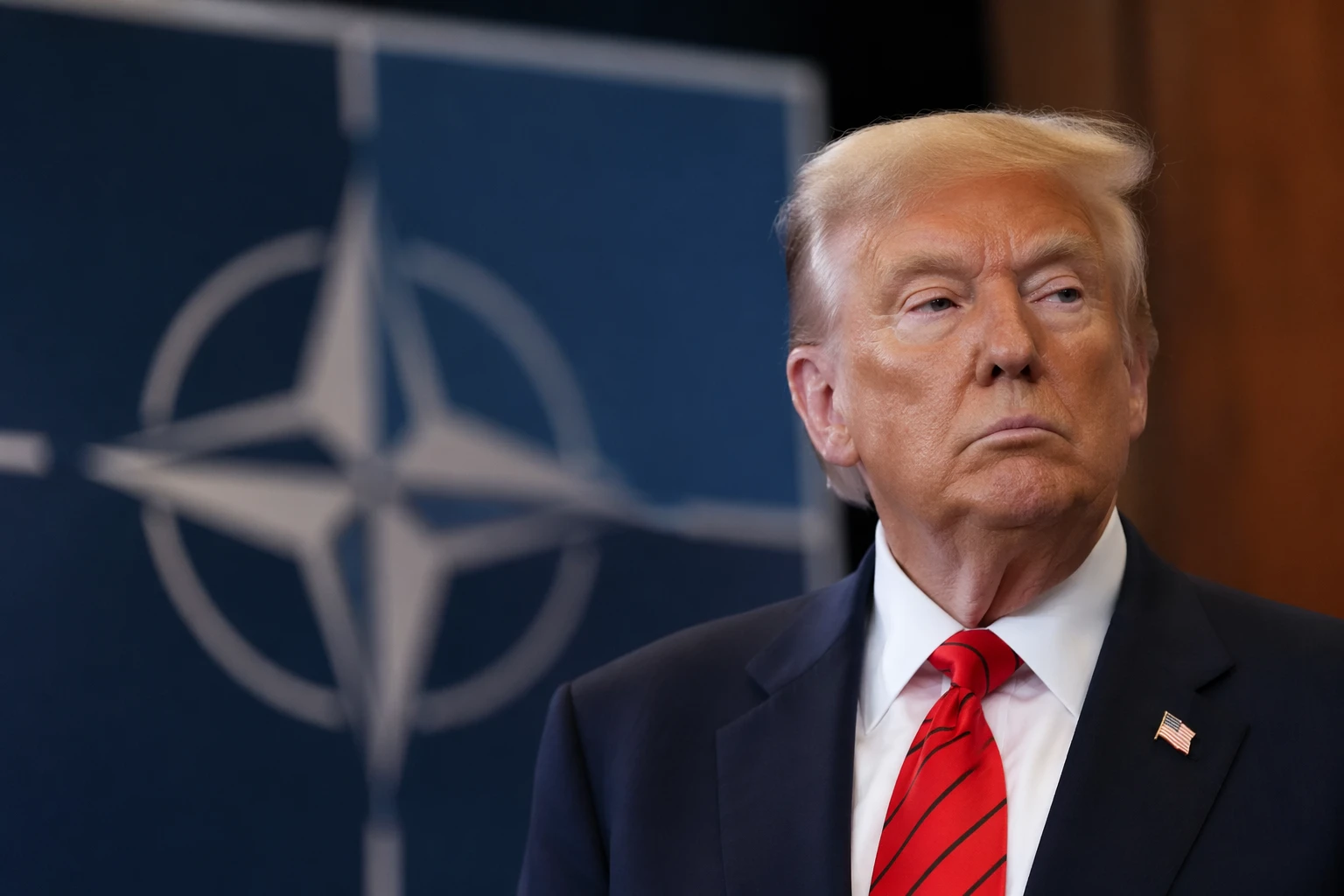
Trump has long treated Greenland as a strategic asset because of its location, its proximity to Arctic shipping routes and its military value as Russia and China increase their presence in the north. He also linked the issue to broader friction with Europe, including the possibility of reducing U.S. troop deployments on the continent and his view that Denmark does not invest enough in Greenland. The result was to turn a summit focused on alliance discipline into a public reminder that Trump still sees territory, force posture and sovereignty as parts of the same strategic calculus.
The NATO meeting in Ankara runs from July 7 to July 8 at Türkiye’s Beştepe Presidential Compound. NATO says the agenda centers on defense investment, support for Ukraine, deterrence and allied capabilities. Türkiye is hosting the alliance summit for only the second time, after Istanbul in 2004. NATO also says European Allies and Canada increased core defense investment by $139 billion in 2025, and some allies are expected to reach a 5 percent target in 2026.

The Greenland dispute lands in a setting where NATO is trying to present a united front on Russia, Iran and the war in Ukraine. That unity rests on Article 5, the alliance’s collective-defense pledge that treats an armed attack on one member as an attack on all. A fight over the territory of a NATO member is not a military threat in itself, but it is exactly the kind of issue that can expose political fault lines when an American president chooses to press a hard line in public.
Sources
- [1]usnews.com
- [2]nato.int
- [3]reuters.com
- [4]cnbc.com
- [5]stripes.com