Politics
Trump renews pressure on Fed to cut interest rates
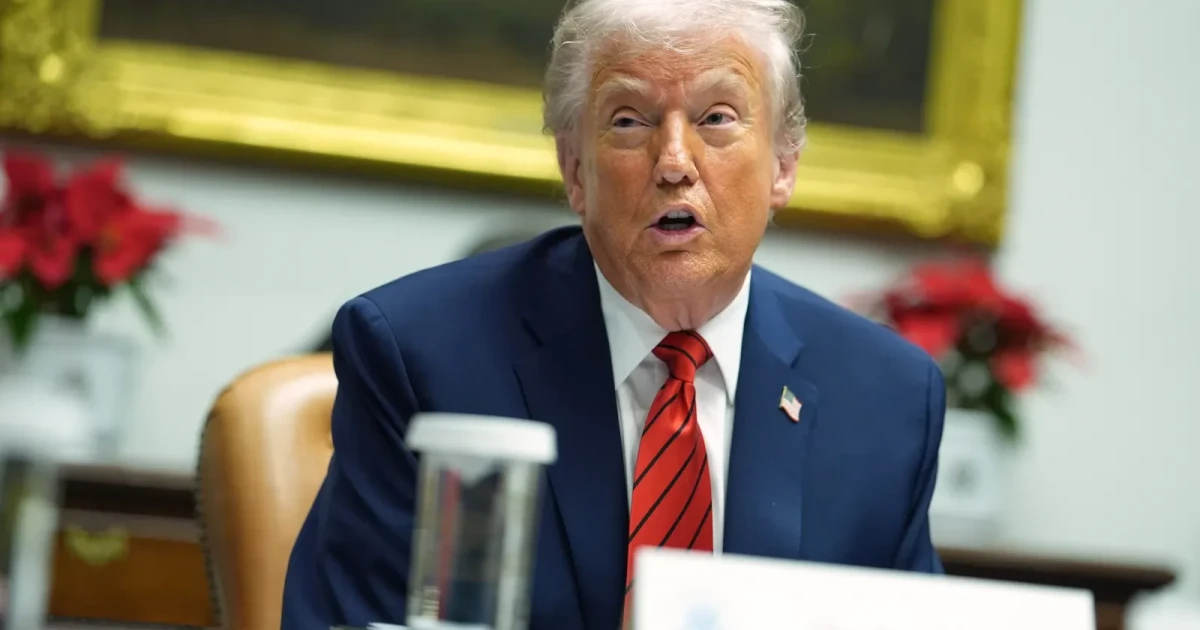
President Donald Trump renewed pressure on the Federal Reserve to cut interest rates on July 27, pushing monetary policy back to the center of his economic message and sharpening an old fight over how much political influence can shape the central bank. The move fit Trump’s long-running argument that borrowing costs should fall faster to support growth, investment and consumer spending.
The stakes reach far beyond Washington. Fed decisions move mortgage rates, auto loans, credit-card rates, corporate borrowing costs and the dollar, which is why a presidential demand for easier money can shift market expectations even when the central bank is determined to appear independent. For households, a lower-rate environment would most directly affect new mortgages and other variable-rate borrowing, while credit-card relief usually comes more slowly and unevenly. Businesses financing equipment, inventories or expansion would also find credit cheaper if the Fed begins cutting.
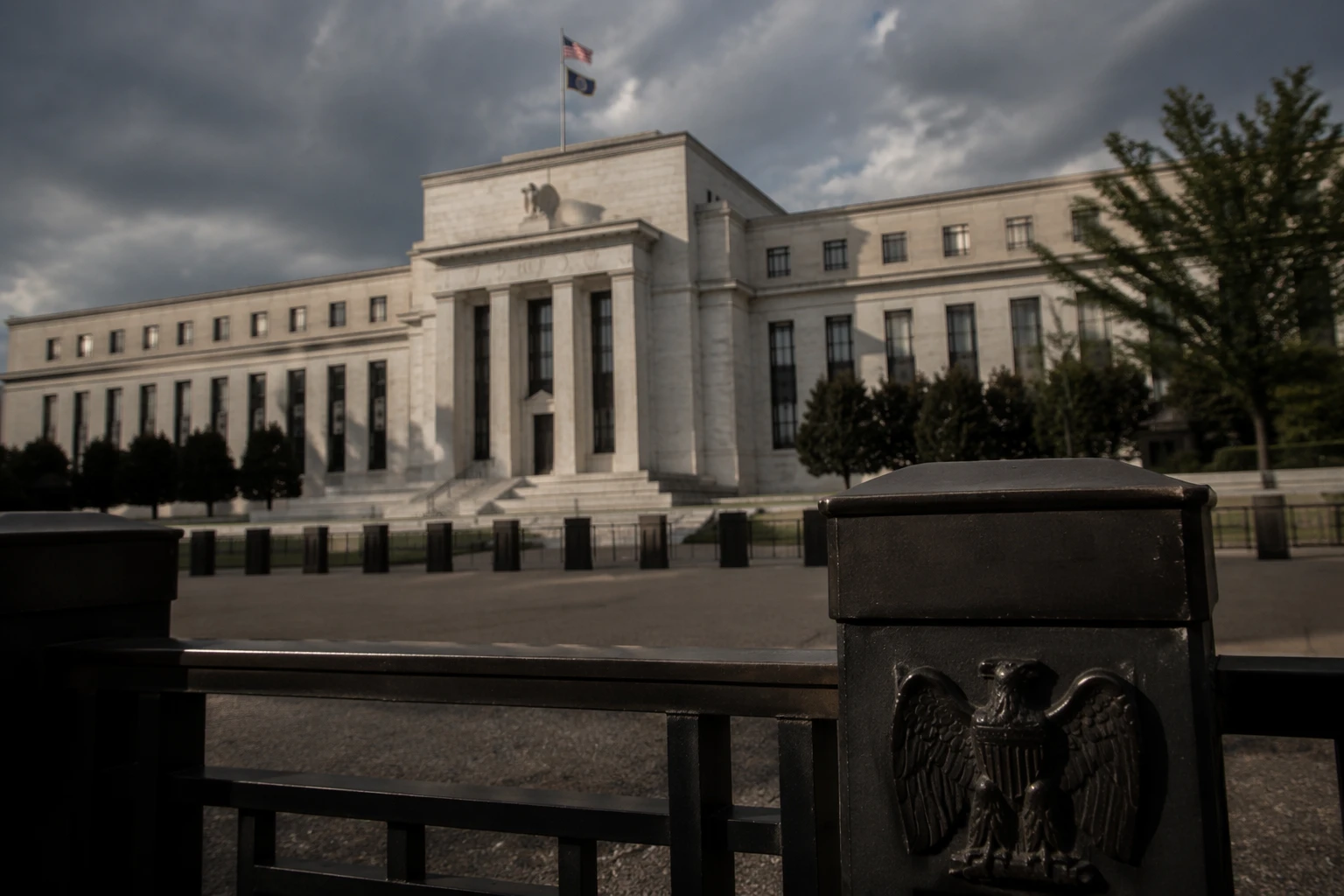
Trump has repeatedly criticized the Fed for keeping policy too tight and has often treated lower rates as a cure for housing affordability and the cost of financing business growth. That message lands in a political climate still shaped by grocery prices, fuel costs and monthly loan payments, which remain the figures many voters use to judge the White House rather than broad economic indicators.
The Fed, meanwhile, has been weighing economic resilience against inflation risks, including the possibility that tariff-related price pressures could return. That balance is the core of the current tension: presidents want growth, markets want predictability and the Fed wants to avoid being seen as reacting to political pressure instead of economic data.
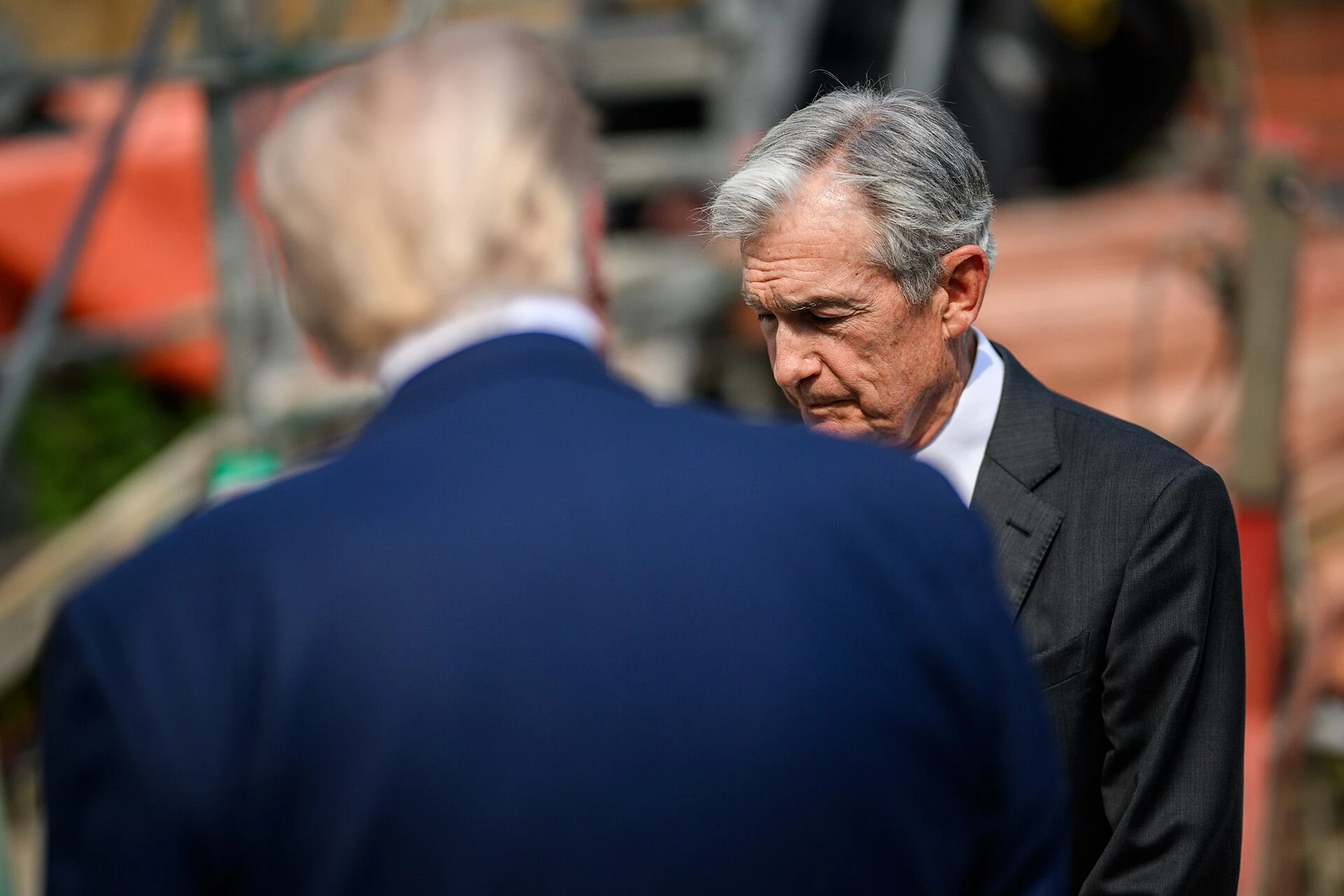
A rate cut now would offer immediate relief to some borrowers and could help firms that have delayed hiring or investment because financing has been expensive. But easier money would also make it harder for the Fed to keep inflation moving lower if demand remains strong, especially if prices for everyday goods are already a political flashpoint. Trump’s renewed pressure therefore carried two messages at once: relief for borrowers who want cheaper credit, and a reminder that the White House intends to keep pressing for looser monetary policy as it tries to shape the economic narrative.
Sources
- [1]reuters.com