Entertainment
Trump Responds to Artist Withdrawals With Plans for Own D.C. Event
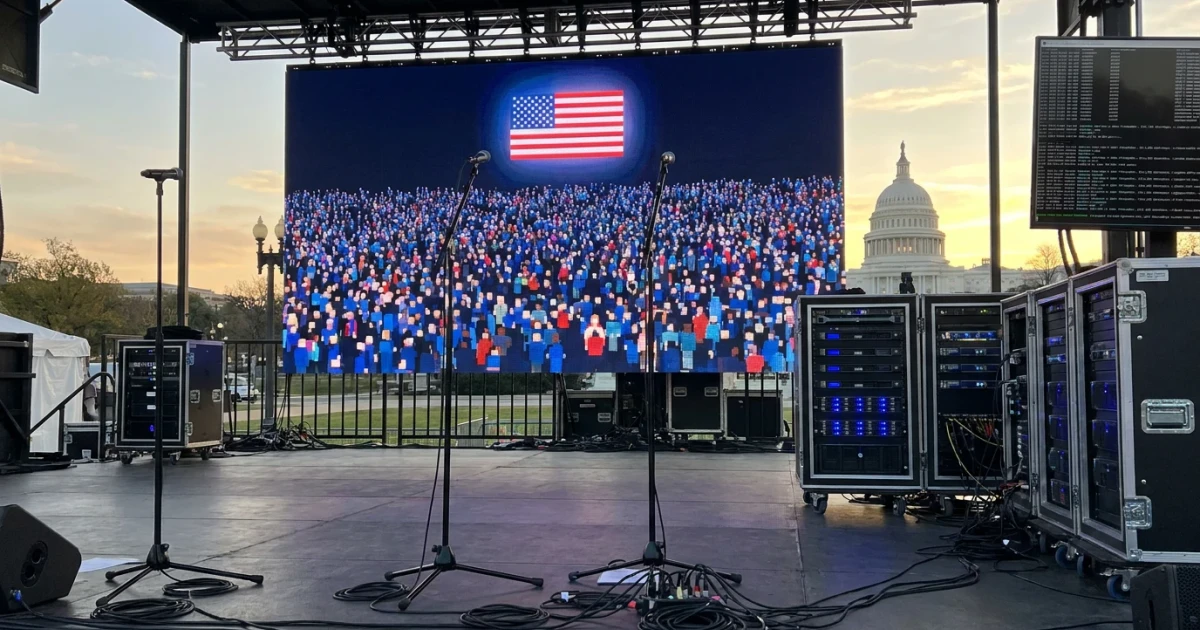
Donald Trump has sharply criticized musicians who have dropped out of scheduled Washington, D.C. performances, labeling them as "third rate artists" and suggesting he may organize an alternative event featuring himself as the star. The former president asserted that his audience would rival or even surpass that of legendary entertainer Elvis Presley, reigniting debate over the draw of political and celebrity events in the nation's capital.
Artists Withdraw From D.C. Performances
Multiple artists recently announced their withdrawal from participating in upcoming performances in Washington, D.C., prompting widespread media attention and public speculation regarding the reasons. While Variety reported on the trend, details on the specific performers and their motivations remain limited in the initial coverage. This pattern of artist cancellations at high-profile political or national events is not unprecedented, as musicians have historically cited personal, political, or scheduling conflicts when opting out of such appearances.
Trump's Public Critique and Response
Reacting to the string of artist departures, Trump issued a public statement deriding the musicians as "third rate artists." He further claimed that the loss of these acts would not impact the significance or success of D.C. events. Instead, Trump suggested he might produce a different event—one where he would serve as the main attraction. According to Variety, Trump boasted that his audience would be "much larger than Elvis," referencing the rock and roll icon whose concerts were legendary for their massive crowds.
Claims About Audience Size and Popularity
Trump's assertion draws attention to the scale of audiences for both political and entertainment events. Quarterly music concert attendance in the U.S. regularly reaches into the millions, pointing to the enduring popularity of live performances. Elvis Presley remains one of the most successful artists in U.S. history, with certified sales that have earned him a place among the RIAA's top artists and a high ranking on the Billboard 200 all-time list. Trump's comparison to Elvis underscores both the ambition and the spectacle often associated with high-profile political events and personalities.
Context: D.C. Event Attendance and Presidential Appearances
Washington, D.C. has long been the backdrop for major public gatherings and performances, including presidential inaugurations and national celebrations. Attendance at these events has varied widely over the years, with some drawing hundreds of thousands or even millions. For example, data from Statista shows attendance at U.S. presidential inaugurations since 1961 fluctuating dramatically, often depending on the political climate and featured performers. Official records from the National Mall and Memorial Parks also catalog historic audience sizes for notable events and concerts held in the nation's capital.
Public Reactions and Broader Implications
Trump's comments and the wider discussion about event participation reflect ongoing tensions between politics and entertainment in the U.S. While some view the withdrawal of artists as a form of protest or personal expression, others interpret Trump's response as an effort to maintain relevance and demonstrate his continued popularity. The debate also highlights the importance of audience metrics and celebrity status in shaping public perception.
Whether Trump will follow through on his suggestion to produce an event starring himself, and whether it would indeed rival the audience sizes of past music legends, remains to be seen. What is clear is that the intersection of politics, celebrity, and live performance continues to generate headlines and spark conversation across the country.