Politics
Trump reveals 3,642 trades, fueling conflict-of-interest concerns
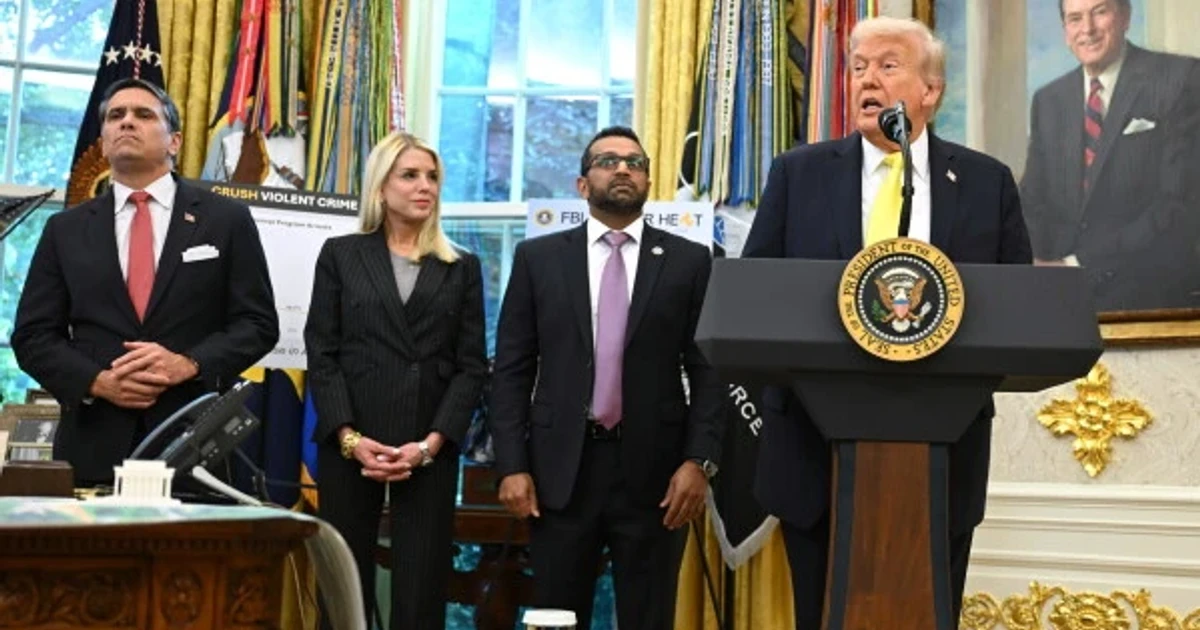
Donald J. Trump disclosed 3,642 securities transactions in his first-quarter 2026 ethics filing, a volume that puts a sharp spotlight on how his money is managed while he sits in the Oval Office. The public report puts the cumulative value of those trades between $220 million and $750 million, with entries showing purchases and sales in individual stocks, ETFs, municipal bonds and money-market-like holdings.
The filings matter less as a routine disclosure than as a governance question: Trump says the assets are held in a trust controlled by his children, and some transactions were executed by “your broker as agent.” That is not the same as a true blind trust, where the officeholder gives up knowledge and control over the assets. In this case, the disclosures do not show exact prices, profits or which accounts held the securities, and they do not reveal whether Trump, his family or outside advisers directed the trades.
The report was signed on May 8, 2026 and received by the U.S. Office of Government Ethics on May 12, 2026. OGE guidance requires covered officials to file within 30 days of notification of a transaction, and no later than 45 days after it occurs. A reviewer note on the White House-hosted form said the filer paid a late fee.
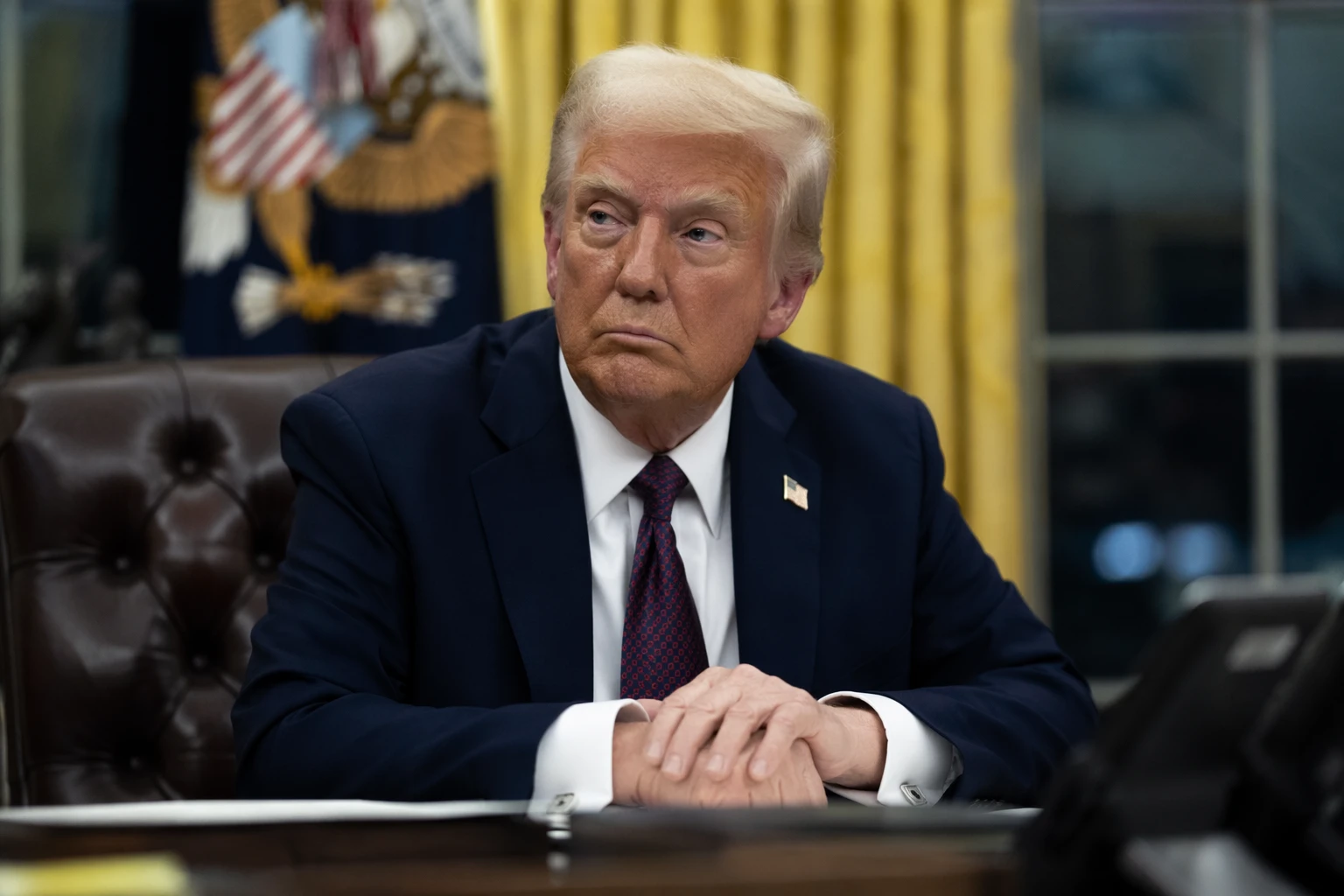
The scale of the trading has revived longstanding conflict-of-interest concerns because the portfolio included heavy activity in major public companies and government-sensitive sectors. The disclosures listed names such as Nvidia, Microsoft, Broadcom, Oracle, Adobe, Amazon, Meta and Goldman Sachs. That overlap fuels the core ethical worry: even if no improper act can be proved from the form alone, a president who is actively trading in sectors affected by federal policy can look as if he is benefiting from decisions made by his own administration.
That is why the distinction between outsourcing trades to brokers and placing assets in a blind trust matters. Outsourcing execution can reduce day-to-day involvement, but it does not sever the owner from the underlying holdings or the knowledge of what remains in the account. A blind trust, by contrast, is meant to insulate a president from even the appearance of self-dealing. Modern precedent has pointed in that direction for decades, from Lyndon B. Johnson’s blind-trust-style arrangement in 1963 to Jimmy Carter’s use of a blind trust before taking office.
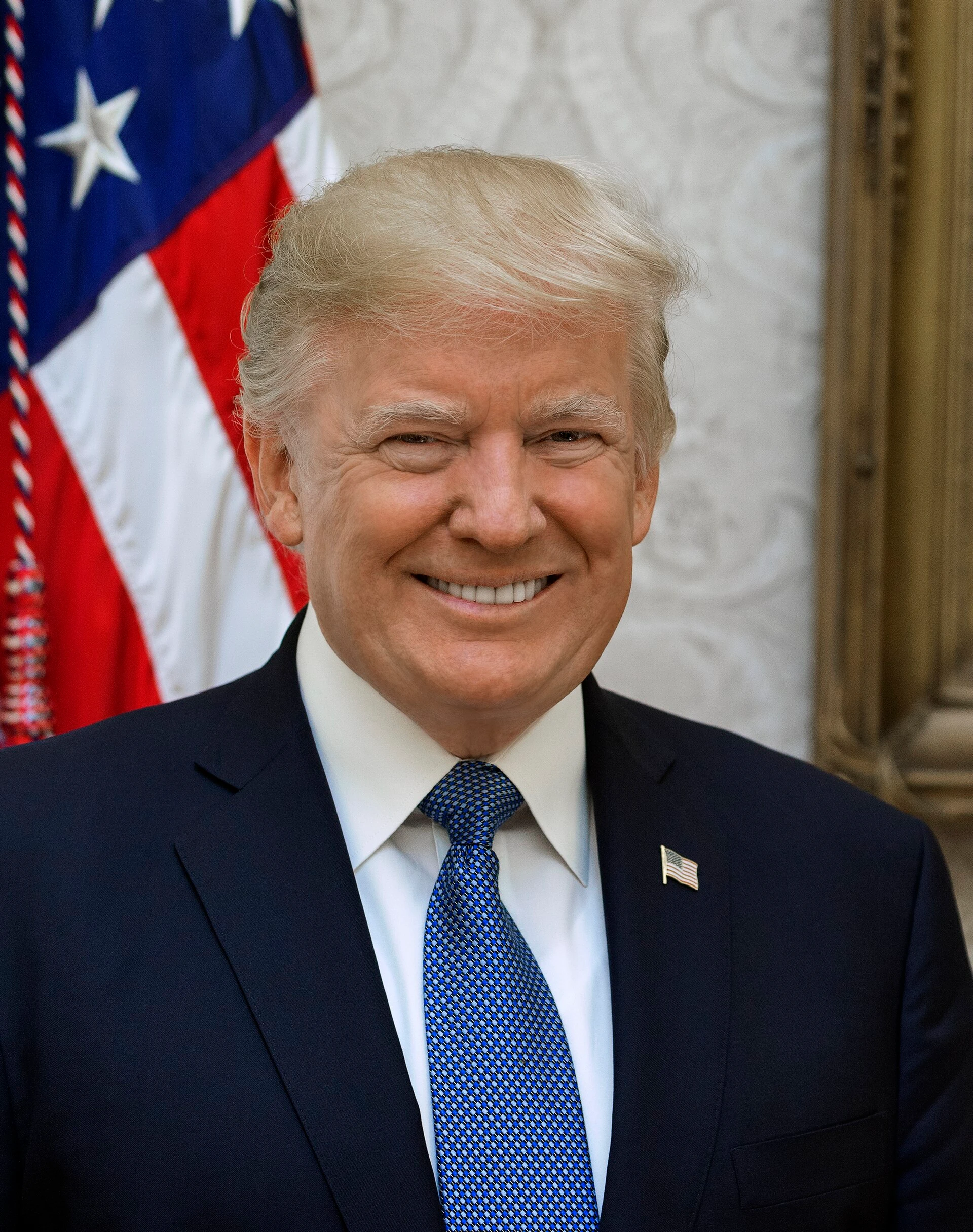
Democrats and ethics watchdogs have said the disclosures reinforce suspicion of possible self-dealing, while some analysts say the filings are too opaque to prove insider trading. The Trump Organization and White House have maintained that the assets are managed by Trump’s children, and Eric Trump has said the family’s assets are in a blind trust invested in broad-market indexes. But the filing itself lists thousands of individual trades, making Trump an anomaly among modern presidents and leaving the conflict question squarely unresolved.
Sources
- [1]nytimes.com
- [2]extapps2.oge.gov
- [3]whitehouse.gov
- [4]www2.oge.gov
- [5]cbsnews.com
- [6]nbcnews.com
- [7]notus.org
- [8]pbs.org
- [9]brennancenter.org