Business
Trump says Apple will help Intel make chips in the US
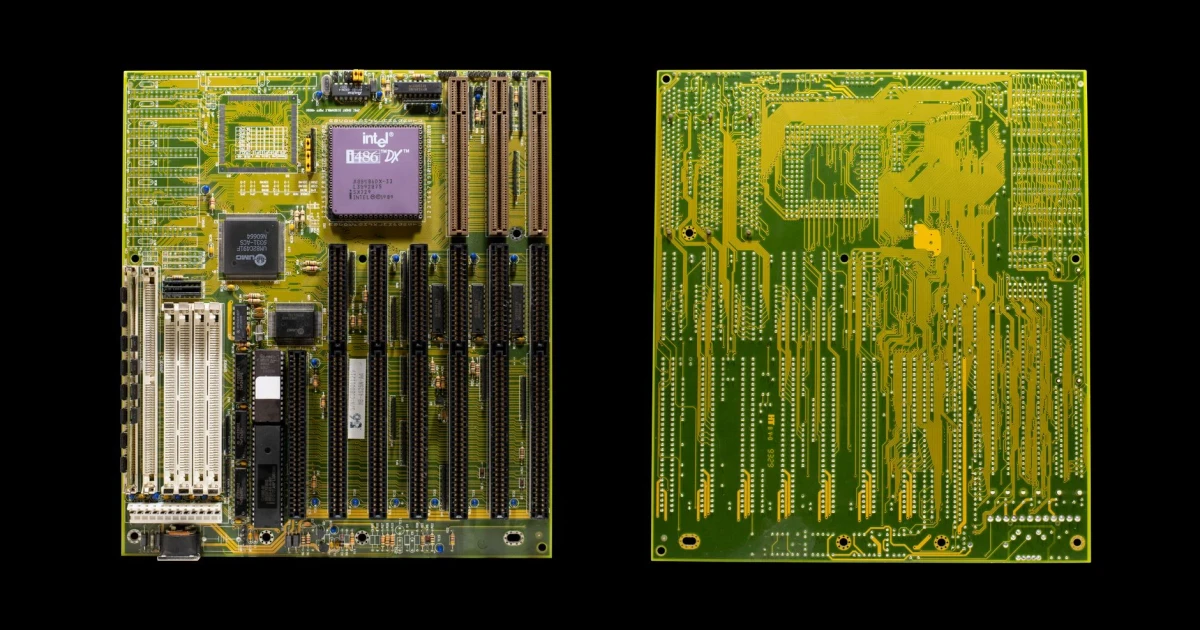
President Donald Trump said Apple had agreed to work with Intel to design and manufacture chips in the United States, a claim that sent Intel shares sharply higher and put a fresh spotlight on Washington’s bet that industrial policy can rebuild domestic semiconductor capacity. Trump also said the U.S. government’s roughly 10% Intel stake was now worth $60 billion, turning a 2025 CHIPS Act equity conversion into a political and market marker for Intel’s turnaround.
The announcement fits a broader push to anchor more chip production on U.S. soil and reduce reliance on overseas foundries, especially Taiwan Semiconductor Manufacturing Co., which makes the bulk of Apple’s advanced chips. If Intel can win Apple business, it would add a marquee customer to a foundry operation that has been under pressure for years and has struggled to prove it can compete at the leading edge while it tries to rebuild scale, credibility and cash flow.
Intel’s stock jumped about 9% to 11% in premarket and early trading, with one reading putting it at $133.82 shortly after the opening bell, a gain of 10.5%. Investors have already pushed Intel sharply higher in 2026 on expectations that CEO Lip-Bu Tan’s turnaround plan can revive the company’s manufacturing base, and Trump’s post on Truth Social added another burst of confidence.
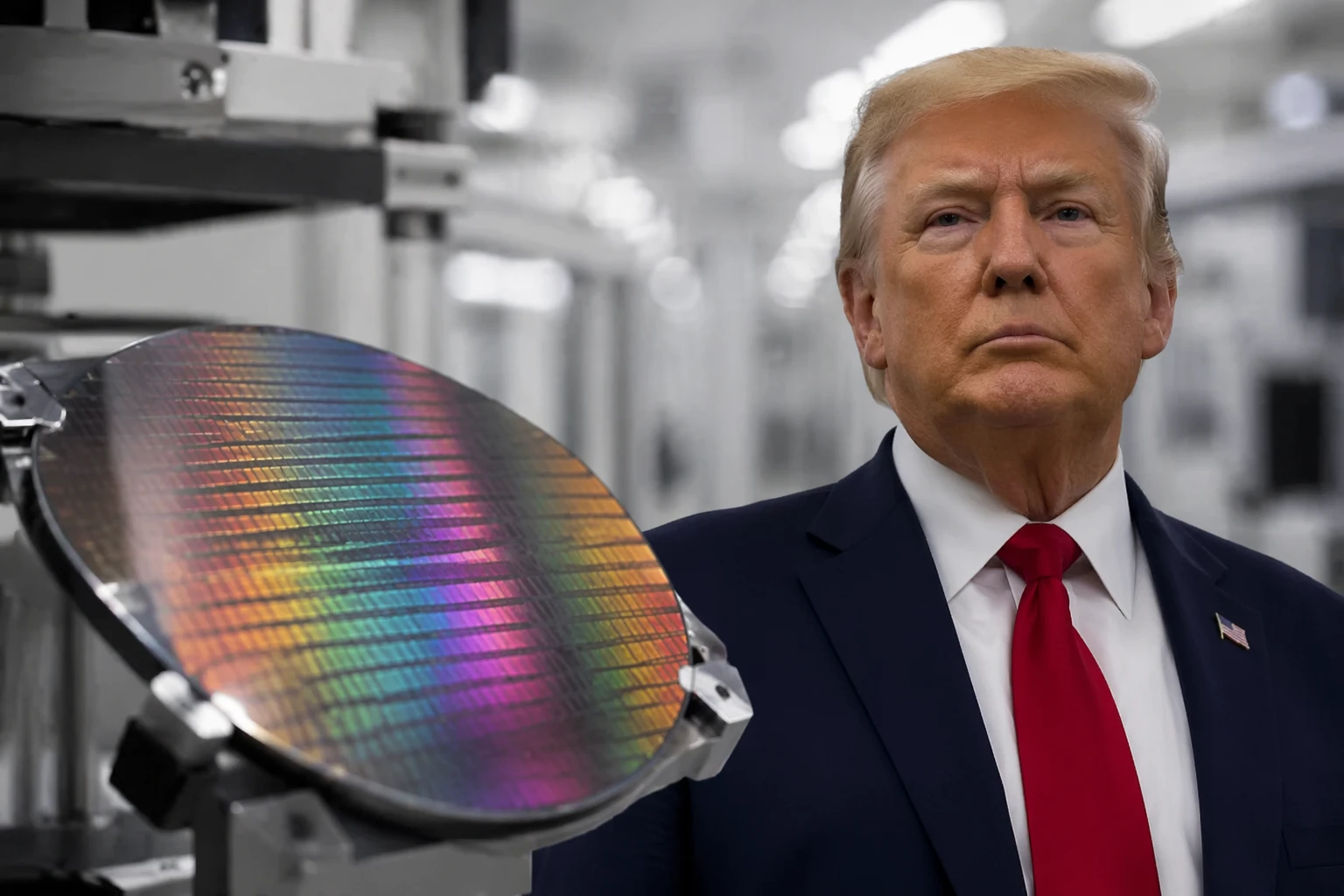
The logic behind a possible Apple-Intel arrangement is straightforward. Apple has relied heavily on TSMC for advanced chip production and has been seeking additional capacity and diversification as AI demand from customers such as Nvidia and AMD strains supply. Intel, meanwhile, has been trying to persuade outside customers to use its factories, and it recently said its 18A and 18A-P process had entered early or risk production, a milestone analysts had linked to the possibility of winning Apple work.
But the execution risks are still large. The scope of any deal was not clear, including which chips Intel would make, which Apple devices would use them and when production would begin. Apple previously used Intel processors in Macs before shifting to its own Apple silicon, which makes any return to Intel a significant strategic reversal if it moves beyond preliminary discussions.
The government stake and the Apple pitch together amount to a test of whether the United States can turn subsidies, equity and customer commitments into a durable manufacturing strategy. If the work stays on schedule and Intel can deliver high-volume advanced chips, the arrangement could strengthen U.S. supply-chain security and chip competitiveness. If not, it will look more like a politically timed boost to a company still proving it can manufacture at the scale and quality the market demands.
Sources
- [1]cbsnews.com
- [2]msn.com
- [3]cnbc.com
- [4]money.usnews.com
- [5]malaymail.com
- [6]newsroom.intel.com
- [7]macrumors.com