World
Trump says he has not decided whether to intensify Iran strikes
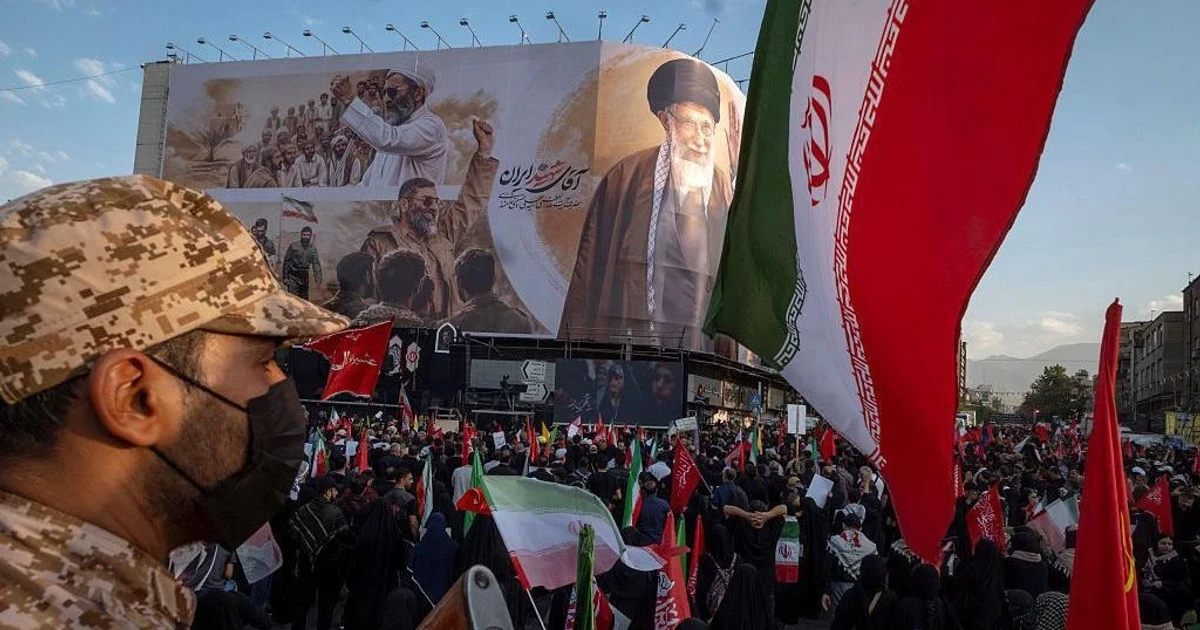
U.S. Central Command said it opened a new wave of strikes against Iran at 6 a.m. ET on Wednesday, hitting coastal defense systems and cruise missile storage and launch sites on Greater Tunb Island and finishing the operation in about 90 minutes. The attack lands as President Donald Trump weighs whether to intensify the campaign, a choice that could pull Washington closer to a wider war with Iran and deepen the risks for U.S. troops, oil markets and Congress.
The fresh strikes followed earlier attacks in the same week that Reuters said lasted seven hours and hit dozens of military targets near the Strait of Hormuz and along Iranian coastal areas. U.S. officials said the campaign was meant to keep the waterway open after Iran attacked seven commercial ships over the previous week, leaving nearly a dozen crew members killed, missing or injured. Before the war, the Strait of Hormuz carried about one-fifth of global oil and gas shipments, making every new round of fighting a direct threat to fuel prices and supply chains far beyond the Gulf.
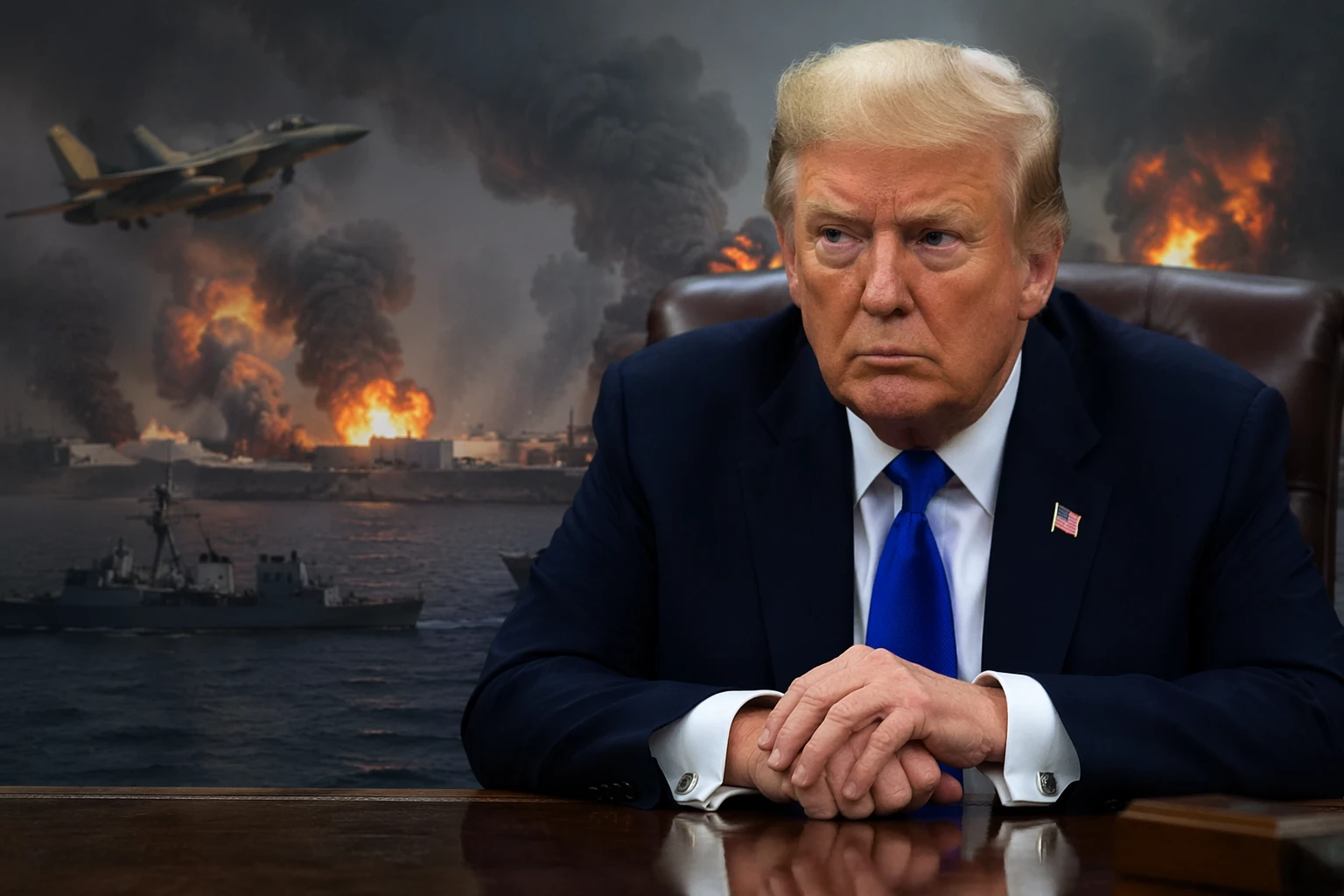
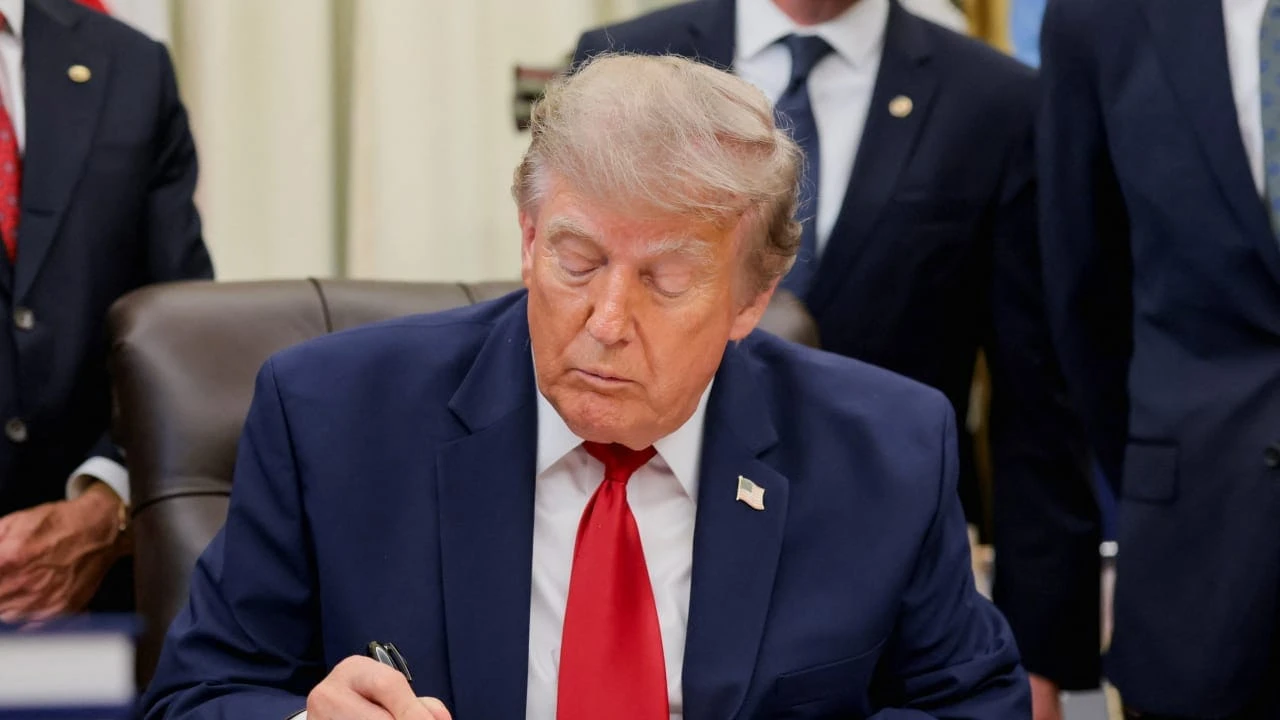
Trump said on July 15 that Iran wants to meet and make a deal, but he warned Tehran it "better behave" and said military strikes could intensify if Iran does not cooperate in peace talks. He has repeatedly said the United States would either reach a deal with Iran or "finish the job," and on July 10 declared the ceasefire "OVER" even as diplomatic talks were set to continue. His public messages have left no clear end point for the campaign, even as U.S. air and naval operations keep expanding.
Iran’s Islamic Revolutionary Guard Corps answered by saying it struck U.S. military targets in Bahrain, Kuwait and Jordan. The IRGC also threatened to shut off more regional energy exports, adding pressure on Gulf states already facing the spillover from fighting in and around the Strait of Hormuz. Iranian parliamentary speaker Mohammad Bagher Ghalibaf said Iran had never welcomed war but must be ready for battle while still using diplomacy to defend national interests.

Analysts cited by CNBC said there is no clear path to a settlement and warned the conflict could become a drawn-out war, though some still see full-scale war as less likely than continued escalation. In Washington, the fight has also turned into a domestic political test, with Senate Democrats led by Chuck Schumer pressing war-powers measures and some Republicans worried about the economic fallout, especially higher gas prices.
Sources
- [1]bbc.co.uk
- [2]defensenews.com
- [3]cnbc.com
- [4]politico.com
- [5]usnews.com
- [6]cfr.org
- [7]reuters.com