Politics
Trump says he has preferred replacement for Lindsey Graham seat
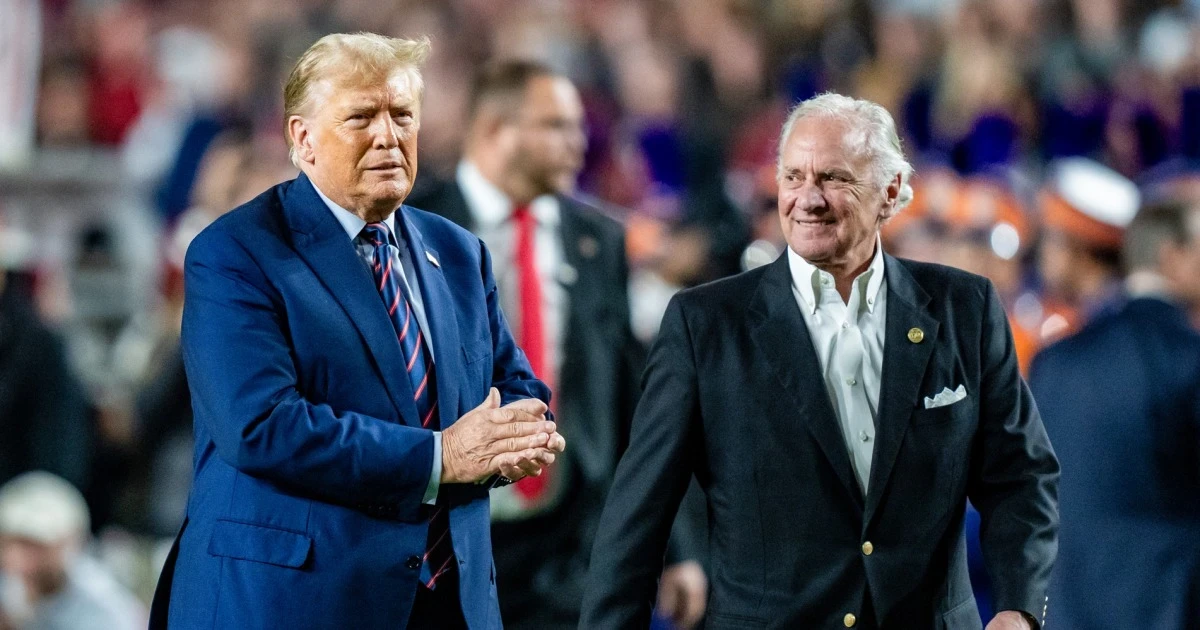
President Donald Trump said Sunday that he had a preferred replacement in mind for Lindsey Graham’s Senate seat, but he would not name the person yet out of respect for the South Carolina Republican. The comment came hours after Graham died Saturday evening at 71 after what his office called a brief and sudden illness.
Graham’s death abruptly opened a seat that had been headed for a competitive 2026 cycle. The four-term Republican, first elected to the Senate in 2002, had just won the South Carolina GOP primary on June 9, defeating a five-candidate field and avoiding a runoff as he sought a fifth term. He had also just returned from a trip to Ukraine, a reminder that Graham remained active in the foreign-policy fights that helped define his career and his standing inside the party.
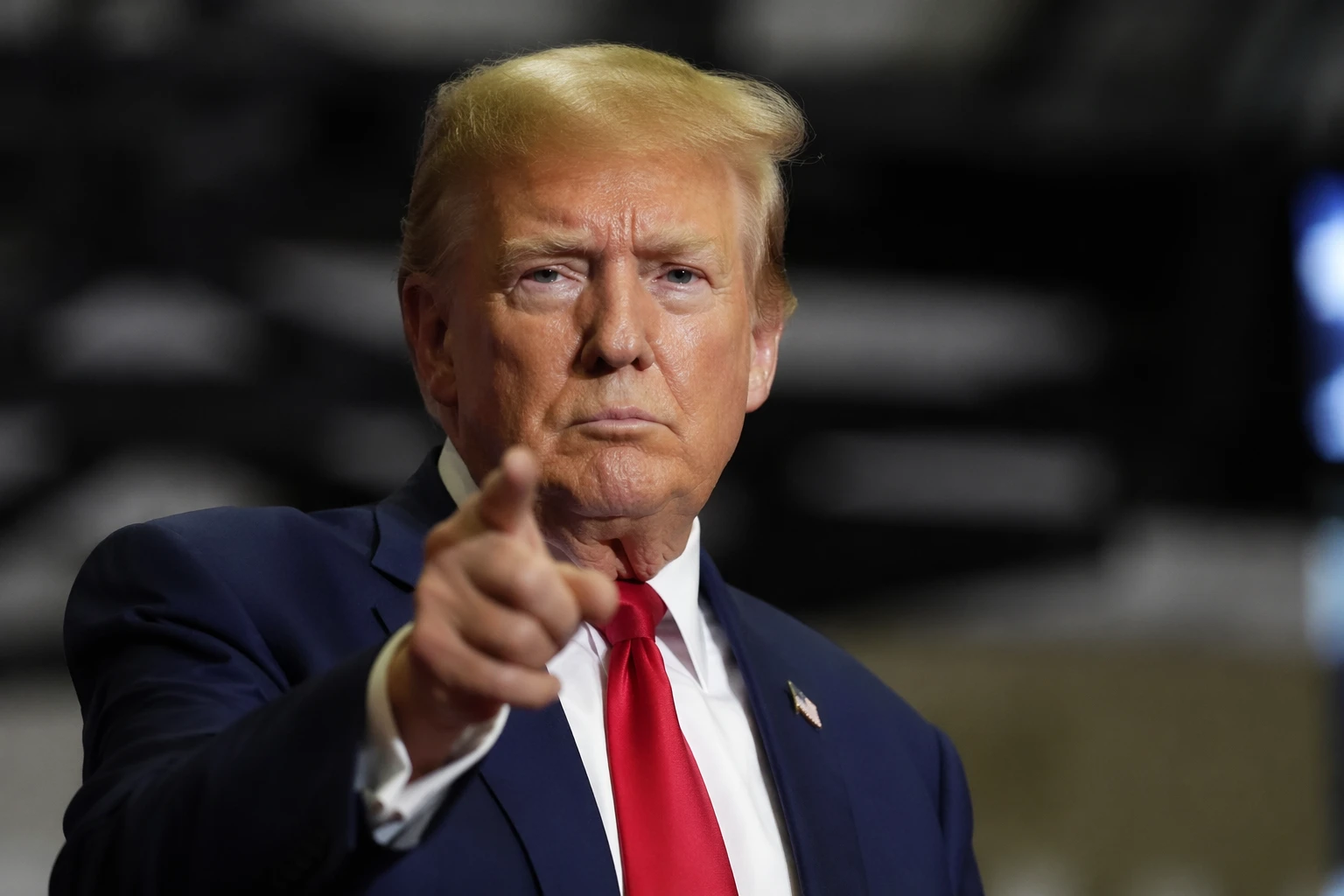
South Carolina law now sets up two tracks at once. Gov. Henry McMaster is expected to appoint a temporary senator to serve through Jan. 3, 2027, when Graham’s current term would have ended, while Republicans must hold a special primary to choose a nominee for the November election. State rules open filing on the second Tuesday after the vacancy occurs and keep it open for one week, then schedule the special primary on the second Tuesday after filing closes. That timetable could place the GOP primary on Aug. 11.
The scramble gives McMaster an immediate role in determining who carries Graham’s seat into the closing months of the term, while Trump’s public claim of a preferred replacement signals how much influence he still wields over South Carolina Republican politics. It also puts the state party in a delicate position: it has to preserve Graham’s lane, a Trump-aligned but traditionally hawkish Republican voice on national security, without handing Democrats an opening in a Senate that is already narrowly divided.
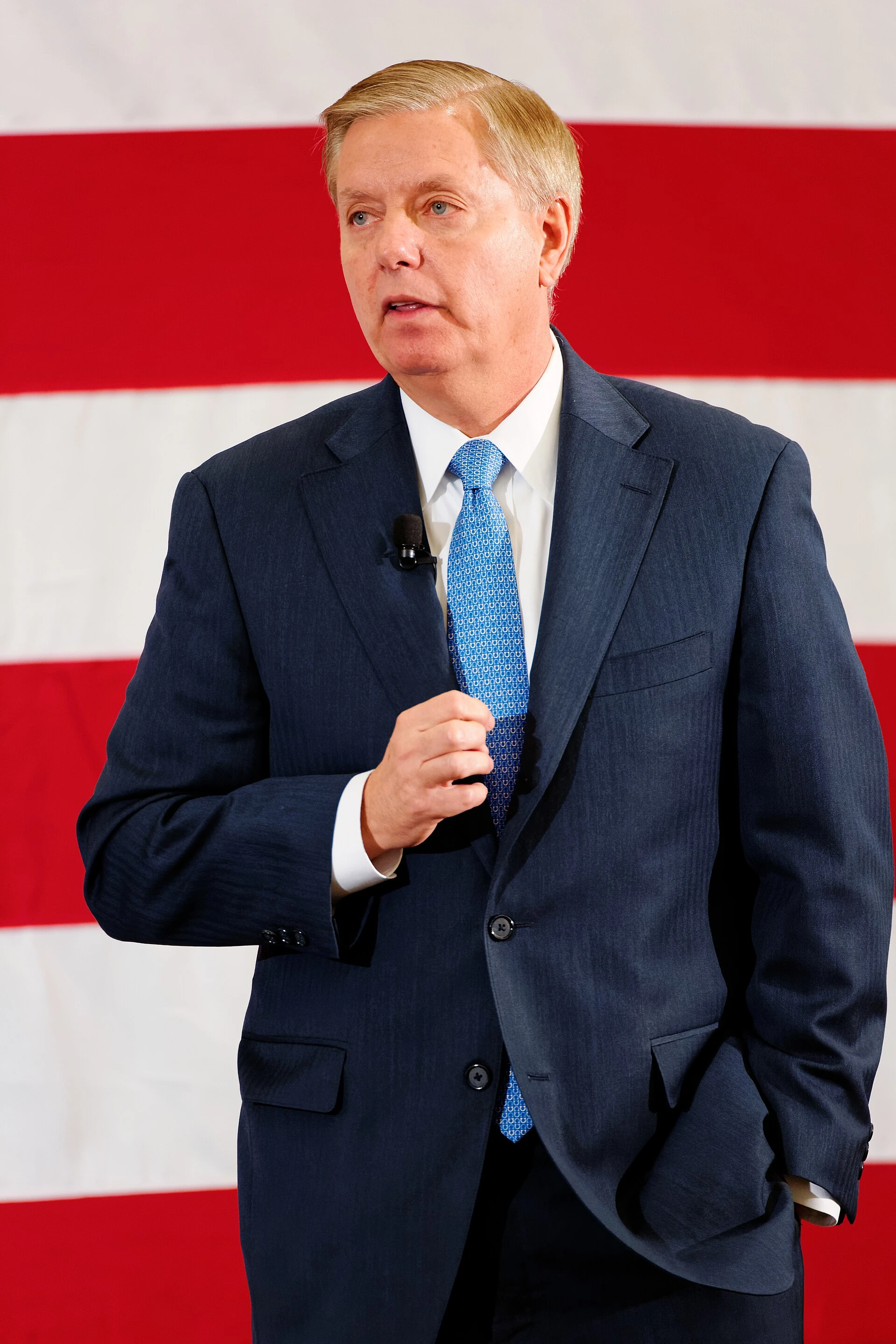
Graham’s absence matters beyond South Carolina because Senate control can turn on a single vote, especially as Republicans try to manage their legislative agenda heading into the midterm elections. His death removes one of the GOP’s most recognizable voices on foreign policy and leaves both the appointment and the special election as early tests of who will shape the party’s future in Washington and at home.
Sources
- [1]nbcnews.com
- [2]politico.com
- [3]counton2.com
- [4]postandcourier.com
- [5]wspa.com
- [6]nytimes.com
- [7]apnews.com
- [8]cnbc.com