Business
Trump says he is not looking to renew USMCA trade pact
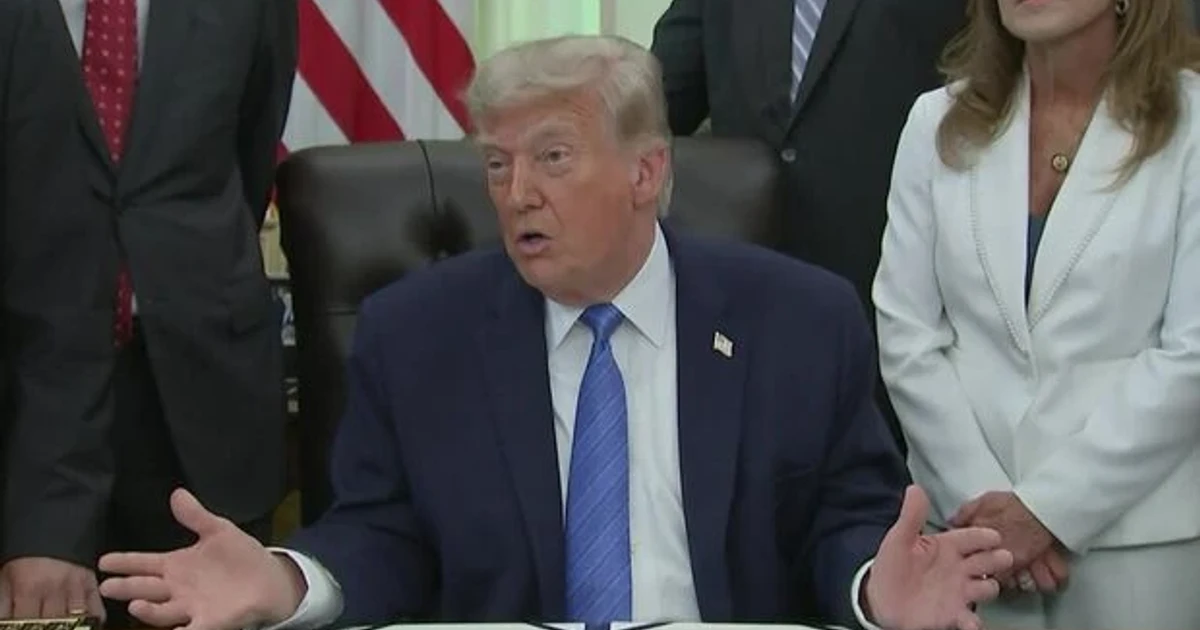
Trump’s declaration that he was “not looking to renew” the USMCA landed just as North America’s biggest trade pact entered its most fragile phase. The agreement, which replaced NAFTA and took effect in 2020, is due for its first mandatory joint review on July 1, 2026, and the decision ahead is stark: extend it for another 16 years, or let it shift to annual reviews.
The immediate impact is not a formal policy change but a surge in uncertainty. USMCA underpins nearly $2 trillion in annual goods and services trade, and the stakes run through autos, agriculture, digital trade, labor standards and dispute resolution. Trump also said he was discussing the matter with Mexican and Canadian leaders, signaling that the leverage is already being applied before any rewrite of the pact begins.
That matters because businesses do not wait for a final treaty text to adjust. Auto makers, farm exporters, energy companies and logistics operators have to plan months ahead for parts shipments, inventory, contracts and capital spending. A review that was supposed to bring clarity could instead become a prolonged bargaining process over the most economically sensitive sectors in the continent’s integrated supply chains.
The diplomatic groundwork was already in motion. U.S. Trade Representative Jamieson Greer and Mexico’s Marcelo Ebrard opened the first round of bilateral review discussions on March 5, 2026, ahead of the joint review. Greer had already briefed the House Ways and Means Committee and the Senate Finance Committee on December 16 and 17, 2025, underscoring how central the July deadline had become in Washington.
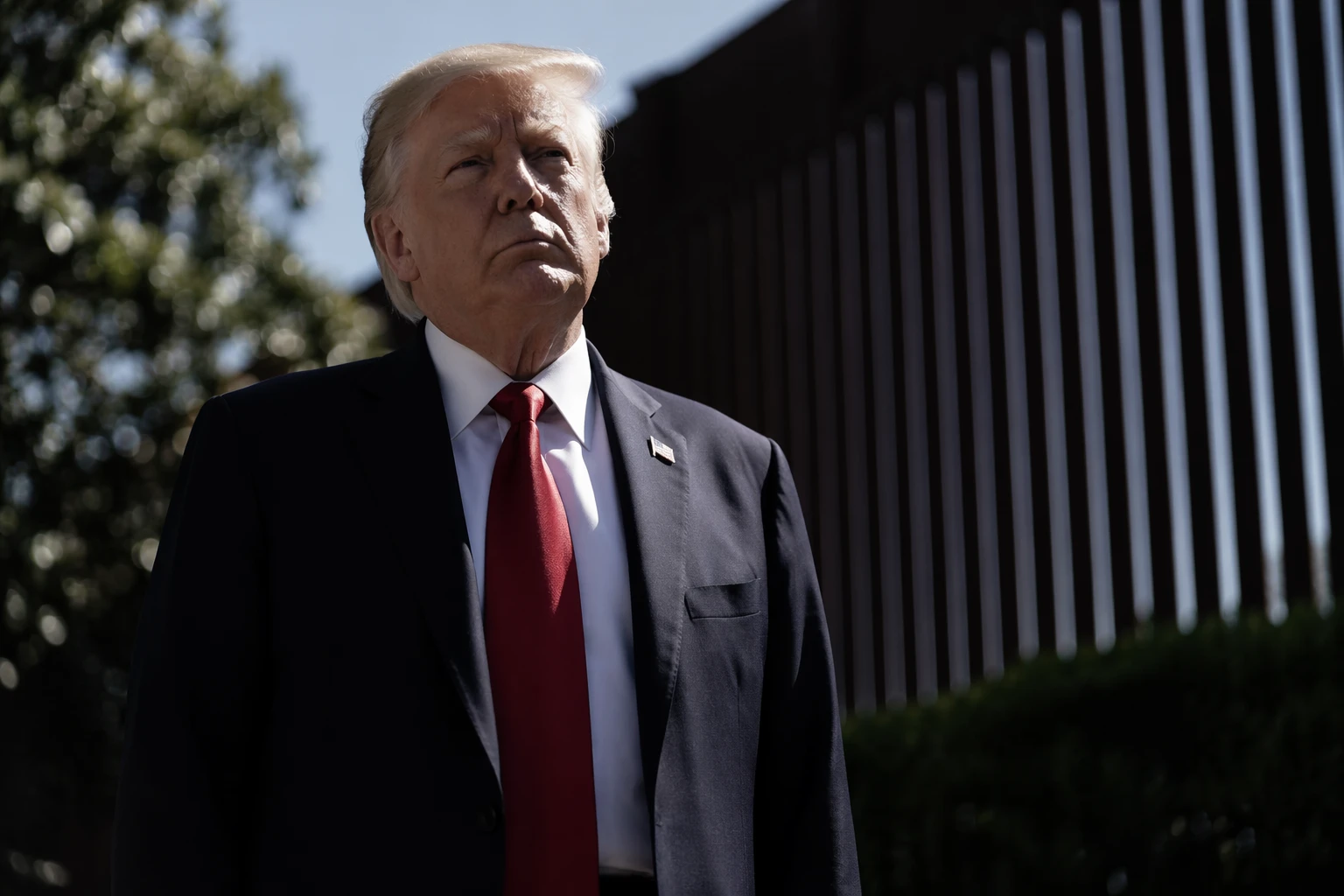
Canada has been pressing for a full 16-year renewal, but the latest comments point to a far less certain path. If the three countries do not agree to extend the pact at the review, annual checks would begin instead, keeping the agreement alive but leaving companies exposed to recurring political pressure. For manufacturers and exporters on both sides of the border, that is its own form of risk.
The practical consequence is that uncertainty itself becomes a negotiating tool. Even without a new tariff or rule change, the prospect of a drawn-out fight over USMCA can influence sourcing, investment and hiring decisions across the United States, Canada and Mexico long before any final decision is made.
Sources
- [1]nytimes.com
- [2]ustr.gov
- [3]congress.gov
- [4]apnews.com
- [5]bloomberg.com