Politics
Trump says Iran ceasefire is over as NATO summit tensions rise
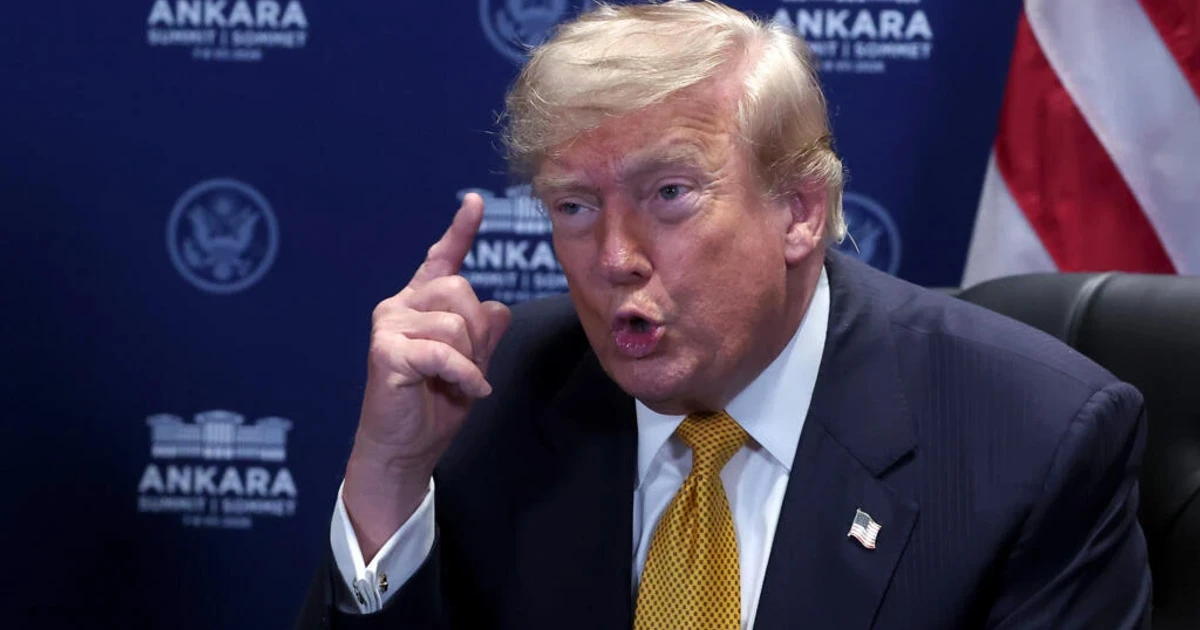
Donald Trump said Wednesday that the Iran ceasefire was, in his view, over as he took questions on the sidelines of the NATO summit in Ankara, Turkey. He also said the U.S. might launch more strikes against Iran that night, a warning that landed as drivers across the United States were already bracing for higher fuel costs.
That kitchen-table pressure is now part of the political fight. A Reuters/Ipsos poll earlier in June found 60% of Americans expected gasoline prices to keep rising amid the Iran war, and Trump has been trying to frame the conflict through the price Americans see at the pump. He has accused gasoline retailers of price gouging and said he instructed the Justice Department to investigate oil companies for not lowering prices in line with falling costs.
The summit in Ankara was scheduled as a two-day meeting on Tuesday and Wednesday, with Trump expected to hold a news conference at the end. The setting put foreign policy, energy markets and domestic politics on the same stage, with Trump repeatedly tying the Iran conflict to trade relationships and U.S. energy prices.
The ceasefire was already under strain after fresh exchanges of fire. Iran reportedly targeted U.S. military sites in Bahrain and Kuwait after U.S. strikes on Iranian targets, in a flare-up that followed attacks on vessels in the Strait of Hormuz. NATO Secretary General Mark Rutte defended the American response, calling it “absolutely necessary” after Iran was accused of violating the cease-fire.
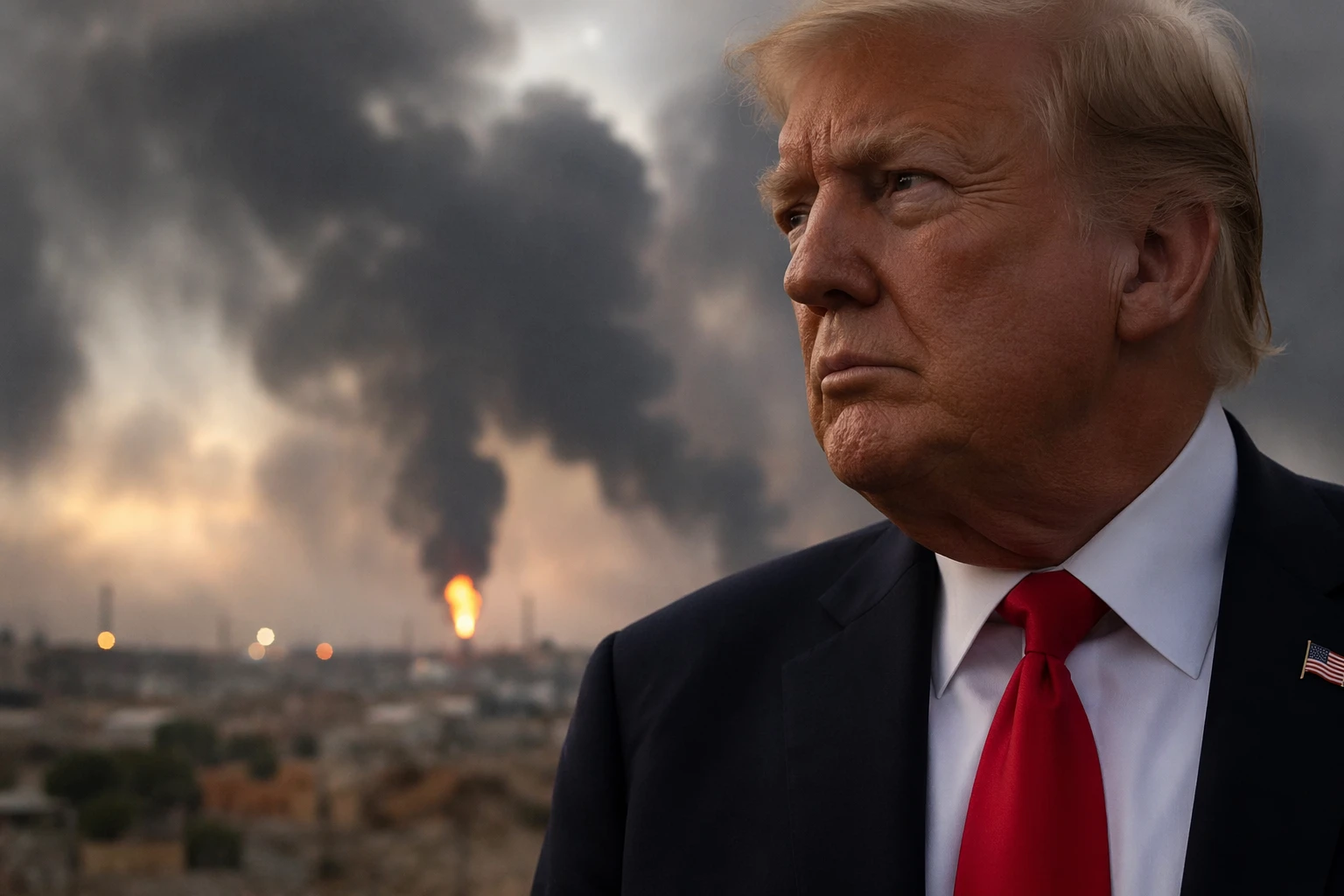
Trump has also spent days emphasizing Iran’s nuclear material, saying it was buried so deeply underground that no country besides the U.S. would be able to harvest it. In earlier remarks he portrayed the stockpile as effectively unreachable, underscoring how closely he has linked the military campaign to the question of whether Iran can ever rebuild its nuclear program.
The immediate consequence for Americans is less about diplomatic language than about market risk. Every new strike, every threat of escalation and every sign of a wider regional conflict feeds oil traders’ expectations, and those expectations move quickly into gasoline prices before any president can blunt them.
Sources
- [1]cbsnews.com
- [2]apnews.com
- [3]time.com
- [4]upr.org
- [5]usnews.com
- [6]nbcnews.com