Politics
Trump says Iran should have ballistic missiles as talks continue
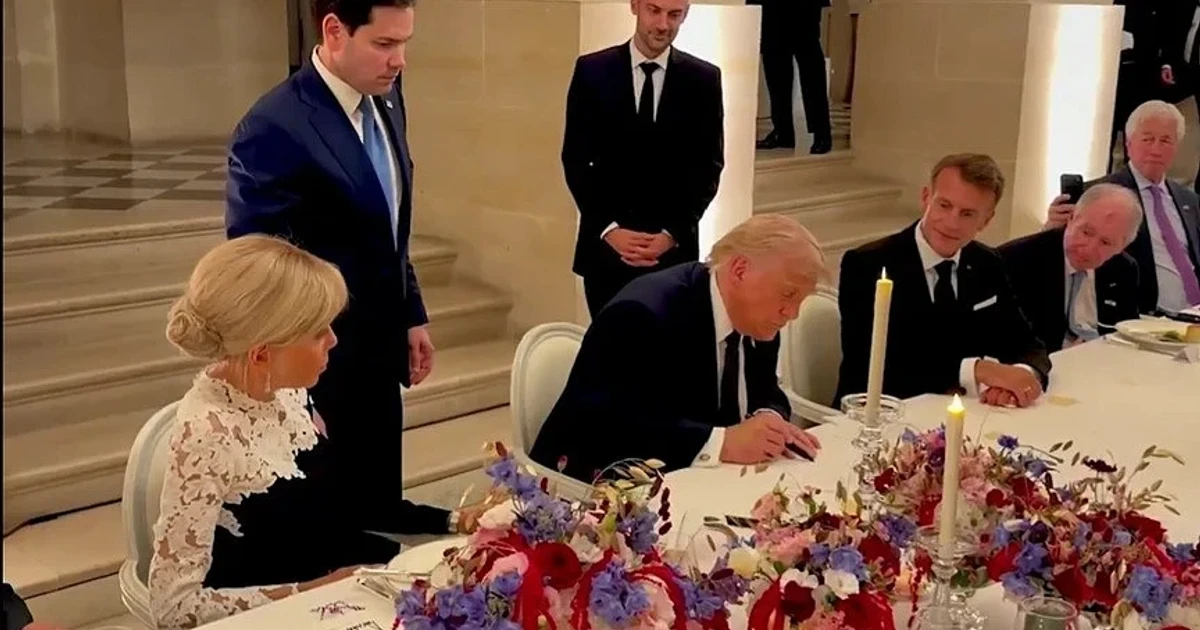
Donald Trump has abruptly softened his Iran missile line, saying Tehran should not be denied ballistic missiles if other countries have them. The shift lands as his administration tries to lock in a deal with Iran, with a signing ceremony set for Friday in Switzerland and preparatory meetings scheduled in Doha.
The reversal is striking because Trump only months ago cast Iran’s missile force as one of the central reasons for pressure and, if needed, war. On March 2, he called the campaign against Iran the "last best chance" to confront the country’s ballistic missile and nuclear programs, and described the missiles as a "very clear, colossal threat" to U.S. forces. He warned then that Iran already had missiles capable of hitting Europe and U.S. bases and would soon have missiles that could reach the United States.
Now Trump is saying the opposite. Speaking in Paris on Wednesday, June 17, on the sidelines of the G7 summit, he said it would be "unfair" for Iran not to have ballistic missiles if other countries have them. Reuters quoted him as saying, "If other countries have them, it's a little bit unfair for them not to have some." That kind of language marks a sharp rhetorical shift for a president who had long used Iran’s missile program as a touchstone for sanctions, military pressure and alliance coordination.
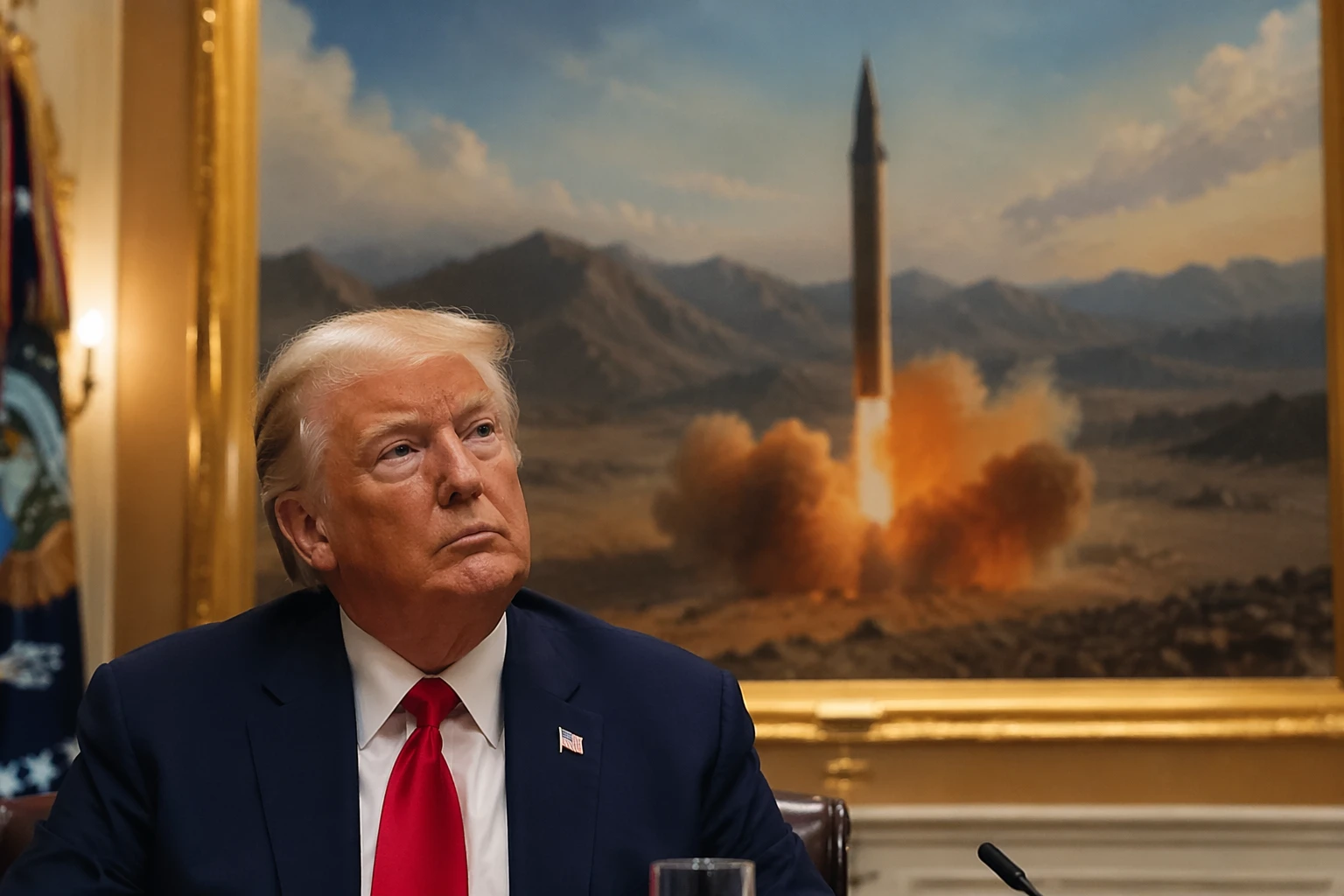
The policy consequences matter because Washington has continued to treat Iran’s missile network as a sanctions target even while Trump moves toward a broader political settlement. The State Department announced fresh sanctions on February 25, targeting procurement networks supporting Iran’s ballistic missile and advanced conventional weapons development. It followed with more sanctions on June 10 against 13 individuals and entities tied to weapons procurement on behalf of the Islamic Revolutionary Guard Corps, after earlier sanctions on April 29, 2025, aimed at a network procuring ballistic missile propellant ingredients for the IRGC.
That tension is now feeding debate over what the deal actually buys. Reuters-linked reporting said the evolving U.S.-Iran memorandum of understanding does not explicitly bar Iran from keeping some ballistic missiles, a gap critics say could weaken the original war aims and broader nonproliferation goals. Supporters argue the compromise reflects a harder reality: ending hostilities, reopening the Strait of Hormuz and securing what CBS News said the administration described as "the immediate and permanent termination of military operations on all fronts."
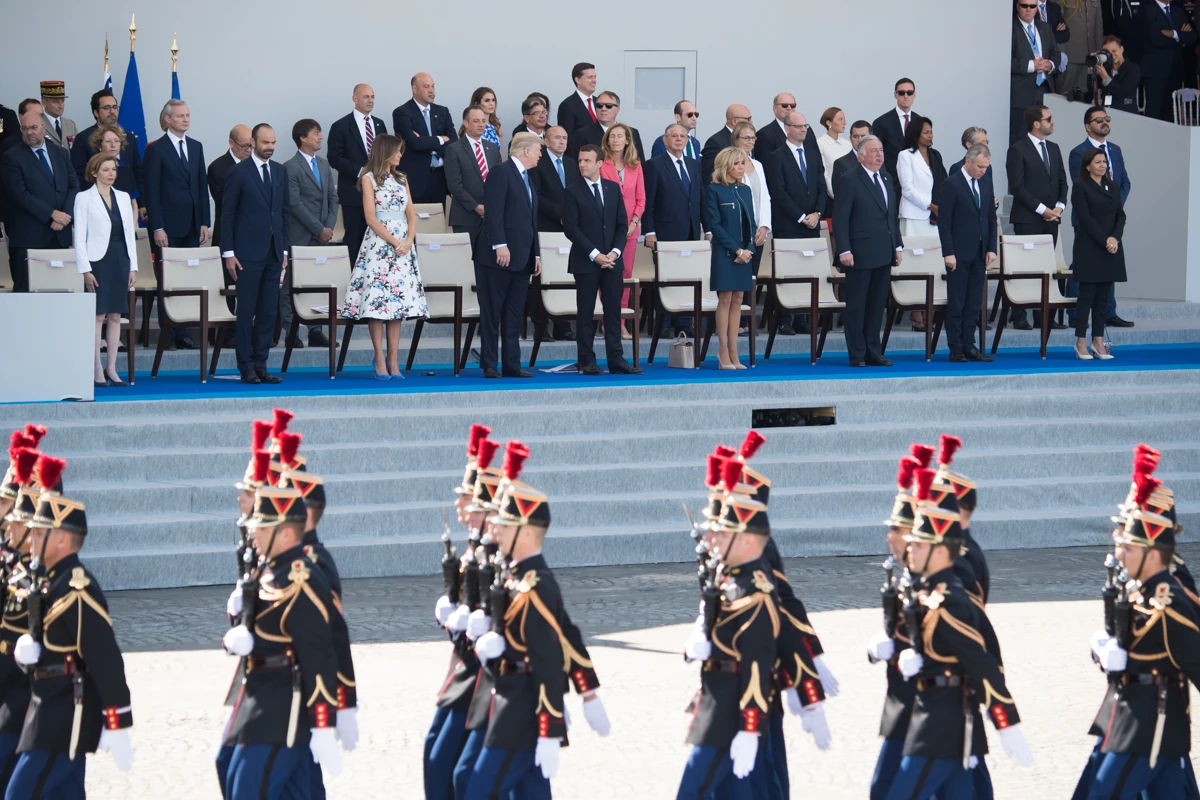
For allies, Congress and Iran watchers, the question is not just whether Trump shifted, but why. The earlier posture aligned with maximum pressure and with Trump’s February message to Benjamin Netanyahu that the United States would support Israeli strikes on Iran’s ballistic missile program if no deal were reached. The new tone suggests a White House more focused on getting out of the war and sealing an agreement than on forcing Tehran into complete missile disarmament, a trade-off that could shape the next phase of U.S. policy long after the ceremony in Switzerland.
Sources
- [1]cbsnews.com
- [2]usnews.com
- [3]state.gov