Politics
Trump says Iran talks continue as ceasefire collapses; Platner exits Maine race
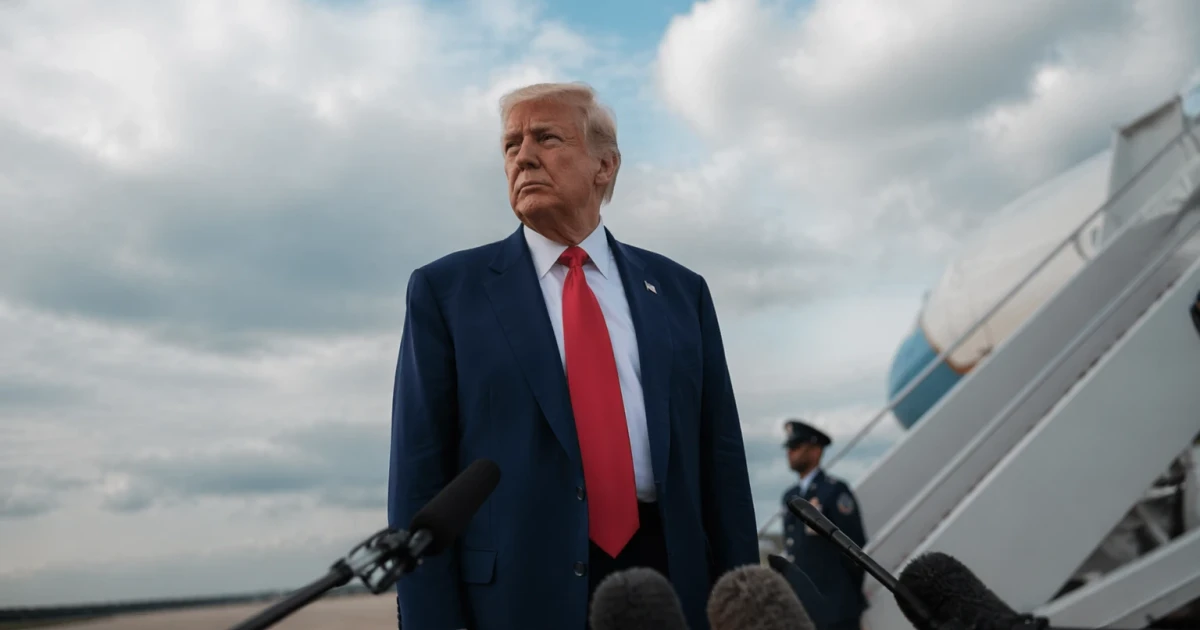
Donald Trump said the United States and Iran would keep talking even as he declared the ceasefire between the two sides was over, sharpening the split between diplomacy and force after a fragile mid-June understanding began to unravel. Trump said on July 10 that Iran had asked to continue talks and that Washington agreed, but he also said he was not sure he wanted a deal anymore and suggested the United States should “finish the job.”
That ceasefire had been built around an interim memorandum reached in mid-June that was meant to halt fighting for 60 days, reopen the Strait of Hormuz and buy time for a permanent agreement. The White House sent Congress a 14-point draft understanding that left the hardest issues, including Iran’s nuclear program, for later negotiations. The arrangement came under strain after exchanges of attacks earlier in July, and tanker traffic through the Strait of Hormuz slowed again as the renewed clashes raised the risk to one of the world’s most important oil routes.
The conflicting signals leave Washington trying to sustain talks while the military situation deteriorates. Masoud Pezeshkian and other Iranian officials had been part of the broader diplomatic track that produced the mid-June framework, and JD Vance has been involved in the administration’s public defense of the approach. But Trump’s declaration that the ceasefire was over underscored how little room remained between escalation and an eventual settlement, especially as the draft deal deferred the central question of Iran’s nuclear program.
In Maine, Graham Platner formally withdrew from the U.S. Senate race, ending his campaign after a detailed sexual assault allegation and mounting pressure from Democratic leaders in the state and nationally. Because he withdrew before the state deadline, his name will not appear on the November 3 ballot, and the Maine Democratic Party has until July 27, 2026, to choose a replacement nominee. Maine Secretary of State Shenna Bellows has already launched a campaign to replace Platner as the Democratic nominee, a sign of how quickly the party is moving to contain the damage.
Platner’s exit deepens the scramble around a race Democrats have treated as must-win against Republican Sen. Susan Collins. The loss of a nominee in a state where the party sees a path to Senate control complicates its wider effort to block parts of Trump’s second-term agenda, making Maine one of the most consequential and unsettled contests on the 2026 map.
Sources
- [1]cbsnews.com
- [2]reuters.com
- [3]maine.gov
- [4]apnews.com
- [5]politico.com
- [6]msn.com
- [7]thehill.com