World
Trump says Saudi nuclear deal would ban uranium enrichment
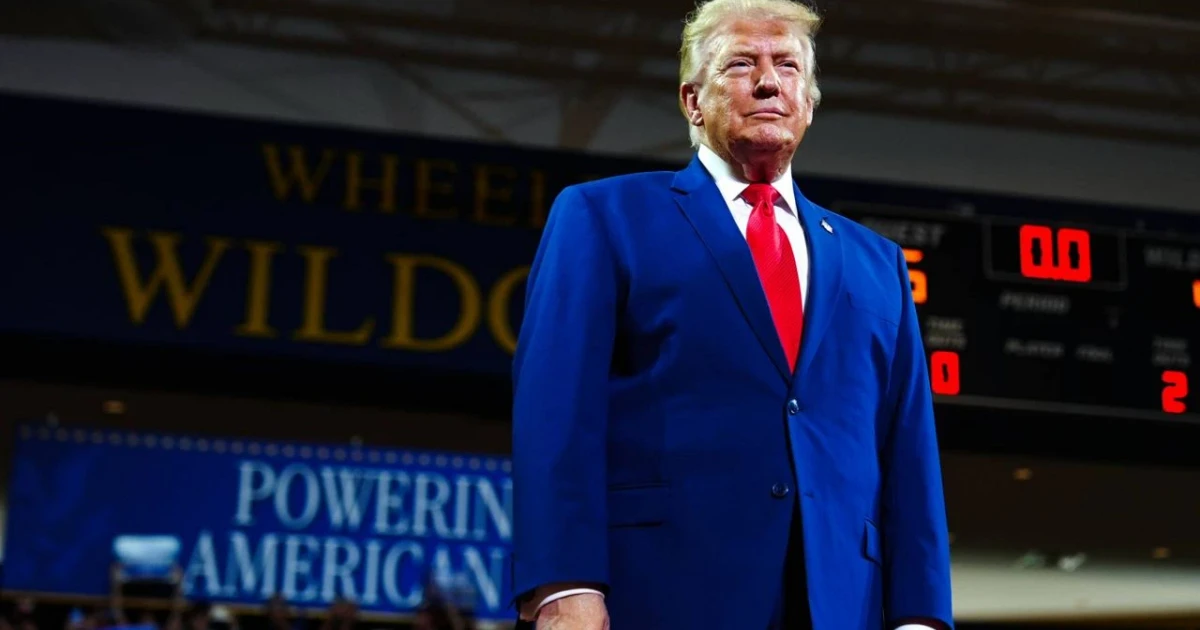
Donald Trump said Saudi Arabia’s nuclear cooperation deal would include no enrichment of nuclear material, putting the most sensitive safeguard at the center of a fast-moving bargain with Riyadh. He also said the pact would be “totally subject” to Saudi Arabia joining the Abraham Accords and recognizing Israel.
The U.S. and Saudi Arabia announced a civilian nuclear cooperation deal on July 22, and reports said the agreement could last 30 years. Alongside it, U.S. Energy Secretary Chris Wright and Saudi Energy Minister Prince Abdulaziz bin Salman signed a separate safeguards deal, underscoring that the nuclear file is being folded into a broader U.S.-Saudi relationship that already spans defense and economic ties.
For Washington, the offer is access to U.S. civil nuclear cooperation under a so-called 123 agreement, the standard framework for nuclear trade. For Riyadh, the prize is long-sought help advancing a civilian nuclear program as part of its wider energy and economic diversification agenda. The dividing line is enrichment: Saudi officials have for years pushed for the right to enrich uranium on their own soil using American technology, while lawmakers and arms control experts have warned that any such allowance could increase proliferation risks and unsettle an already volatile Middle East.
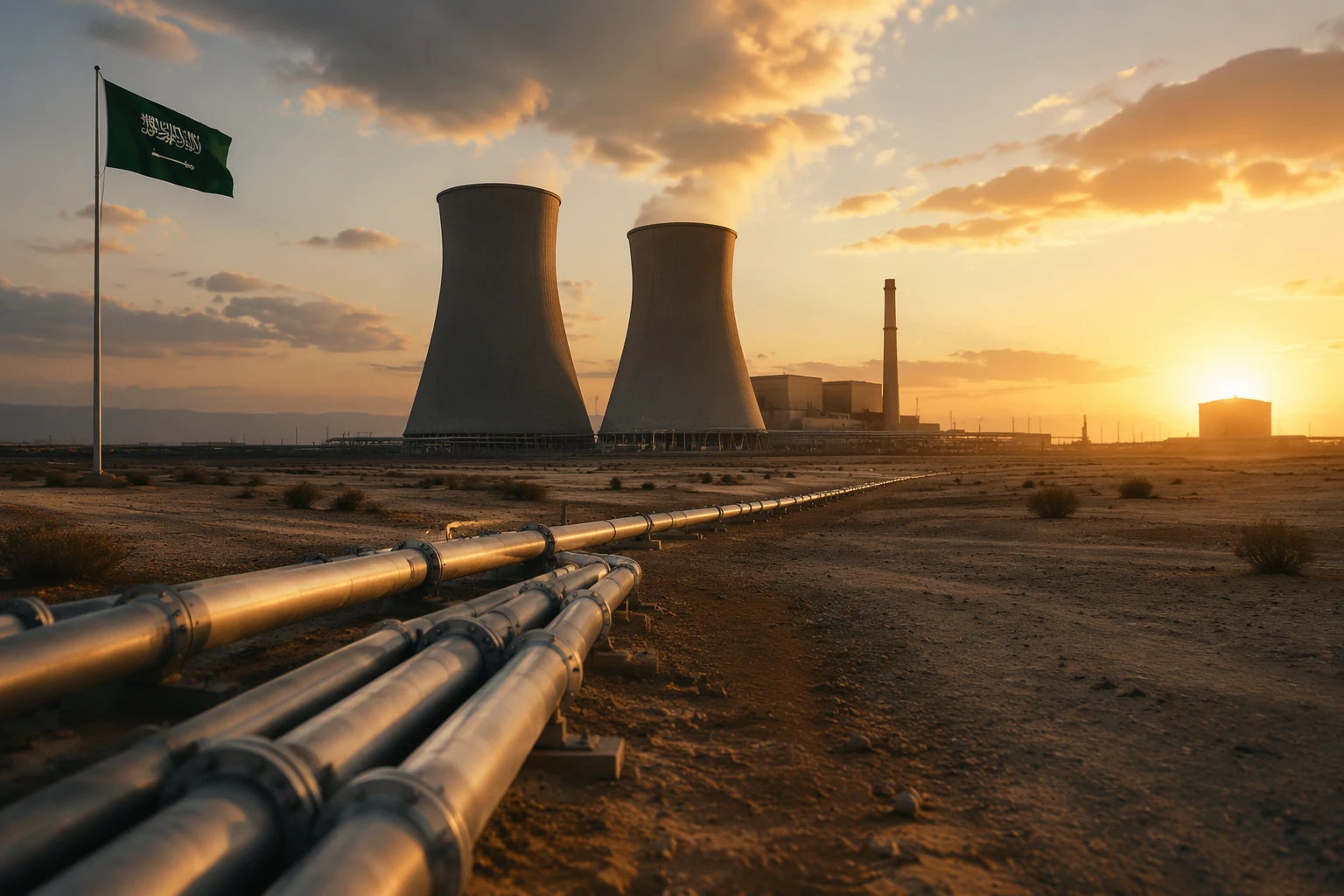
That warning is now colliding with domestic politics in the United States. The Senate introduced S. 4243 on March 26, a bill that would require a joint resolution of approval for any civilian nuclear cooperation agreement with Saudi Arabia. Trump said he planned to seek Congress’s approval for the pact, putting lawmakers in the middle of a deal whose details could determine whether the kingdom gets a fuel cycle with no enrichment, or a far riskier arrangement.
The Abraham Accords make the stakes even higher. Signed in September 2020 by Israel, the United Arab Emirates, Bahrain and Morocco, with Sudan not ratifying them, the accords were the most significant Arab normalization breakthrough in years. Trump’s decision to tie the Saudi nuclear deal to Riyadh joining that framework raised the bar for Saudi Arabia, increased pressure on Israel, and sharpened concern in Congress that any concession on enrichment could ripple far beyond a single bilateral agreement.
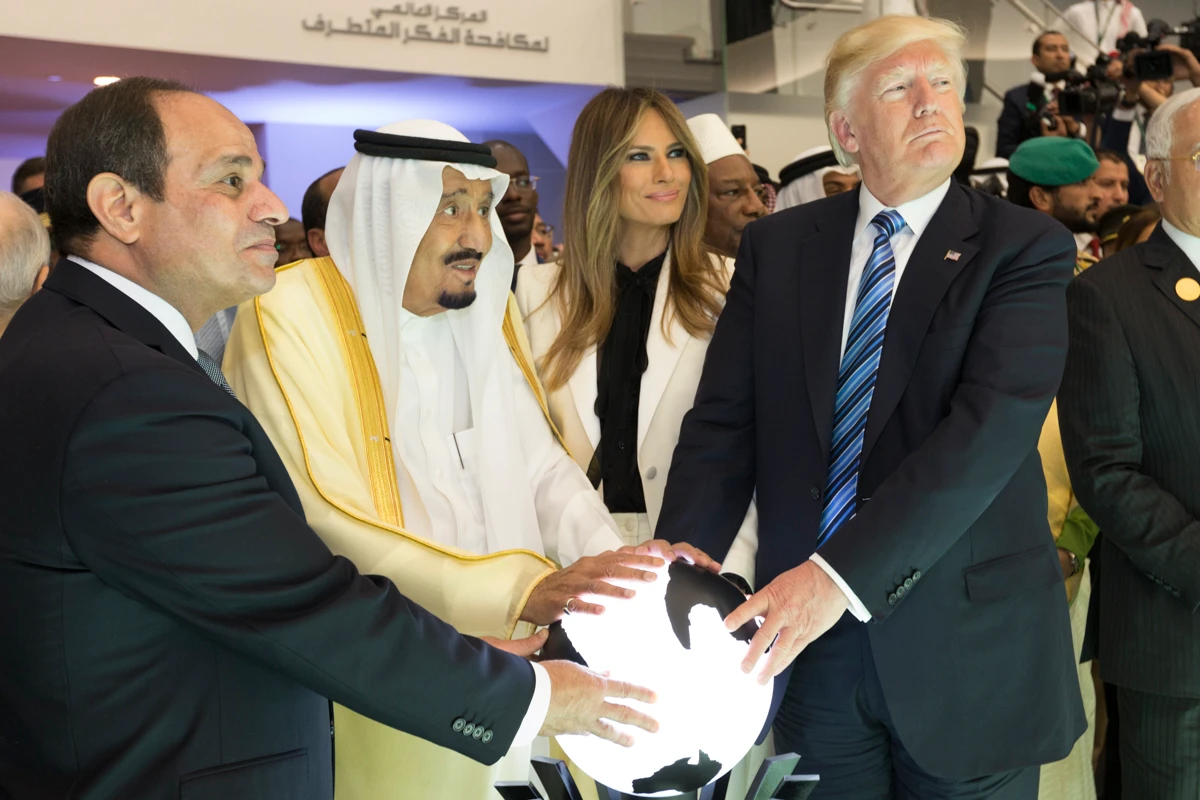
The key question now is whether the non-enrichment pledge is a real proliferation barrier or a politically fragile promise. If the ban holds, it would block the most direct route to a weapons-relevant fuel capability; if it weakens under pressure, critics warn it could open the door to a Middle East arms race that neither Washington nor Riyadh can easily contain.
Sources
- [1]cbsnews.com
- [2]reuters.com
- [3]govinfo.gov
- [4]commonslibrary.parliament.uk
- [5]congress.gov