Business
Trump says Strait of Hormuz will reopen after US-Iran deal
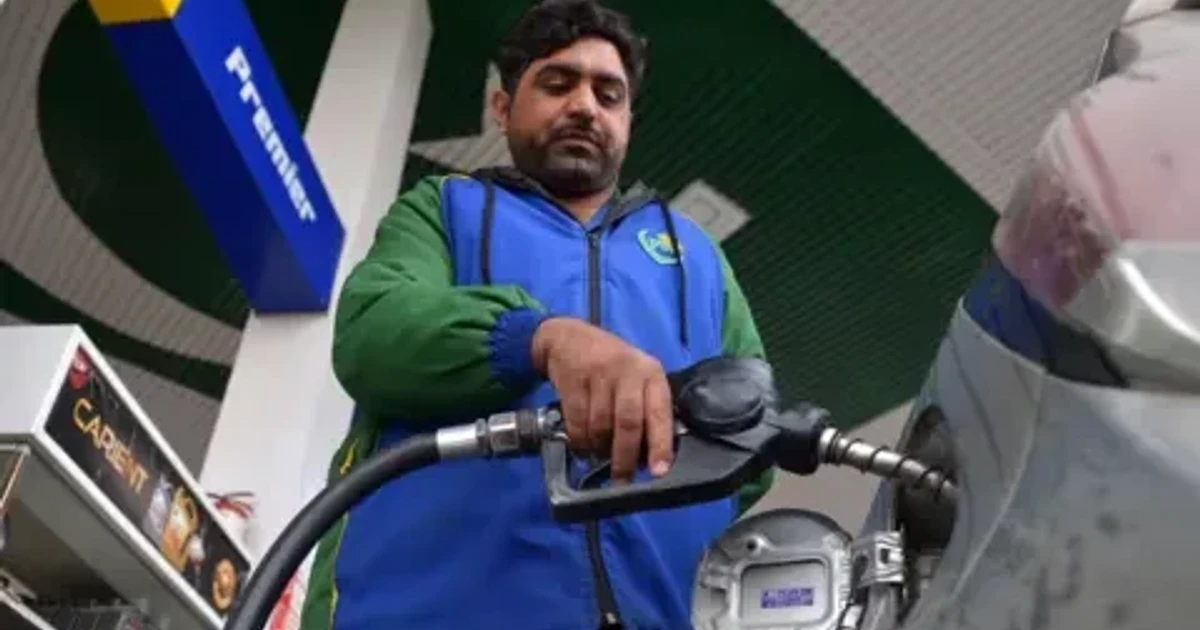
Crude prices dropped after Donald Trump said the Strait of Hormuz would reopen under a U.S.-Iran deal, a sign traders saw more oil and liquefied natural gas moving through the world’s most exposed energy chokepoint. Brent crude fell to about $84.02 a barrel in early Asian trade, while U.S. oil slipped to about $81.40, a sharp reminder that any disruption or restart in Hormuz can ripple quickly into fuel costs and inflation.
Pakistan put itself at the center of the diplomacy. Prime Minister Shehbaz Sharif said the United States and Iran had agreed on the final text of a deal and that a signing ceremony was expected on Friday, June 19, in Switzerland. The agreement was presented as a framework to end the war and reopen the strait, which carries roughly one-fifth of the world’s seaborne oil and liquefied natural gas.
The market reaction reflected how much is riding on that route. When shipments through Hormuz are constrained, energy costs tend to rise across shipping, refining and transportation, feeding through to consumer prices. With the lane reopened, at least in principle, traders quickly priced in the possibility of lower input costs and relief for global supply chains that have been strained for more than three months.
Still, the diplomacy is not locked in. Some reports said the emerging agreement could include 60 days of negotiations over Iran’s nuclear program and sanctions relief, and officials said it was not immediately clear how quickly the strait would reopen to all traffic. Mixed messaging has surrounded the talks for weeks, including earlier reports that a draft deal would reopen the waterway and could lift oil sanctions on Iran.
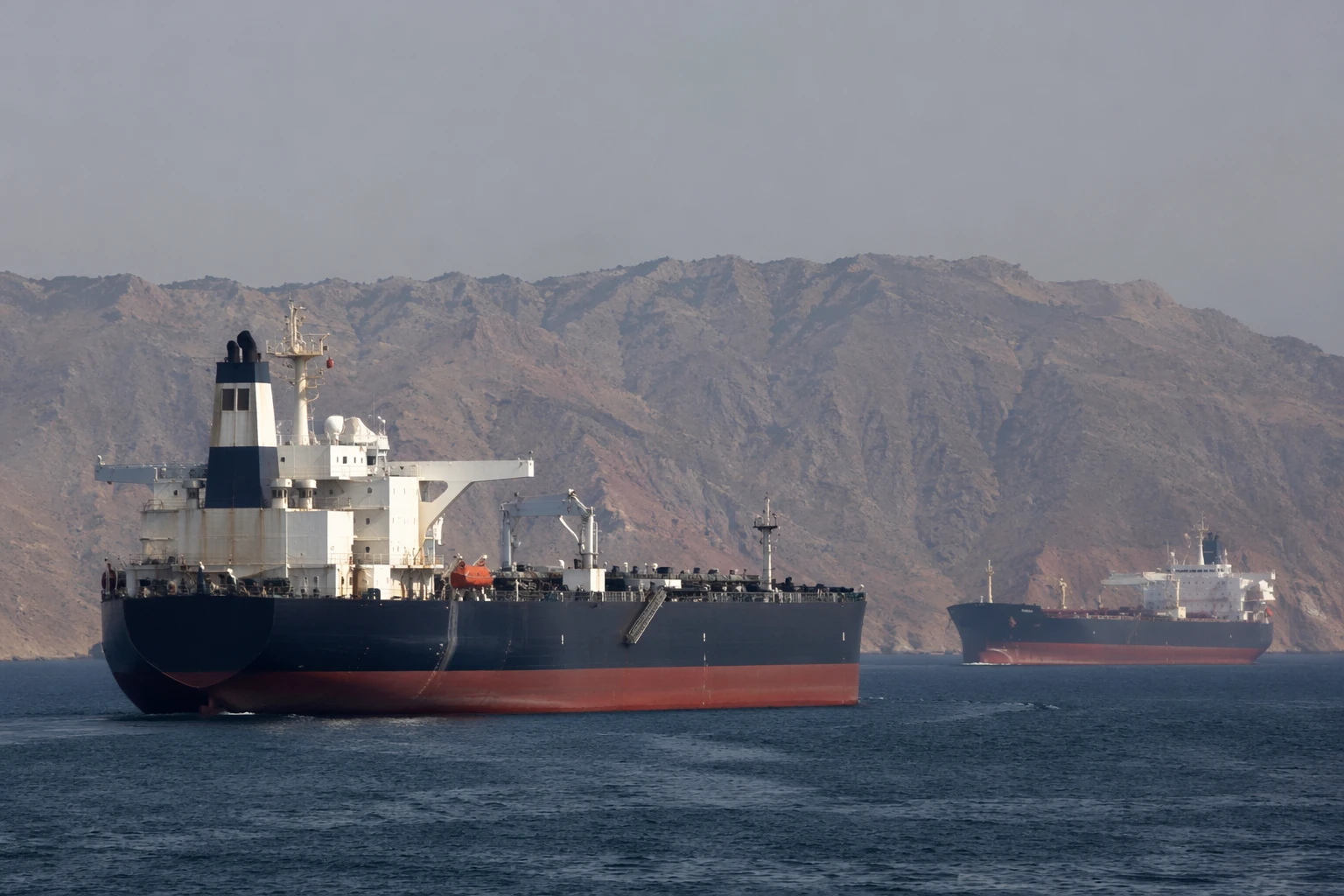
There were also signs that the security picture remained unsettled. Vessels were seen in the Strait of Hormuz on June 14, underscoring the route’s continuing role in global energy flows, while U.S. Central Command said the shipping lane was open for transit and not controlled by Iran. That tension between political announcement and operational reality is what will determine whether the latest breakthrough is durable or only a pause in a longer confrontation.

For now, the deal has offered the global economy a rare dose of relief. If shipments resume normally, the impact would reach well beyond oil traders, easing pressure on inflation, freight costs and energy bills from Washington to Dubai.
Sources
- [1]bbc.com
- [2]aol.com
- [3]cnbc.com
- [4]upi.com
- [5]reuters.com
- [6]apnews.com