World
Trump says U.S. and Iran nearing deal to end conflict and restart talks
The emerging U.S.-Iran framework is built around a blunt exchange: Tehran would have to dismantle its nuclear program, hand over enriched material for destruction outside Iran, and accept an inspection regime, while any economic payoff would come only after compliance. A senior administration official said the short-term deal would also reopen the Strait of Hormuz and lift the U.S. blockade on it, making shipping and energy flows part of the bargain, not an afterthought.
The official said Iran would receive no sanctions relief or financial relief upfront. Instead, the administration would reward Iran economically only if it met its obligations and held up its end of the agreement, with reintegration into the world economy tied to verification. The White House also said the deal included a 60-day period for technical negotiations on the remaining points, underscoring how much of the arrangement still depended on details rather than public declarations.
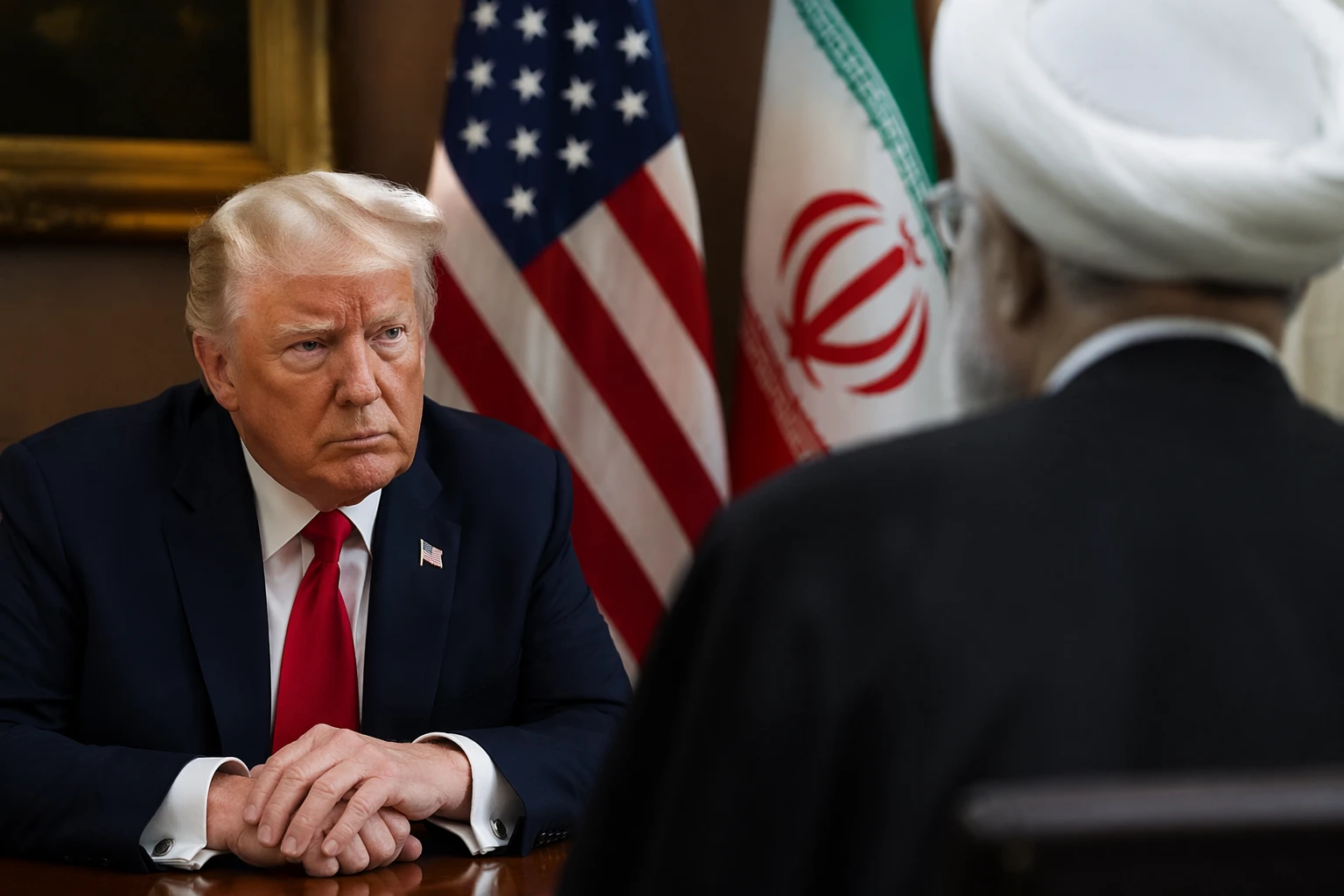
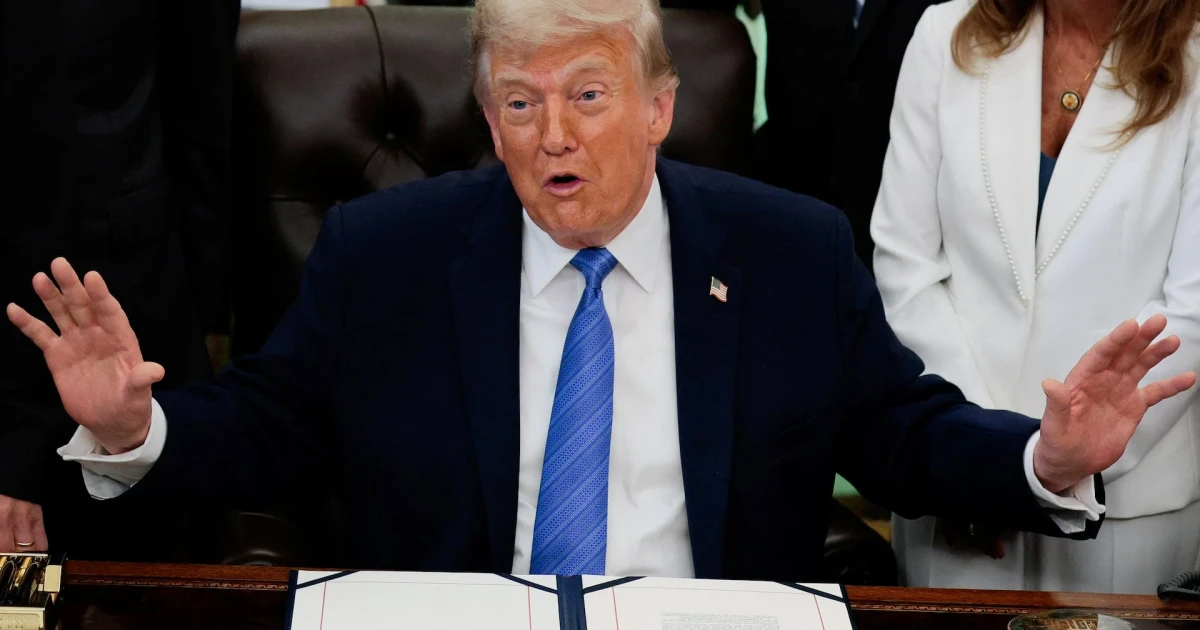
President Donald Trump said the United States had “ended the war” and made a “great deal” with Iran after canceling planned strikes, and he said a signing could come as soon as this weekend or in the next few days. But the White House had not said the agreement was finalized, and the administration official said there was not yet 100% certainty that the memorandum of understanding would be signed. The two sides have also presented conflicting versions of the emerging deal, leaving unresolved what Tehran has actually agreed to and what Washington is prepared to enforce.

The stakes extend beyond the nuclear file. The Strait of Hormuz is central to global trade and energy security, so any reopening would carry immediate market implications for oil shipping and regional risk premiums. At the same time, the administration has kept pressure on Iran’s economy for decades, with sanctions in place since 1979 and new actions in 2026 aimed at the petroleum system that funds Tehran’s state apparatus.
That pressure continued even as diplomacy advanced. On February 6, 2026, the State Department sanctioned 15 entities, two individuals and 14 shadow-fleet vessels tied to Iranian petroleum trade. On May 1, it said companies and a China-based terminal operator had imported tens of millions of barrels of sanctioned Iranian crude since NSPM-2. On June 5, it said a network had smuggled hundreds of millions of dollars’ worth of Iranian LPG to markets in South and East Asia. The message from Washington was clear: any deal would have to outrun a sanctions regime still being actively tightened.
Sources
- [1]abcnews.com
- [2]state.gov