World
Trump says U.S., Iran could sign peace deal as soon as weekend

The biggest question hanging over the U.S.-Iran truce was not whether both sides had momentum, but what, exactly, they had agreed to. The short-term ceasefire had not been made public, the long-term accord it was supposed to produce did not yet exist as a finalized treaty, and the most sensitive issues, including Iran’s nuclear program, were still being pushed into later talks.
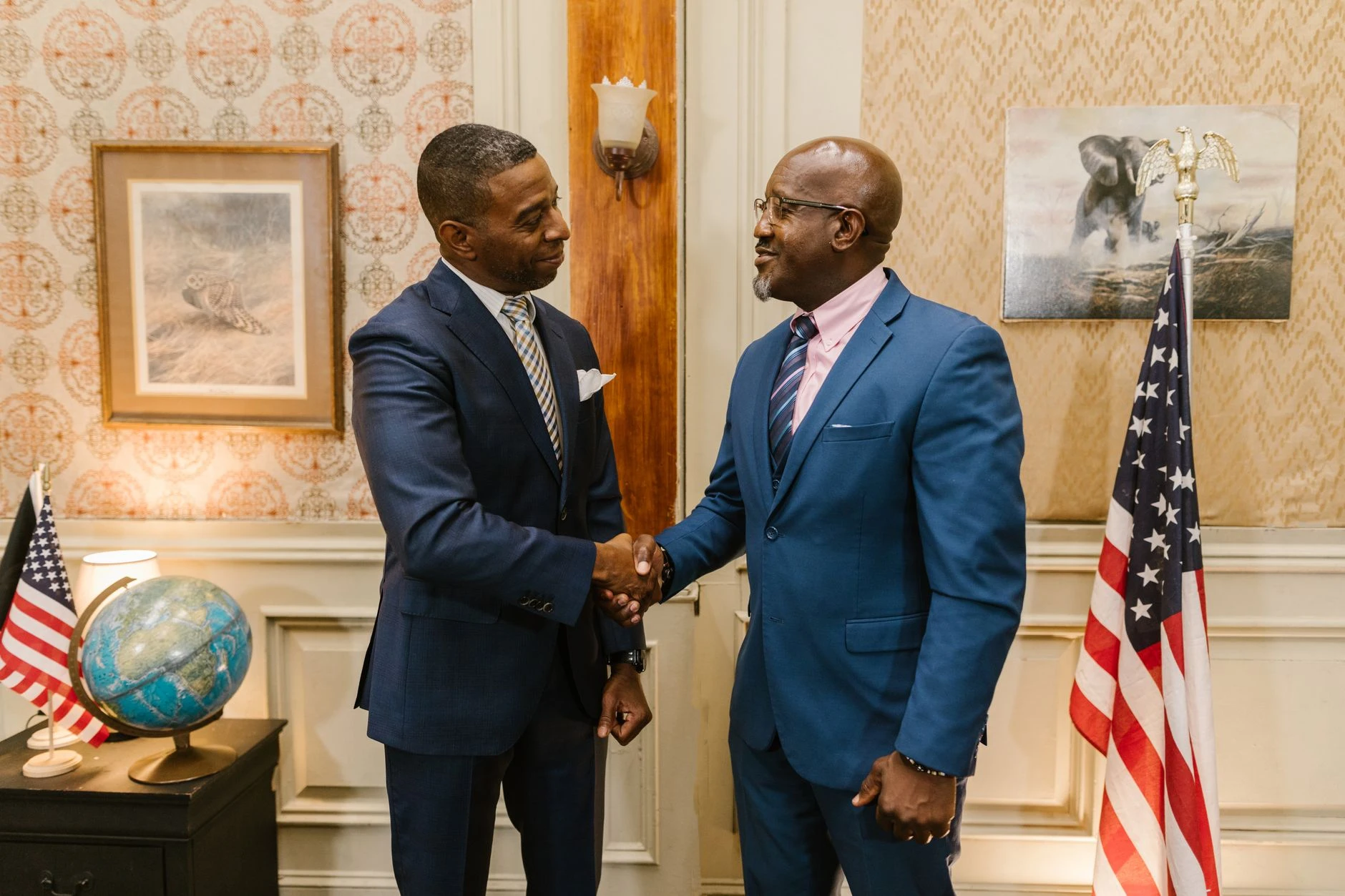
Donald Trump said on June 11 that the United States and Iran could sign a peace deal as soon as that weekend, possibly in Europe. One report said Vice President JD Vance could sign for the United States. Iran’s foreign ministry immediately undercut that message, saying no final decision had been made and nothing had been finalized. Iranian officials also continued to warn that the contents of any agreement should not be speculated about.
The gap between the two governments widened in the days that followed. Pakistani Prime Minister Shehbaz Sharif later said the final text had been reached and that a signing ceremony was expected in Switzerland on June 19. That account pointed to a deal still moving through the political and diplomatic machinery, with formal documents possibly handled in Europe or Switzerland rather than in public view.
What has emerged from the reporting is less a fully formed peace settlement than a framework or memorandum of understanding. The reported terms would reopen the Strait of Hormuz, a vital shipping lane for global energy flows, and one account said the U.S. naval blockade on Iranian ports could be lifted. Other reports said sanctions relief might follow. But some accounts said the pact did not address Iran’s nuclear program at all, while others said that issue was simply deferred. That leaves the central security question unresolved: whether any truce can hold if the dispute over Iran’s nuclear work remains untouched.
The stakes are larger than the language of a signing ceremony. The fighting had already lasted more than three months after joint U.S.-Israeli strikes on Iran on February 28, 2026, and the war had rattled energy markets and drawn in regional actors, including fighting in Lebanon. Markets responded quickly to news of the possible deal, with oil and crop prices falling, a sign that traders saw even an incomplete accord as material to supply routes and price stability.
For now, the unanswered questions define the story. It remained unclear who would sign what, whether the Strait of Hormuz was actually open, what commitments Iran had made on its nuclear program, and whether a deal announced in fragments could survive once the formal text was finally put to paper.
Sources
- [1]nytimes.com
- [2]reuters.com
- [3]rte.ie
- [4]time.com
- [5]cbsnews.com
- [6]aljazeera.com