World
Trump says U.S.-Iran deal complete, ends blockade on Strait of Hormuz
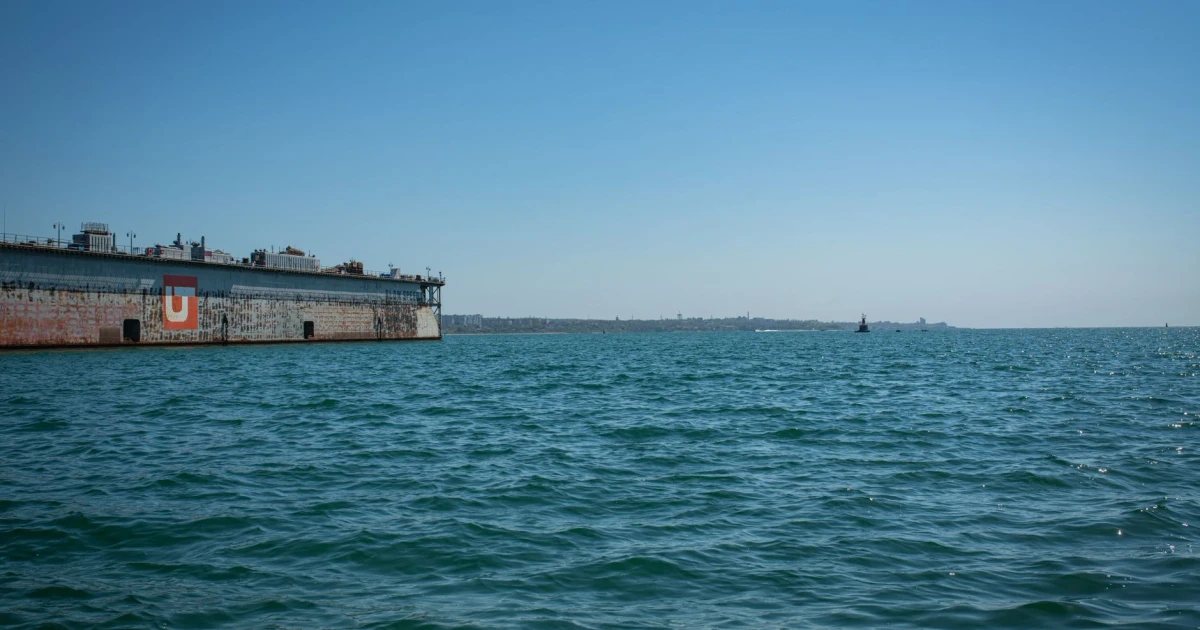
Trump’s announcement that a U.S.-Iran deal was “complete” left the hardest questions unresolved: what exactly was agreed, how it will be enforced, and what changes for U.S. interests and global shipping beyond the immediate reopening of the Strait of Hormuz. The accord was described as a framework or memorandum of understanding, not a final peace settlement, and key issues, including Iran’s nuclear program, were pushed into later talks.
The arrangement came after nearly four months of fighting between the United States and Iran. Trump said he “fully authorize[s] the toll free opening of the Strait of Hormuz” and the immediate removal of the U.S. naval blockade, with the waterway reopening once the agreement is signed. Separate meetings in Doha were expected to prepare for an official signing in Switzerland on June 19, while sources cited a 60-day ceasefire extension as part of the package.
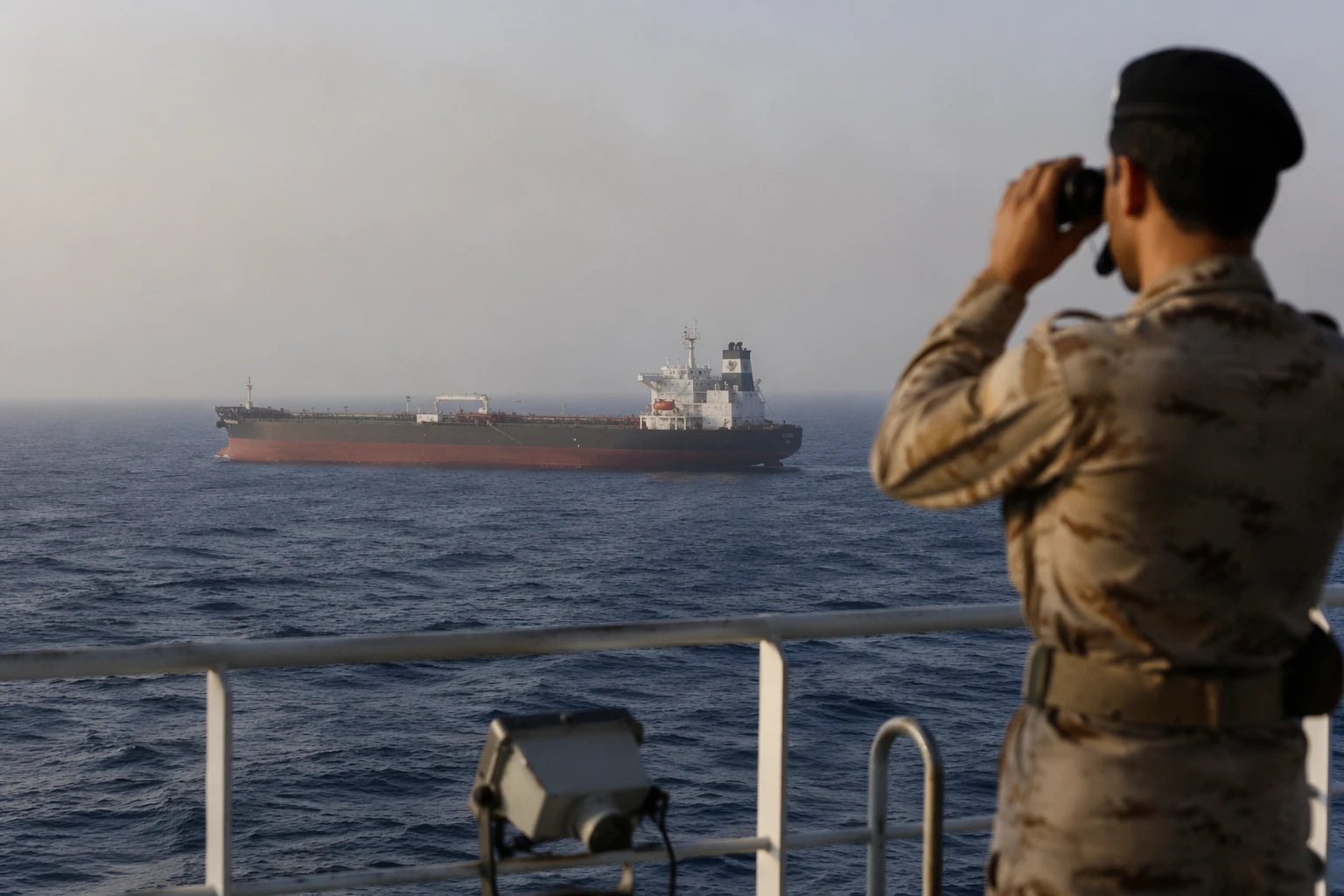
Iranian officials initially sounded cautious, saying the timing and location of a signing were speculative and that Tehran would not compromise on red lines. Later reports said Iran’s deputy foreign minister confirmed that the text had been finalized, suggesting the diplomatic track had moved forward even as public messaging remained guarded. Pakistan’s Prime Minister Shehbaz Sharif was cited as helping mediate the talks, adding another regional player to an already crowded negotiation.
The stakes extend far beyond the bilateral fight. The U.S. Energy Information Administration says about 20 million barrels per day of oil flowed through the Strait of Hormuz in 2024, roughly one-fifth of global petroleum liquids consumption. Around one-fifth of global LNG trade also moves through the same narrow channel. The International Energy Agency says it is the primary export route for oil from Saudi Arabia, the United Arab Emirates, Kuwait, Qatar, Iraq, Bahrain and Iran, which makes the corridor central to energy security and to the leverage of every state that depends on it.
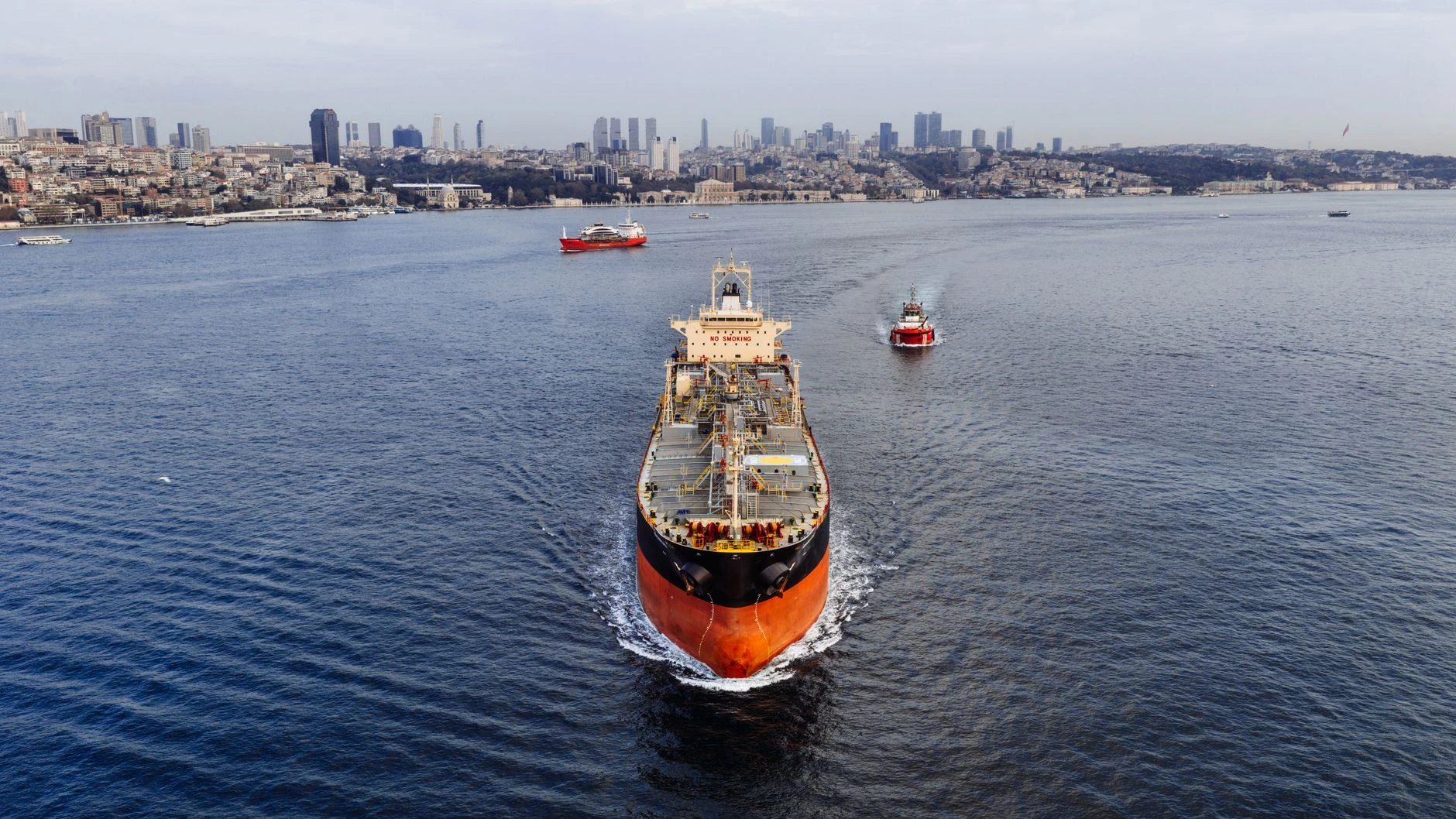
That is why Emmanuel Macron said G7 leaders in France would discuss the long-term reopening of Hormuz. The summit backdrop made Trump’s announcement more than a regional ceasefire story. It became a test of whether allies see a durable diplomatic shift or simply a political victory lap ahead of details that still have to hold. Markets delivered their own verdict, with higher U.S. stock futures and a rise in Brent crude signaling relief mixed with doubt about how stable the calm will be.
Sources
- [1]cbsnews.com
- [2]eia.gov
- [3]iea.org
- [4]rferl.org