World
Trump says US-Iran peace deal scheduled for Sunday, Iran disputes timing
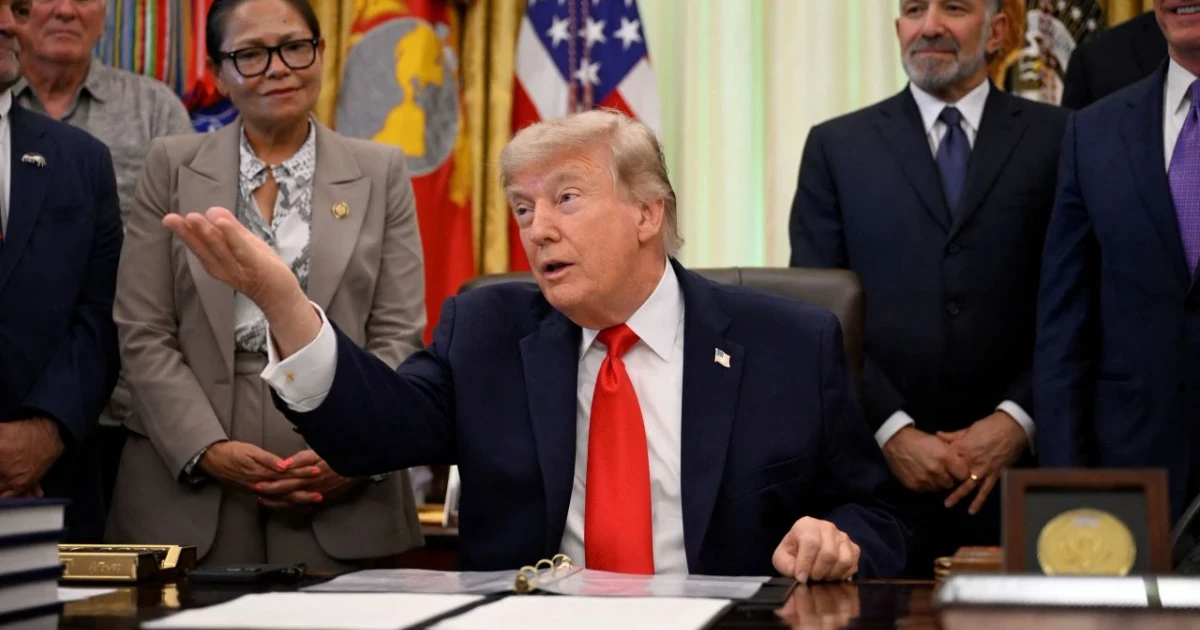
Donald Trump said a U.S.-Iran peace deal was scheduled for Sunday and claimed the Strait of Hormuz would be “OPEN TO ALL” immediately after signing. Tehran quickly undercut that timeline, with Iranian Foreign Ministry spokesperson Esmaeil Baghaei saying the memorandum of understanding would not be signed on Sunday, even as he left open the possibility of a deal in the coming days.
The split matters because the two sides still appeared to be describing different stages of the same process. Pakistan’s Prime Minister Shehbaz Sharif said the parties had agreed on a framework for a peace deal and that Islamabad was preparing for an electronic signing, followed by technical talks next week. Iranian Foreign Minister Abbas Araghchi said Friday that a deal “has never been closer,” while Iranian state media described the potential agreement as more like a 60-day extension of a memorandum of understanding than a final end to the conflict.
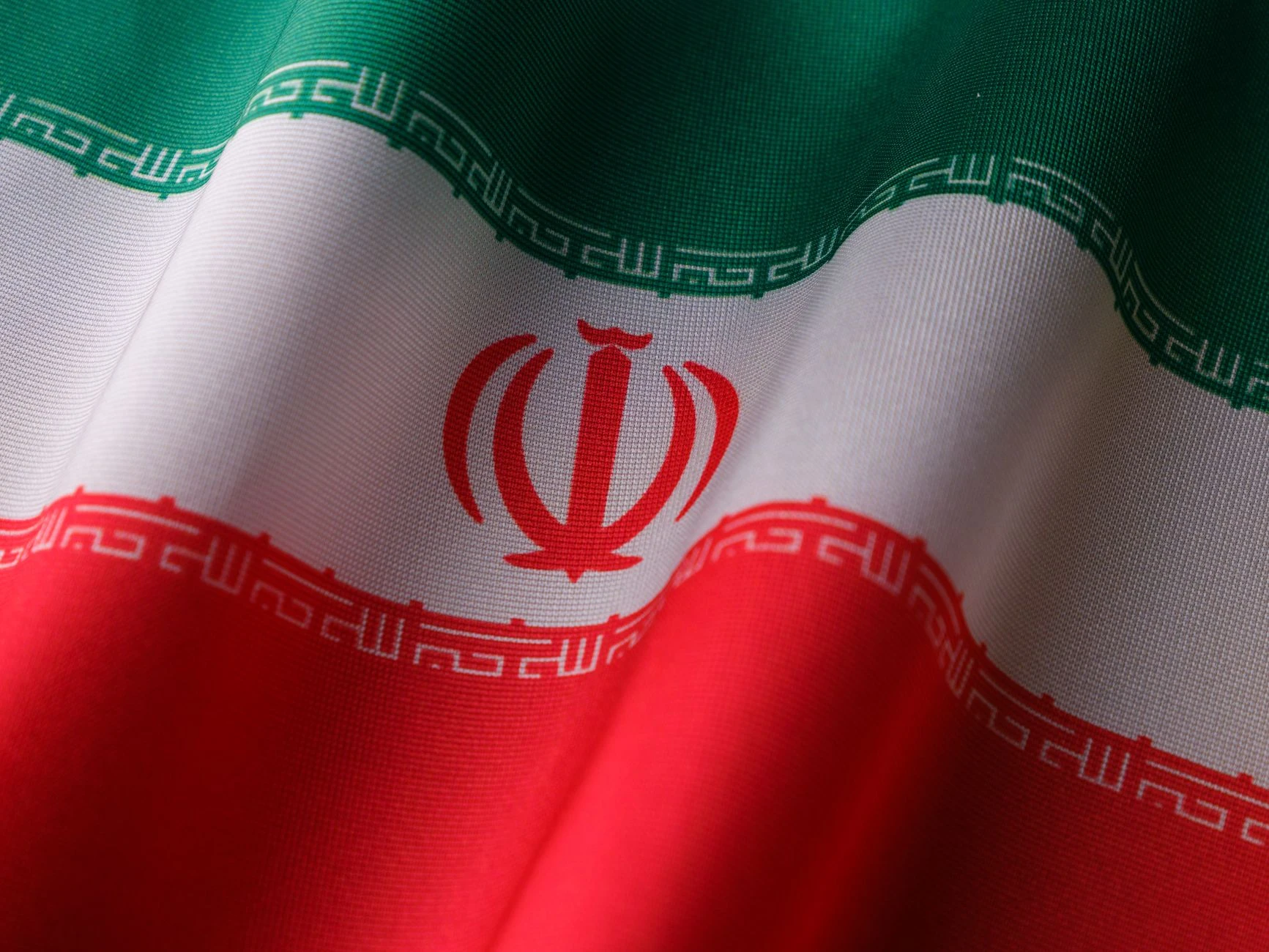
Trump framed the deal in sweeping nuclear terms, saying it would stop Iran from obtaining a nuclear weapon “through purchase, development, or any other form of procurement.” He also said the United States would eventually remove and destroy Iran’s remaining nuclear material. The messaging followed a volatile stretch in which Trump called off planned strikes on Iran on Thursday, then on Friday blasted Iranian interlocutors as “very dishonorable people to deal with” after terms of a possible deal leaked.
The backdrop is a war that began with U.S.-Israeli strikes on Iran on February 28, according to Reuters reporting, and quickly widened as Iran hit U.S. military targets in the Gulf and Hezbollah fired at Israel. The conflict has killed thousands of people, mostly in Iran and Lebanon, driven global energy prices higher, and effectively shut the Strait of Hormuz, one of the world’s most critical oil shipping lanes. Reuters also reported that Ayatollah Ali Khamenei was killed on the first day of the war and later replaced by his son, Mojtaba Khamenei, with Khamenei’s funeral set to begin in Tehran on July 4 and burial planned in Mashhad on July 9.
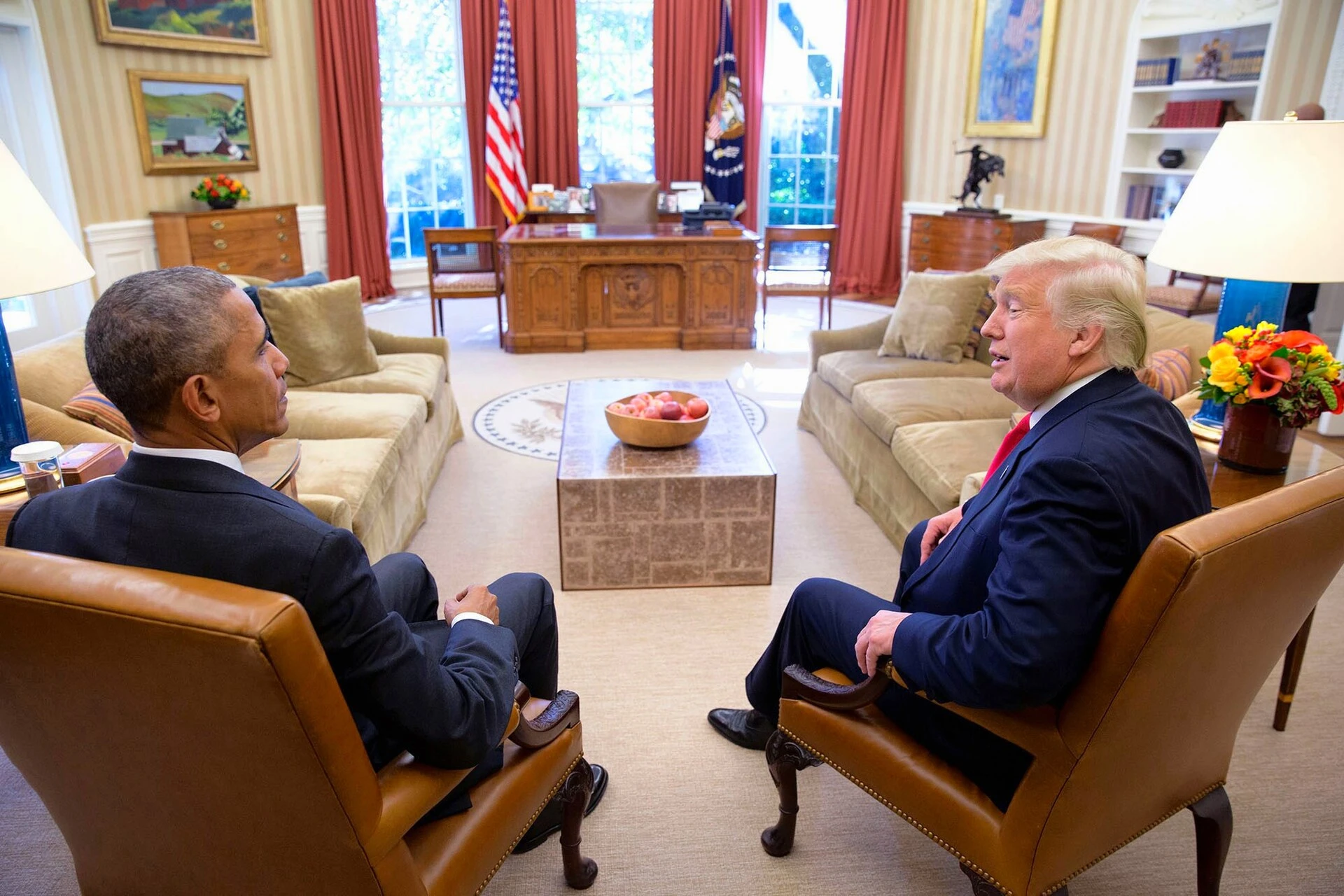
That is the credibility gap at the center of Trump’s announcement. A real breakthrough would require more than a social media declaration from Washington: the text would need to be signed, Tehran would have to accept the timing, technical talks would need to start, and the Strait of Hormuz would have to reopen in practice, not just in presidential rhetoric. Until then, the gap between a political announcement and a diplomatic settlement remained wide.
Sources
- [1]news.google.com
- [2]aol.com
- [3]politico.com
- [4]telegraph.co.uk
- [5]cnbc.com
- [6]usatoday.com