World
Trump says U.S. is semi-negotiating with Iran over Hormuz demands
Donald Trump said the United States was only “semi-negotiating” with Iran after Tehran linked any reopening of the Strait of Hormuz to U.S. concessions, including an end to the war and financial compensation. Trump also told Axios the administration was “low-keying it” and said economic pressure was central because Iran had huge inflation and no money.
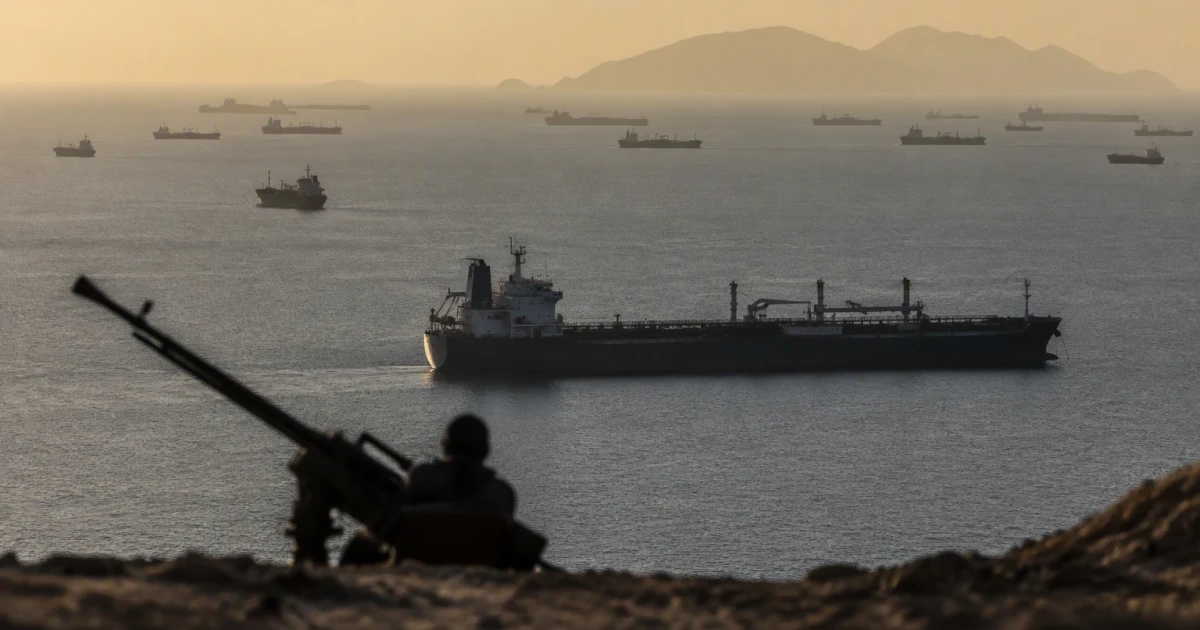
The dispute centers on a narrow waterway that separates the Arabian Peninsula from Iran and connects the Persian Gulf with the Gulf of Oman and the Arabian Sea. The International Energy Agency’s factsheet on the strait, last updated in February 2026, describes it as one of the world’s most important energy chokepoints, and the U.S. Energy Information Administration calls it a critical oil chokepoint. Reuters background reporting puts about 20% of global oil and gas flows through the lane.
Markets have already shown how quickly Hormuz tensions can ripple outward. On March 16, 2026, oil prices slid about 3% after some vessels sailed through the strait amid the conflict, underscoring how shipping conditions there can move energy prices almost immediately.
Iran’s position hardened in August, when officials tied reopening the strait to U.S. concessions. A top Iranian official said the waterway would not fully open until Washington agreed to end the war and provide financial compensation. The United States has pressed for free access through the strait, while talks have continued through intermediaries, including Oman.
The language on both sides reflects a familiar pattern in U.S.-Iran standoffs: public pressure, private bargaining and leverage built around a waterway that carries enormous commercial risk. Trump’s description of the process as “semi-negotiating” suggests no formal breakthrough, only a testing of terms around a chokepoint that can affect tanker traffic, insurance costs and the odds of a wider military escalation.
Sources
- [1]news.google.com
- [2]cbsnews.com
- [3]congress.gov
- [4]reuters.com
- [5]nytimes.com
- [6]aljazeera.com
- [7]cnbc.com
- [8]iea.org
- [9]eia.gov