Politics
Trump says U.S. strike killed Tren de Aragua leader in Venezuela
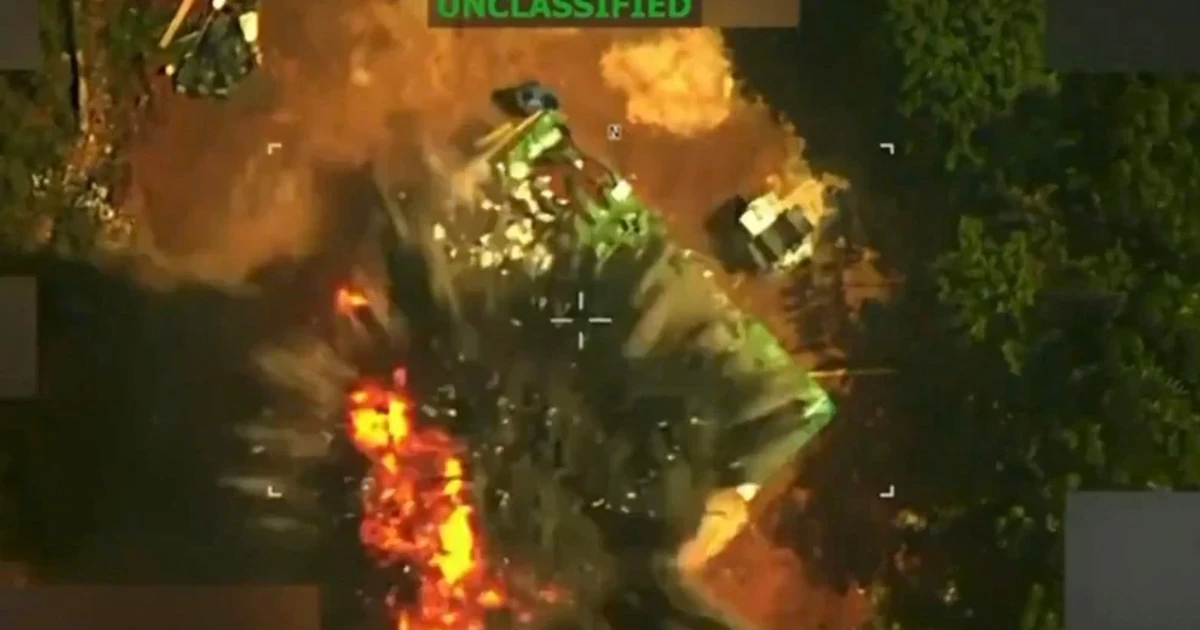
President Donald Trump said a U.S. military strike killed Héctor Rusthenford Guerrero Flores, the man known as Niño Guerrero and the alleged leader of Tren de Aragua, in Venezuela. Trump called it a “swift and lethal kinetic strike” and said U.S. Southern Command carried it out.
The claim arrived Friday night, June 12, 2026, as the administration deepened its campaign against a Venezuelan gang that has become a central target of Trump’s immigration and anti-crime agenda. Multiple reports said the operation involved U.S. Southern Command, and some said it was carried out with assistance from the Venezuelan government.
Tren de Aragua has already been defined by the U.S. government as more than a street gang. The State Department designated it as a Foreign Terrorist Organization and a Specially Designated Global Terrorist entity on February 20, 2025, while the Treasury Department had earlier labeled it a significant transnational criminal organization on July 11, 2024. That sequence gave the White House a terrorism and national-security frame for treating the group as a military target rather than only a law-enforcement problem.
The National Counterterrorism Center says Tren de Aragua spread beyond Venezuela by building international cells and exploiting vulnerable populations, especially Venezuelan migrants, to carry out its illegal operations. That profile has made the gang a potent symbol in the administration’s broader push to link border security, organized crime and counterterrorism, even as migrant communities are left to absorb the consequences of being cast in the middle of a transnational security fight.
The strike also followed an earlier U.S. attack in the southern Caribbean against a drug-carrying vessel from Venezuela that Trump said was operated by Tren de Aragua and killed 11 people. Taken together, the two operations signal a widening willingness to use American military force against a criminal network far beyond U.S. borders, raising harder questions about sovereignty, the reach of presidential war powers and the limits of treating organized crime as an armed enemy.
Sources
- [1]abcnews.com
- [2]reuters.com
- [3]state.gov
- [4]home.treasury.gov
- [5]odni.gov
- [6]cbsnews.com
- [7]nbcnews.com
- [8]apnews.com