World
Trump says U.S. will charge 20% fee on Strait of Hormuz cargo
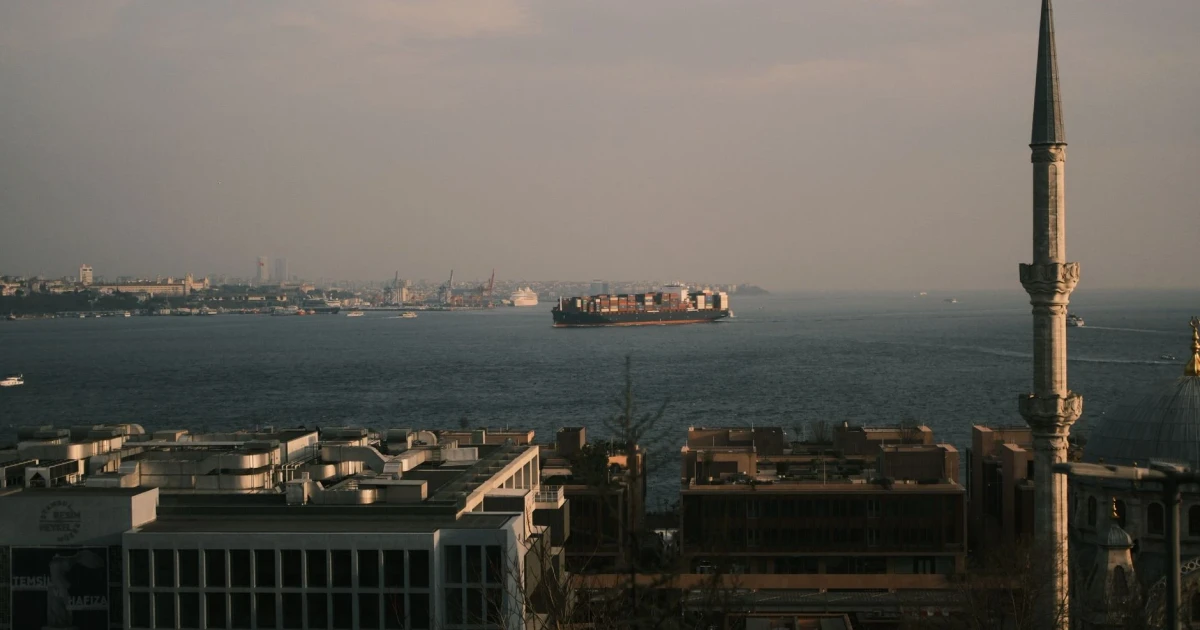
Trump said the United States would be known as "THE GUARDIAN OF THE HORMUZ STRAIT" and would charge 20% on all cargo shipped through the waterway, framing the plan as reimbursement for "providing safety and security." He said the U.S. would probably "run" the strait, a choke point between Iran, Oman and the United Arab Emirates that carries the main export flow for Saudi Arabia, the UAE, Kuwait, Qatar, Iraq, Bahrain and Iran.
The claim landed amid renewed U.S.-Iran strikes and a strait that was still operating under heavy strain, with traffic restricted and only a small number of vessels moving through. The United States and Iran have each asserted control over the passage after attacks spread across the wider Middle East, even as earlier June 2026 talks briefly reopened the waterway before later fighting put that arrangement back in doubt.
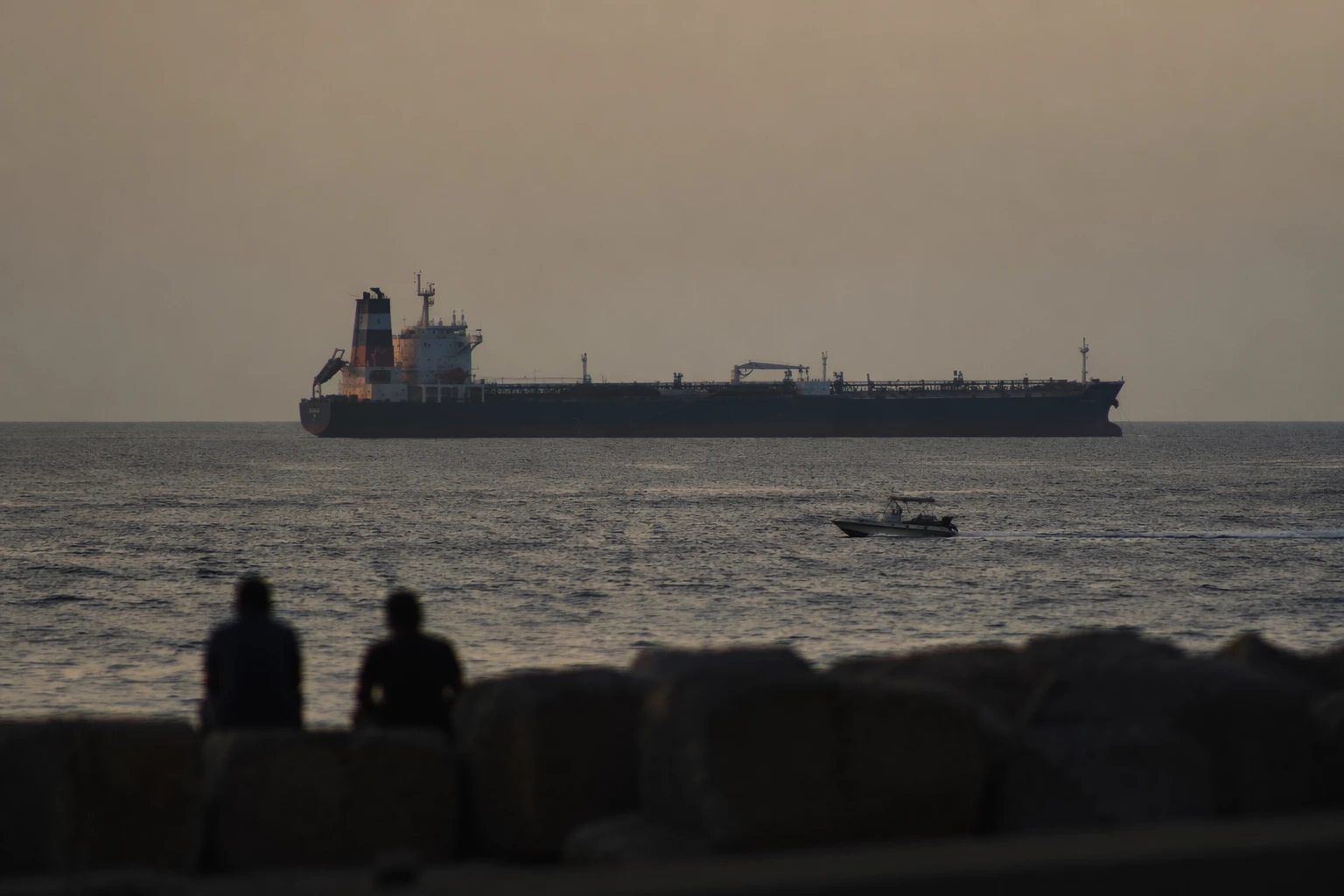
Turning transit through the Strait of Hormuz into a fee-based system could set a precedent that undermines international maritime law and freedom of navigation, while also inviting rival powers to make similar claims elsewhere. A tariff-like charge would also raise the practical question of collection: the cost would likely be passed down to shippers, oil traders and ultimately consumers buying fuel and goods tied to the route.
About 20 million barrels a day of oil flowed through the strait in 2024, roughly 20% of global petroleum liquids consumption, and about one-fifth of global liquefied natural gas trade also moved through it, mainly from Qatar. The U.S. Energy Information Administration also said flows through the strait accounted for more than one-quarter of total global seaborne oil trade in 2024 and the first quarter of 2025.
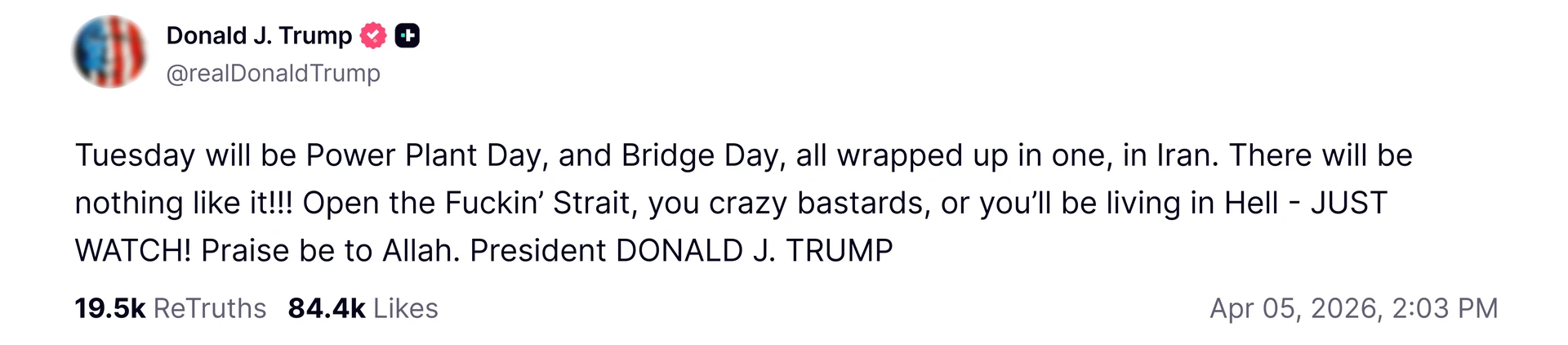
Markets reacted immediately. Oil prices rose after Trump's remarks and stock indexes fell. Any prolonged disruption could tighten global supply, lift inflation and strain spare production capacity, much of it in Saudi Arabia. The International Energy Agency warned that a longer shutdown could threaten most of the world's spare oil output.
Sources
- [1]cbsnews.com
- [2]cnbc.com
- [3]eia.gov
- [4]iea.org
- [5]apnews.com
- [6]cfr.org
- [7]justsecurity.org