World
Trump says U.S. will license Ukraine to produce Patriot interceptors
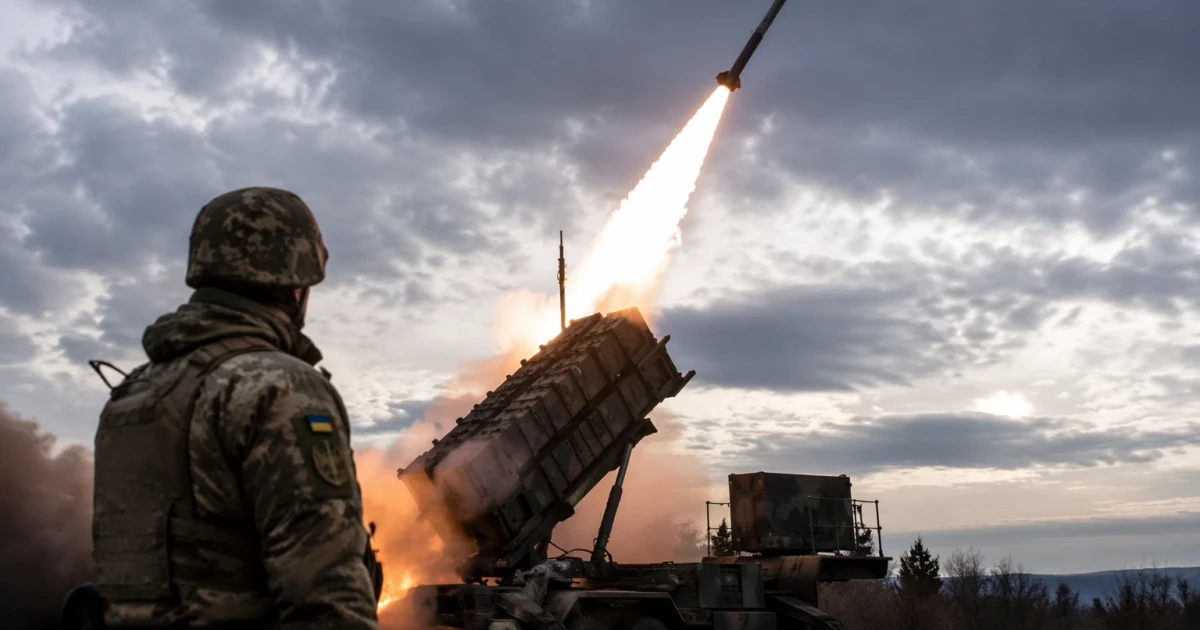
President Donald Trump said the United States will grant Ukraine a license to produce Patriot interceptor missiles, a move that would put Kyiv in the same category as Germany and Japan, which already have U.S. permission to build the American interceptors. He made the pledge to Volodymyr Zelenskyy at the NATO summit in Ankara, Turkey, as Ukraine's air defenses remained under intense pressure from Russian ballistic missile and drone attacks.
The promise lands in a military supply chain already stretched thin. Ukraine depends on Patriot batteries as its primary shield against ballistic missiles, but the size of its interceptor stockpile is classified and not publicly known. In April 2026, RTX subsidiary Raytheon won a $3.7 billion contract to supply Ukraine with Patriot Advanced Capability-2 GEM-T interceptors, a sign of the scale of demand and the difficulty of keeping pace with battlefield use.
That is where the gap between political commitment and industrial output becomes clear. Licensing Ukraine to build the missiles would not by itself create immediate extra supply. Germany, which already has the same basic permission, has been building domestic Patriot production lines, yet German Major General Christian Freuding said the first deliveries from those facilities would come no earlier than late 2026 and possibly early 2027. Even when production is approved, tooling, quality control, supply contracts and export rules can slow the path from paper authorization to usable interceptors.
Japan offers the same warning in a different form. It is already licensed to build Patriot interceptors, showing that technology transfer is possible inside the U.S. alliance system, but the arrangement also underscores how tightly controlled the system remains. The fact that only a few allies have this permission highlights how long it can take to move from political approval to sustained manufacturing, especially for a missile that sits at the center of high-end air defense.
Ukraine has pressed for its own production capability to reduce dependence on direct U.S. deliveries and ease shortages driven by Russia's sustained attacks. Trump’s pledge opens the door to that ambition, but the real test will be whether Kyiv can secure machinery, components, testing capacity and export approvals fast enough to turn a license into missiles before the next wave of strikes.
Sources
- [1]nytimes.com
- [2]breakingdefense.com
- [3]militarnyi.com
- [4]armyrecognition.com
- [5]twz.com
- [6]politico.eu