Politics
Trump Seeks Broader Support in State of the Union Speech
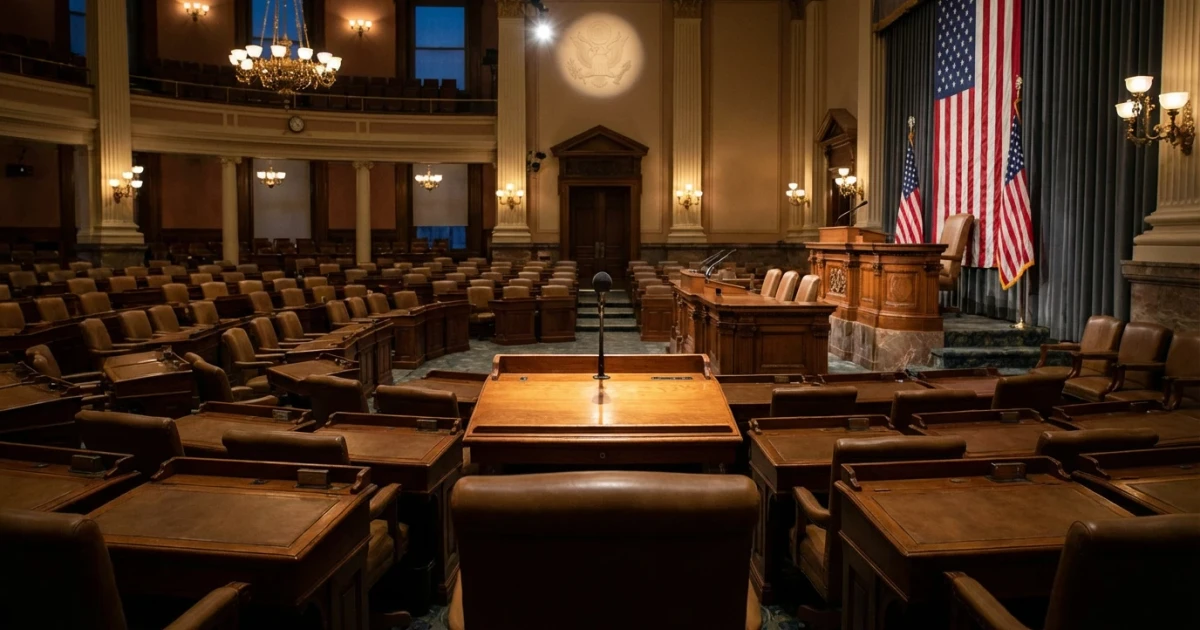
Donald Trump is expected to deliver a State of the Union address that aims to broaden his appeal to voters who were skeptical during the recent midterm elections. As reported by PBS, Trump’s speech will seek to address concerns from swing voters and independents, emphasizing themes designed to resonate beyond his core supporters.
Addressing Voter Concerns After the Midterms
The latest midterm election data showed a diverse and engaged electorate, with turnout rates reflecting deep voter interest and division. Trump’s upcoming address, according to PBS, is crafted with the lessons of the midterms in mind, where many voters expressed skepticism about partisan gridlock and the direction of national policy.
Focusing on National Priorities
Trump’s team is reportedly focusing the address on issues identified as top priorities for voters, such as the economy, healthcare, and national security. Pew Research Center analysis shows that inflation, job growth, and affordable healthcare consistently rank among the highest concerns for Americans, regardless of party affiliation.
- Economic concerns remain at the forefront, with voters looking for concrete plans on inflation and job creation.
- Healthcare access and affordability are persistent issues, especially among swing voters who cite policy uncertainty as a barrier to support.
- National security, including border control and global engagement, is also expected to feature in Trump’s remarks.
Bipartisan Messaging and Outreach
PBS notes that Trump’s speechwriters have worked to include language that acknowledges the achievements and concerns of both parties, a notable shift from his previous addresses. This approach mirrors the longstanding tradition of using the State of the Union to set a unifying national agenda and to influence public opinion.
By reaching out to moderate and independent voters, Trump is seeking to bridge divides and set the stage for potential legislative cooperation. However, analysts caution that the effectiveness of such appeals often depends on follow-up actions and bipartisan engagement after the speech.
Historical Context and Public Impact
The State of the Union address is a constitutionally mandated opportunity for the president to outline priorities and propose legislative goals. An archive of past addresses illustrates how presidents have used this platform to reset their agendas and respond to public sentiment, particularly following contentious elections.
Voter Demographics and Turnout
Trump’s focus on skeptical voters reflects insights from recent voter turnout by demographic analyses. Younger voters, suburban residents, and minorities have shown increasing influence in swing districts, prompting both parties to adapt their messaging. PBS highlights that Trump’s advisers are particularly attentive to these groups, as their support could prove decisive in future contests.
Looking Ahead
As Trump prepares to deliver his address, both supporters and critics will be watching for signals of his willingness to work across party lines and address the concerns of a divided electorate. The effectiveness of his outreach to skeptical midterm voters will likely shape not only his legislative agenda but also the tone of political debate in the months ahead.