Business
Trump seeks Western minerals bloc to counter China, faces G7 skepticism
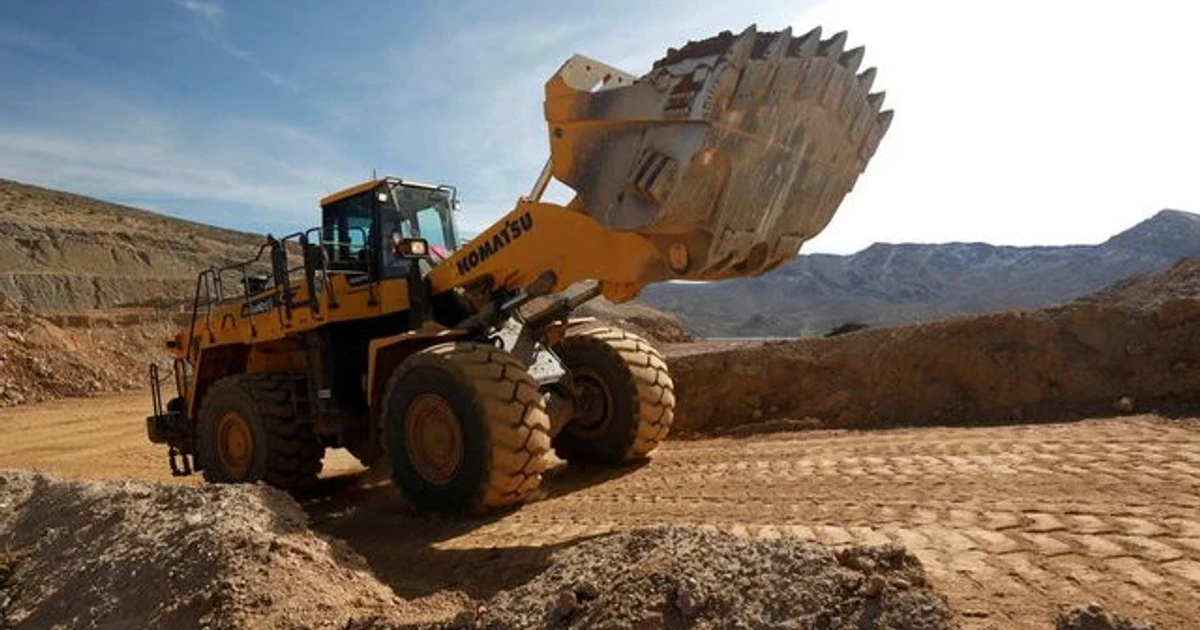
A push by the Trump administration to knit together a Western critical-minerals bloc ran straight into G7 skepticism in Évian-les-Bains, France, as allies questioned whether Washington’s plan could be funded, governed and enforced. The core dispute is practical: if the United States wants price supports, guaranteed purchases or subsidies to pull mineral supply chains away from China, who pays the premium and how far down the chain does the support go?
The stakes are large because China still dominates production of cobalt, lithium and nickel, minerals that sit inside semiconductors, computer servers, military systems and a wide range of industrial goods. That dominance has also let Beijing keep global prices low, squeezing Western miners and refiners and, in some cases, pushing them out of business. The administration’s bet is that a Western bloc could change those incentives by creating reliable demand for non-China output, not just for ore, but for processing, refining and recycling capacity as well.
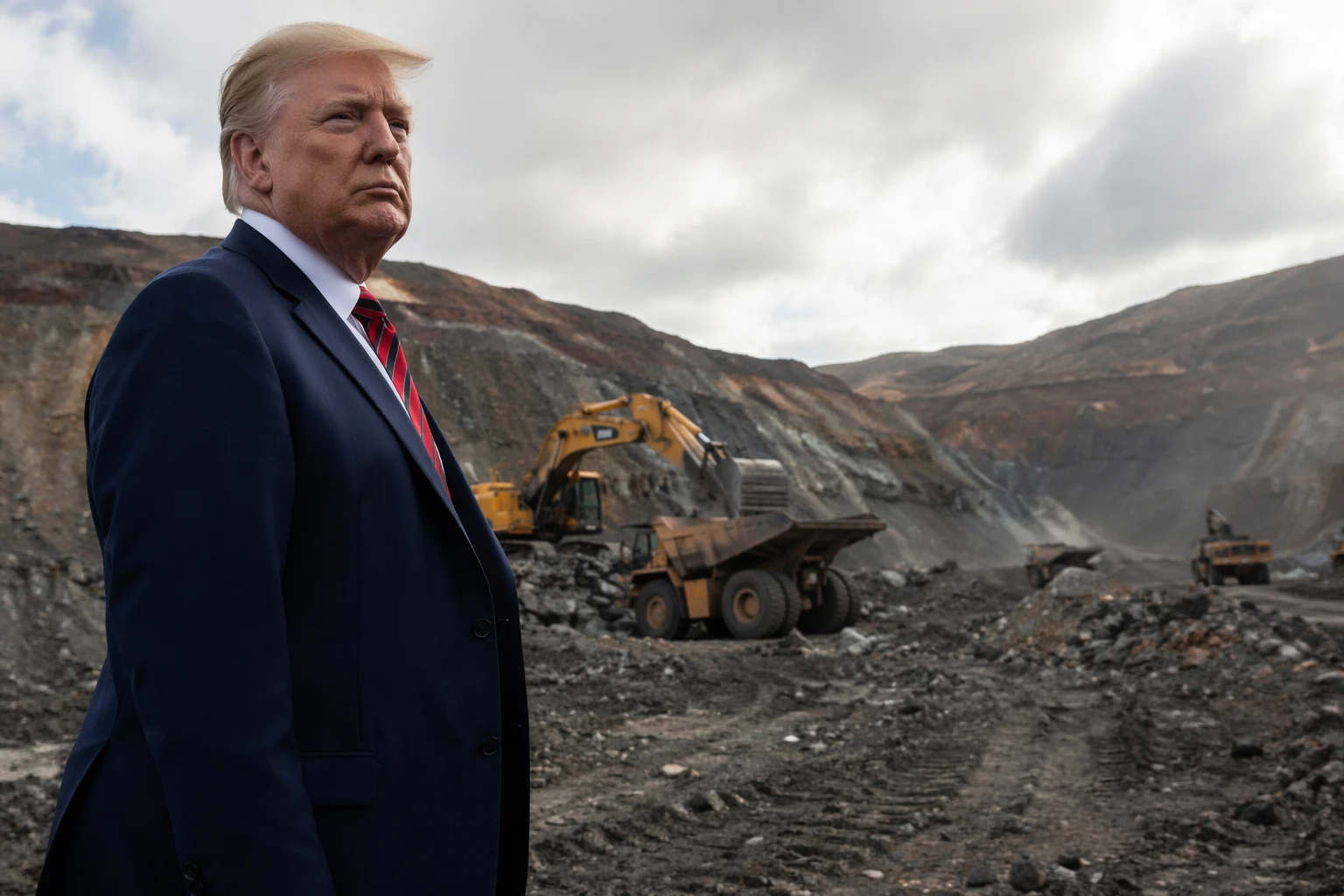
The effort has already moved through Washington, where the Office of the United States Trade Representative opened public comment on February 26 on a plurilateral Agreement on Trade in Critical Minerals and related policy actions. The Federal Register notice said the goal was to generate demand for market-based production and accelerate the buildout of market-based supply. More than 230 public submissions followed, exposing a split not only among trading partners but inside the U.S. mining industry itself over price controls, tariffs and incentives.
One of the more contentious proposals is an adjustable tariff regime meant to preserve pricing integrity, alongside a pricing scheme that may have drawn on a Pentagon artificial intelligence model. European officials have cooled on that approach, and they are especially uneasy about underwriting premiums for higher-cost supply or extending subsidies too far down the chain. The European Commission, Japan and the United States have said they intend to develop Action Plans for critical-minerals supply-chain resilience, including mechanisms such as border-adjusted price floors, but the governance question remains unsettled.
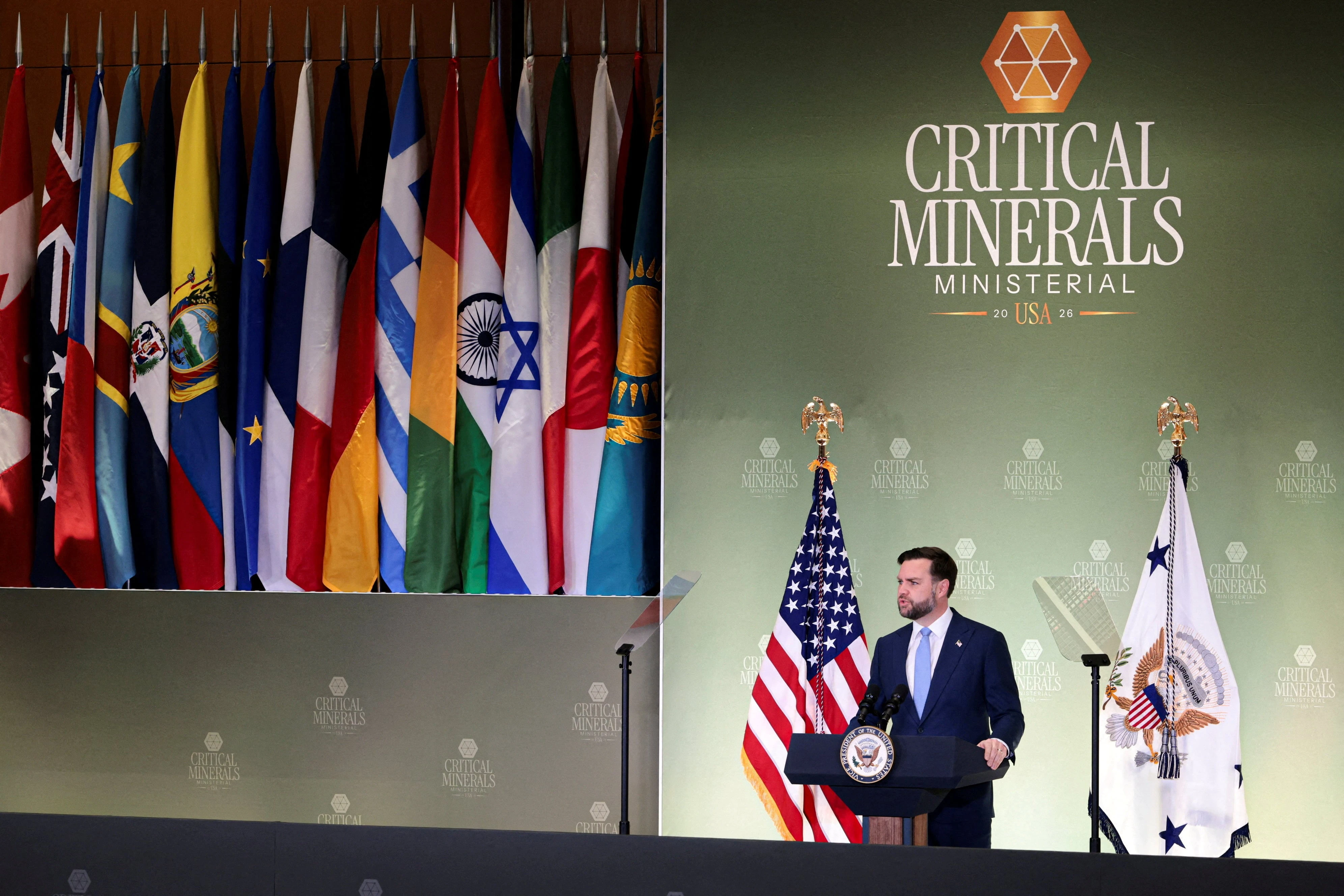
The diplomacy has broadened beyond the G7 summit. France has pushed critical minerals as one of the concrete deliverables of its G7 presidency, and G7 trade ministers met in Paris on May 5-6 to discuss supply-chain security and the durability of the 2025 G7 Critical Minerals Action Plan. Washington has also already announced U.S.-Mexico and U.S.-Japan critical-minerals plans, showing that the push is part of a wider effort to redesign how the West buys, prices and stockpiles strategic raw materials. For now, the test is whether allies will commit real money to the project, and whether that money can actually secure supply outside China.
Sources
- [1]usnews.com
- [2]ustr.gov
- [3]federalregister.gov
- [4]mining.com