World
Trump Sends Conflicting Signals on Iran Amid Policy Shifts
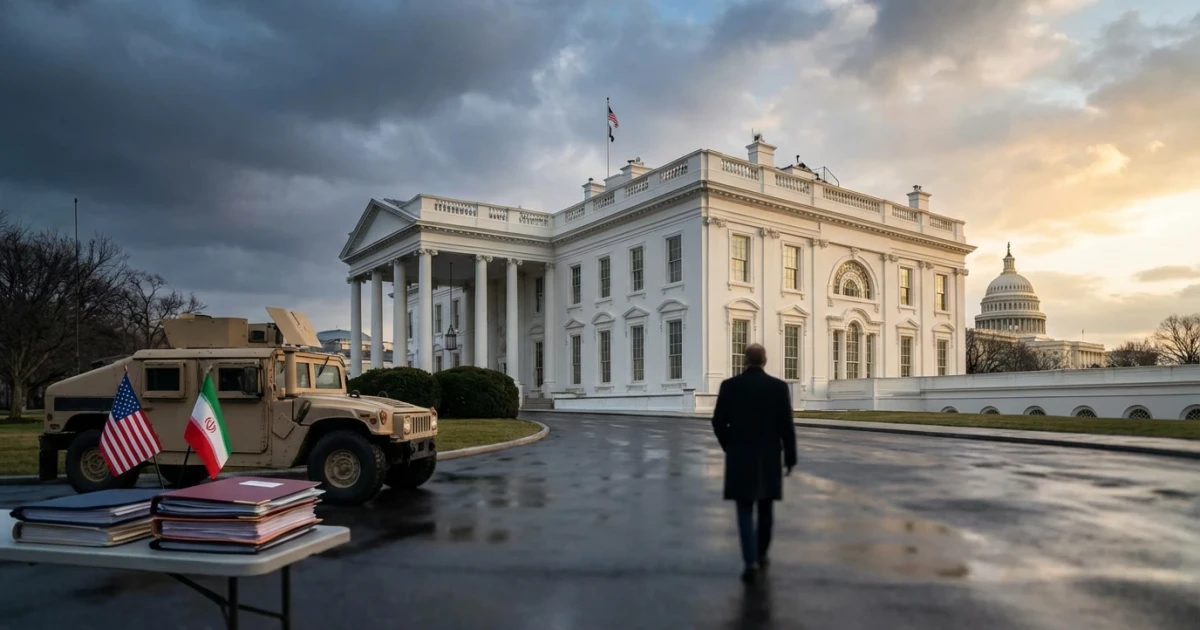
President Donald Trump’s recent actions on Iran reveal a policy at a crossroads, as his administration simultaneously discusses de-escalation, relaxes certain sanctions, and deploys more American forces to the region.
Balancing Rhetoric and Military Posture
In recent weeks, Trump has publicly emphasized his intent to “wind down” America’s military engagement with Iran. AP News reports that these statements have been matched with limited moves toward loosening some sanctions imposed on Tehran. Yet, these overtures come as the Pentagon authorizes the deployment of additional U.S. troops to the Middle East, a decision detailed in the official statement from the Department of Defense. This dual-track approach has sparked criticism from both opponents and allies, who see the administration’s strategy as inconsistent.
Sanctions: Pressure and Partial Relief
Under Trump, the United States has implemented some of the toughest sanctions on Iran in history, targeting its energy sector, banking system, and military procurement lines. In recent weeks, however, the administration has eased some restrictions in what officials suggest is an effort to encourage dialogue and reduce tensions. The Council on Foreign Relations notes that the U.S. has occasionally exempted humanitarian goods and relaxed certain trade limitations as a diplomatic gesture, even as core sanctions remain in place. The OFAC Specially Designated Nationals List continues to include a broad array of Iranian entities and officials, reflecting ongoing economic pressure.
Troop Deployments and Regional Security
Despite talk of de-escalation, the Trump administration recently authorized the deployment of additional U.S. troops to the Middle East, citing the need to protect American interests and allies in the wake of increased tensions. According to the Pentagon’s official release, the decision is meant to enhance force protection and deter Iranian-backed threats. The Congressional Research Service has previously highlighted how such deployments fit into a broader U.S. strategy of forward presence and deterrence in the Gulf, even as public statements focus on avoiding a wider war.
- Sanctions relief has been limited and targeted, with humanitarian and medical items seeing the most exemptions.
- Troop increases have occurred even as the administration claims to be reducing involvement in the region.
- Iran’s response has included both rhetorical defiance and calls for an end to economic pressure, according to the latest U.S. State Department terrorism report.
Political Reactions and Perceptions
AP News describes growing frustration within the Trump administration as critics argue the president is sending mixed signals. The memo cited by AP News suggests that these ambiguities fuel perceptions of an administration struggling to maintain control of its Iran policy. Some analysts contend that the shifting approach reflects divisions within the administration itself, with hawkish advisers favoring maximum pressure and others pushing for diplomatic engagement.
Impact on U.S.-Iran Relations
The practical effects of these policy shifts are still unfolding. While targeted sanctions relief may offer openings for dialogue, ongoing military deployments and economic pressure continue to strain relations. The U.S. Government Accountability Office has found that sanctions have significantly impacted Iran’s economy, reducing oil exports and constraining government revenues. Meanwhile, U.S. trade with Iran remains minimal, as shown in Census Bureau data.
Looking Ahead
As President Trump navigates pressure at home and abroad, the future of U.S. policy on Iran remains uncertain. The simultaneous pursuit of de-escalation, sanctions relief, and military deterrence underscores the complexity of the challenge. Analysts and lawmakers alike will be watching closely to see whether the administration’s approach leads to meaningful diplomatic progress or further instability in the region.