Politics
Trump Shares Meme Depicting Democrats in Sombreros
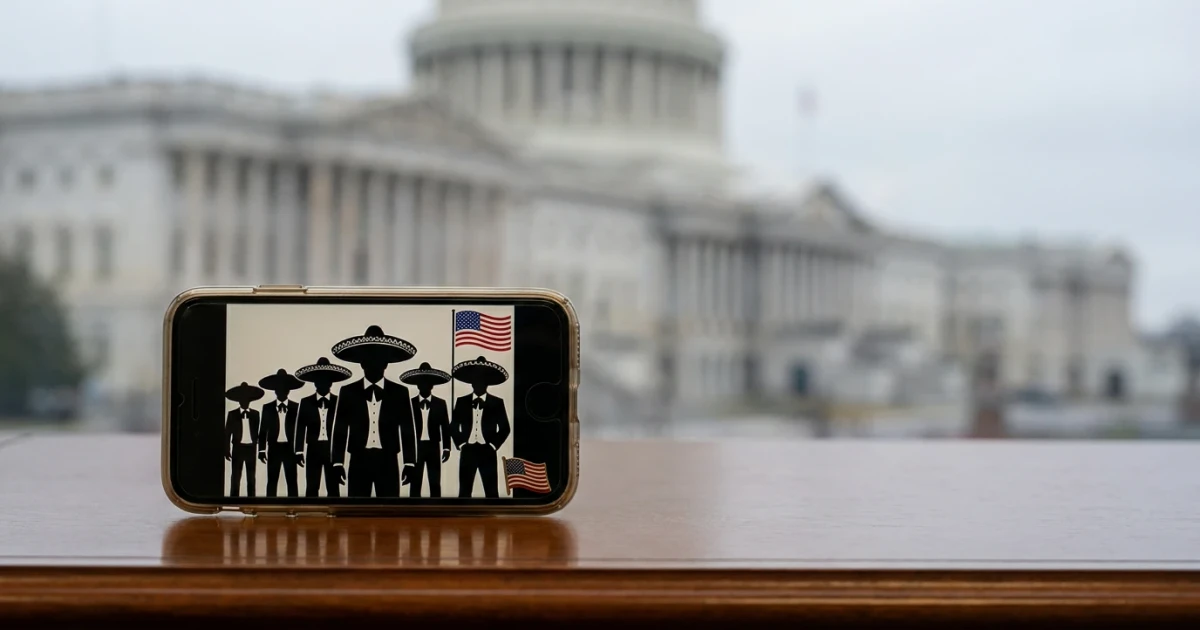
Former President Donald Trump ignited controversy this week after posting a meme featuring top Democratic leaders wearing sombreros, a gesture that has prompted wide-ranging reactions across the political spectrum and renewed discussions on the role of social media in shaping political discourse.
The Meme and Its Immediate Impact
The meme, shared by Trump on his social media platform, depicted several prominent Democratic figures with digitally added sombreros. The image quickly circulated online, sparking debate about its intent and impact. While some of Trump’s supporters saw the post as a satirical jab at his political opponents, others condemned it as racially insensitive and perpetuating stereotypes.
Political Symbolism and Racial Stereotypes
This latest meme is not an isolated incident in American politics, where visual gags and memes are frequently used to mock adversaries. However, the use of sombreros—a symbol closely associated with Mexican and broader Hispanic culture—has raised questions about the boundaries between humor and the reinforcement of harmful stereotypes. According to U.S. Census data, the Hispanic or Latino population represents nearly 19% of the nation’s total, making the cultural implications of such imagery significant for millions of Americans.
- Political memes often blur the line between satire and offense, especially when cultural symbols are involved.
- Incidents involving racially charged imagery can contribute to broader discussions about representation and respect in political communication.
Reactions Across the Political Divide
Public reaction to Trump’s meme has been sharply divided, reflecting broader trends in political polarization. While some conservative voices defended the post as harmless political humor, Democrats and advocacy groups criticized it as inappropriate and disrespectful, particularly during a time of heightened sensitivity to issues of race and inclusion.
The Role of Social Media in Political Messaging
Trump’s use of memes is part of a larger pattern where politicians leverage social media to connect with supporters and frame their opponents. Research from the Pew Research Center shows that memes and viral content are increasingly central to political communication, often amplifying polarization and shaping public opinion. Platforms like Twitter, which have wide demographic reach as shown by Statista data, play a critical role in the rapid dissemination of such content.
- Memes can quickly reach millions, influencing perceptions and sparking national conversations.
- Social media enables public figures to bypass traditional media filters, but also increases the risk of spreading divisive or insensitive content.
Broader Implications and Context
The meme’s circulation comes amid ongoing debates about hate crimes and discrimination in the United States. While the meme itself does not constitute a hate crime, advocacy groups warn that repeated use of cultural stereotypes by influential figures can contribute to a climate of intolerance or misunderstanding. The episode also underscores the persistent challenges in balancing free expression with cultural sensitivity in the digital age.
Looking Ahead
As the 2026 election cycle heats up, observers anticipate that the use of memes and provocative imagery will remain a fixture of political strategy. Experts urge politicians to consider the broader impact of their messaging, especially when it touches on sensitive cultural or racial themes. For voters and social media users, the incident serves as a reminder to critically evaluate political content and seek out diverse perspectives in an increasingly fragmented media landscape.