World
Trump shifts focus to Hormuz as Iran ceasefire unravels
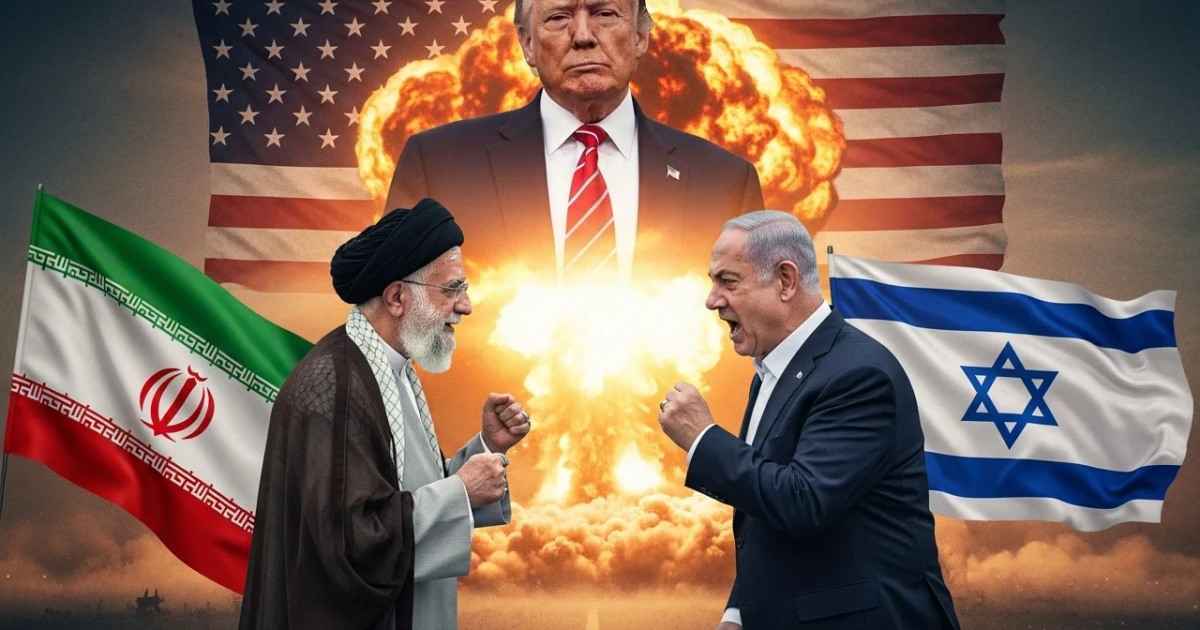
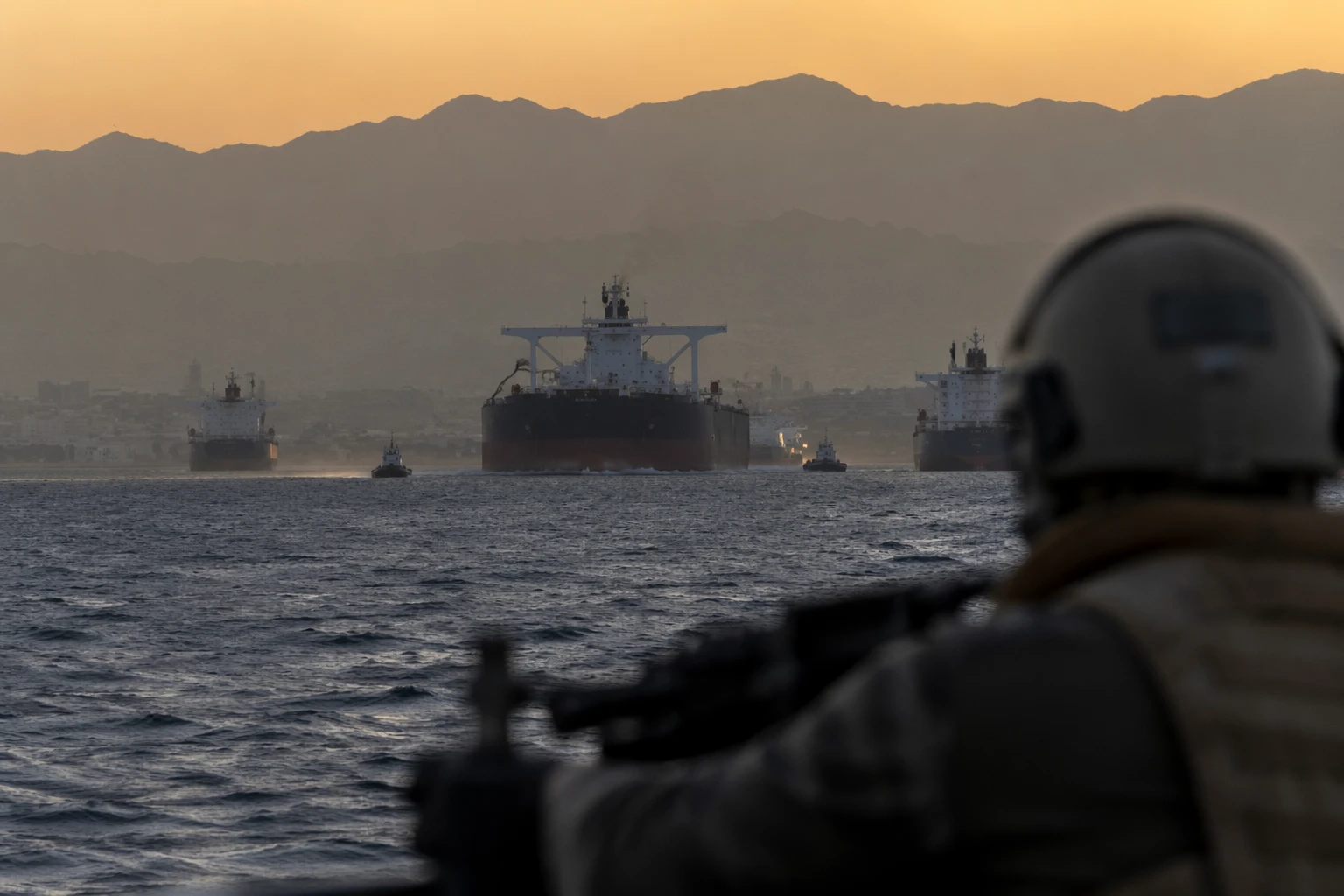
Donald Trump declared the ceasefire over on Wednesday and said negotiations were a waste of time, after Iran fired at least two missiles at commercial ships moving through the Strait of Hormuz. Two ships were significantly damaged but there were no casualties, and the U.S. military carried out fresh strikes in retaliation.
The White House was preparing for what could become a multi-day or even multi-week exchange of fire over the strait, and the length and severity of the campaign would depend on Tehran’s next moves.
The Strait of Hormuz sits between Oman and Iran and links the Persian Gulf with the Gulf of Oman and the Arabian Sea. In 2024, oil flows through the channel averaged about 20 million barrels a day, roughly 20% of global petroleum liquids consumption, per the U.S. Energy Information Administration. About one-fifth of global liquefied natural gas trade transited the strait in 2023, and Qatar alone exported about 9.3 billion cubic feet a day through it in 2024, per the agency.
There are very few alternative routes if Hormuz is shut, leaving oil producers and buyers with little slack in a crisis. Any prolonged disruption would hit Gulf states first, then ripple through shipping insurers, Asian importers and global fuel markets.
On June 14, the United States and Iran agreed to a framework extending their ceasefire for 60 days, with a formal signing ceremony expected the next day and nuclear talks to follow. That arrangement is unraveling as the fighting widens around the strait itself.
Washington has already been pressing Iran’s oil infrastructure through sanctions, including measures targeting oil networks, vessels and buyers. The U.S. Department of State is sanctioning an oil sales network that has facilitated the movement of tens of millions of barrels of Iranian oil.
Sources
- [1]news.google.com
- [2]axios.com
- [3]eia.gov
- [4]state.gov
- [5]usnews.com
- [6]iranintl.com