World
Trump shifts G7 focus back to Ukraine, Europe seeks support
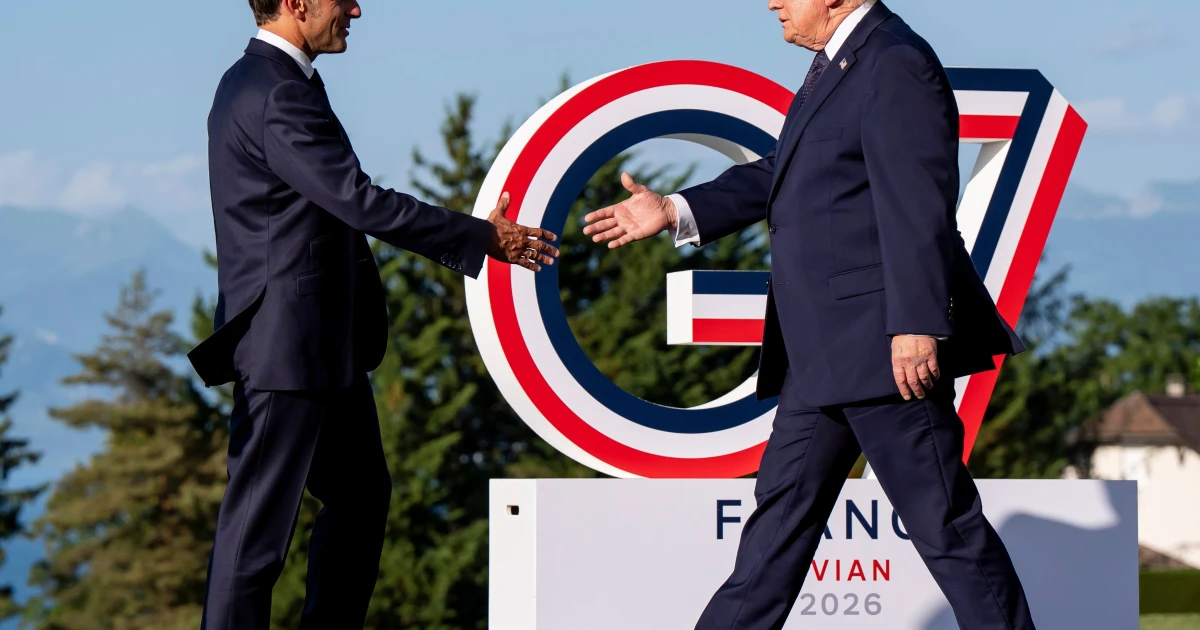
Trump’s blunt message at the Group of Seven summit in Évian-les-Bains, France, widened a fault line that has been building across the Atlantic for months: European allies cannot assume the United States will treat Ukraine and NATO security as fixed commitments. For governments that have depended on American protection for eight decades, his comments were a reminder that support for Kyiv may now have to be fought for, not taken for granted.
Ukraine returned to the summit agenda as Volodymyr Zelenskyy joined a morning working session with G7 leaders that lasted about 75 minutes, according to the French G7 presidency. Trump said Russia should make a peace deal with Ukraine and said he would do whatever he could to help end the war. He also said the conflict with Iran would soon be “back in the rearview mirror,” signaling a shift in focus after the summit’s opening hours had been dominated by the U.S.-Iran confrontation. Trump said he had spoken separately with Vladimir Putin and Zelenskyy on Sunday and was scheduled to meet Zelenskyy one-on-one at the summit.
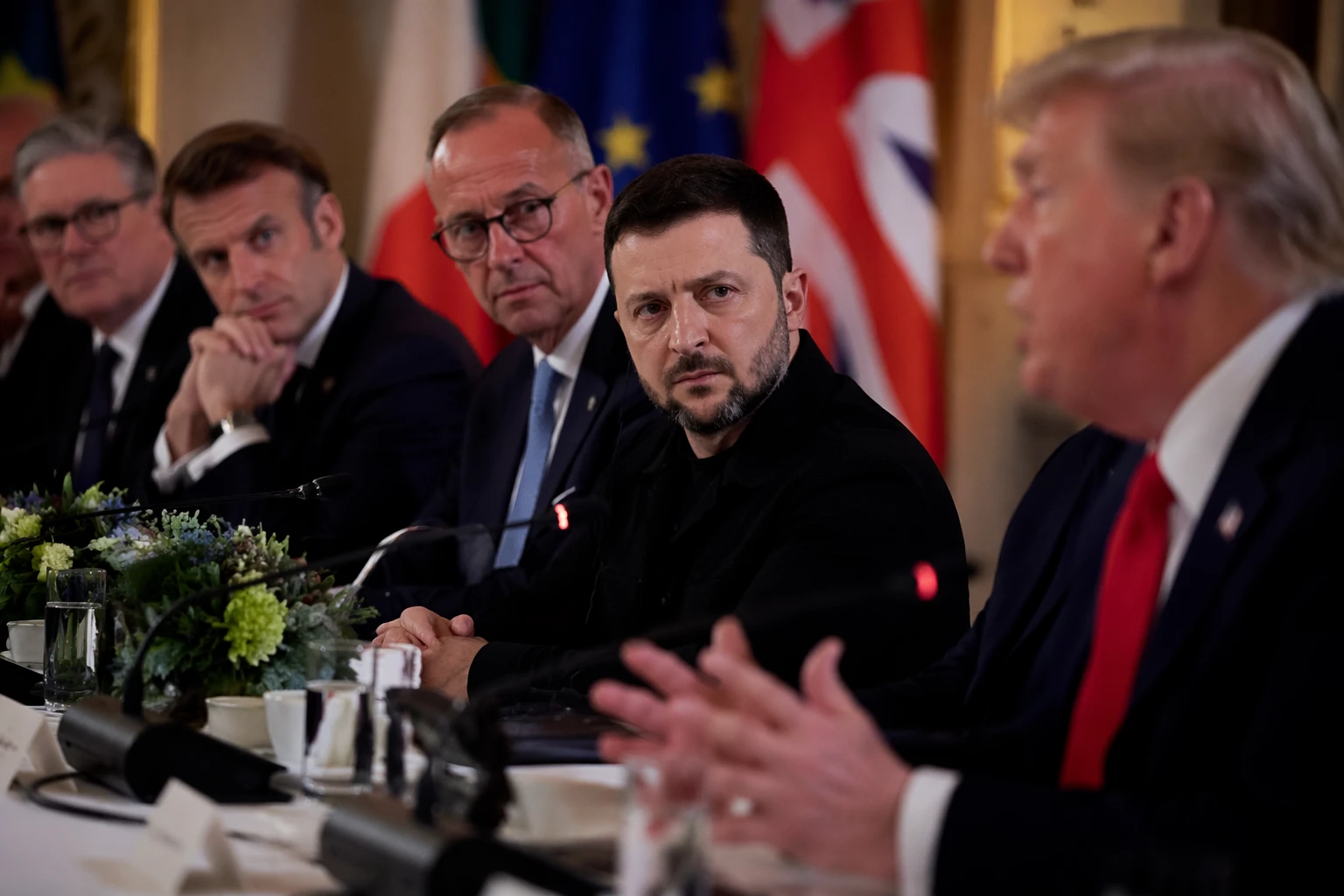
European leaders used the gathering to press Trump to keep Moscow under pressure. Emmanuel Macron said he would try to persuade Trump to maintain support for Ukraine, while Canada’s Mark Carney said the G7 was united behind Kyiv and that “the tide is turning” in Ukraine’s favor. Zelenskyy said the leaders agreed Russia was not winning the war and discussed additional sanctions to force Moscow to the negotiating table.
London moved first on that front. The British government announced a fresh round of sanctions targeting Russia’s shadow fleet and related finance networks used to evade Western restrictions, including vessels tied to liquefied natural gas shipments from the sanctioned Arctic LNG 2 project. British forces had also seized a Russian shadow fleet vessel in the English Channel the previous weekend, underscoring how European governments are tightening enforcement even as they seek a steadier American line.
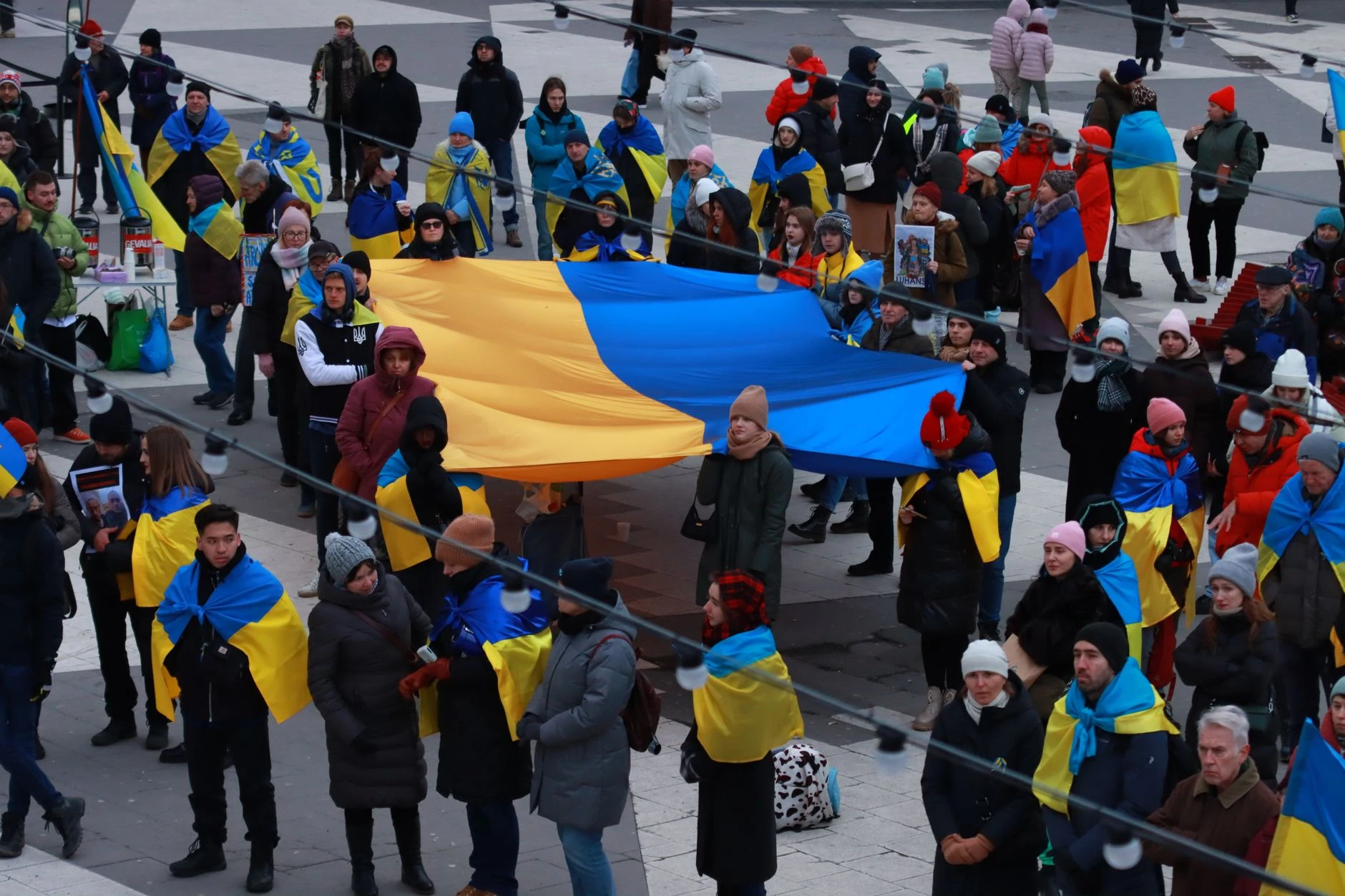
The urgency was sharpened by events on the ground in Ukraine. Russia launched hundreds of drones and dozens of missiles at major Ukrainian cities shortly before the summit, killing 11 people and setting fire to a religious landmark. Against that backdrop, the G7’s diplomacy was not an abstract exercise. It was a test of whether Europe can keep Washington engaged, sustain military aid for Kyiv and deter Moscow at a moment when the war is still escalating.
Sources
- [1]nytimes.com
- [2]wusf.org
- [3]cbc.ca
- [4]cnbc.com
- [5]apnews.com