World
Trump signals F-35 reset and sanctions relief for Turkey at NATO summit
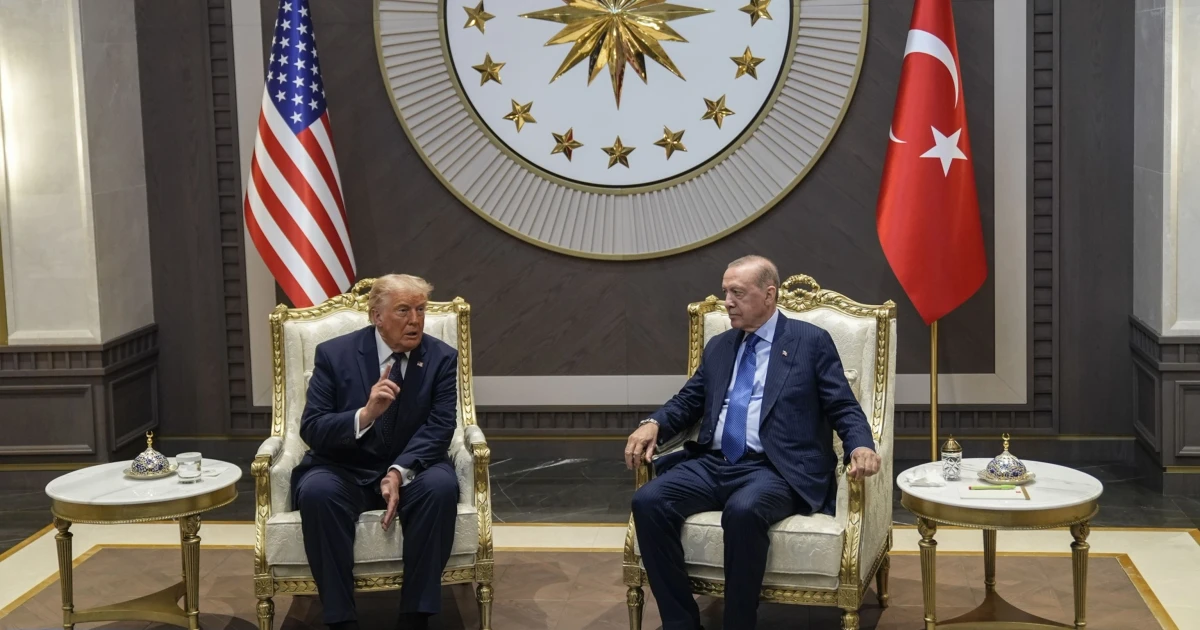
Trump used the NATO summit in Ankara to signal a possible reset with Turkey, even as he sharpened his criticism of other allies over defense spending and revived his feud with Spain and Greenland. On the summit’s final day, he planned to hold a news conference after a bilateral meeting with Turkish President Recep Tayyip Erdogan, putting a personal relationship at the center of a gathering that was supposed to project alliance unity.
Trump said the United States would “consider” allowing Turkey to buy F-35 fighter jets again, a notable shift after Washington removed Turkey from the program in 2019 when Ankara bought Russia’s S-400 air-defense system. U.S. Congress later passed legislation in 2020 effectively blocking F-35 transfers to Turkey. Trump also said, “We’re going to be taking the sanctions off,” and added, “It’s time. We don’t want to sanction friends.”
The overture gave Erdogan leverage at a summit where NATO leaders were focused on defense spending, support for Ukraine and the long-term threat from Russia. Turkey is NATO’s second-largest military, and Erdogan’s close relationship with Trump helped make Ankara one of the few capitals able to draw the U.S. president into a more conciliatory posture. That stood in contrast with Trump’s public pressure on other allies, which put strain on the alliance’s attempt to keep the meeting centered on collective defense.
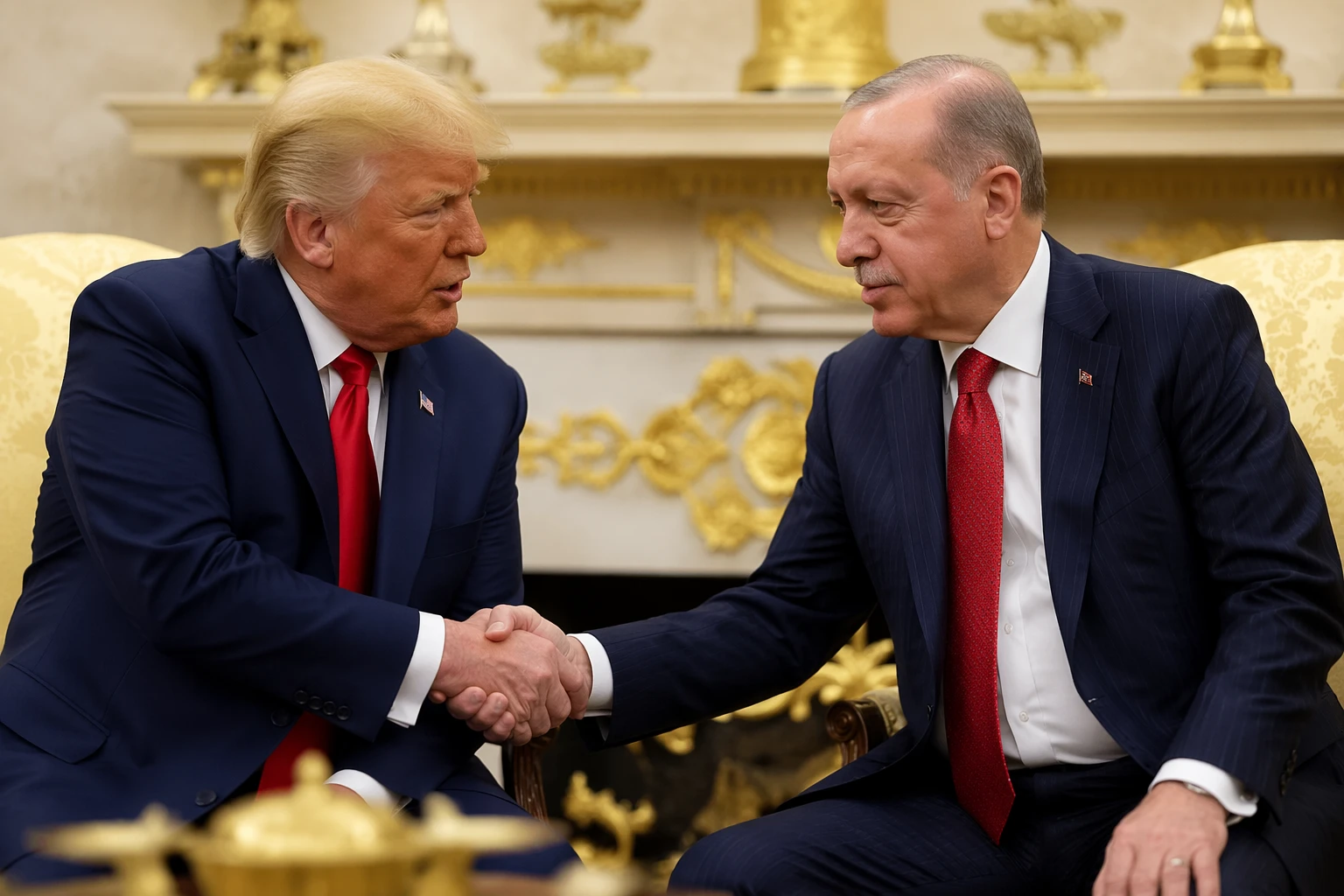
European leaders arrived in Ankara trying to persuade Trump to recommit to the military alliance after he reopened disputes over Iran and Greenland. Instead of easing the tension, Trump lashed out at NATO on Tuesday and singled out Spain, undercutting the feel-good atmosphere that alliance officials had hoped would carry the summit through its final sessions.
The outcome in Ankara underscored how much NATO’s internal balance can now turn on bilateral relationships as much as alliance consensus. For Turkey, the combination of a possible F-35 return, sanctions relief and Trump’s personal backing offered a rare opening after years of friction with Washington. For the alliance, it highlighted the limits of unity when the U.S. president treats select partners as favored interlocutors rather than equals inside the bloc.
Sources
- [1]cbsnews.com
- [2]reuters.com
- [3]politico.com
- [4]usnews.com