World
Trump signals openness to Iran keeping ballistic missile stockpile
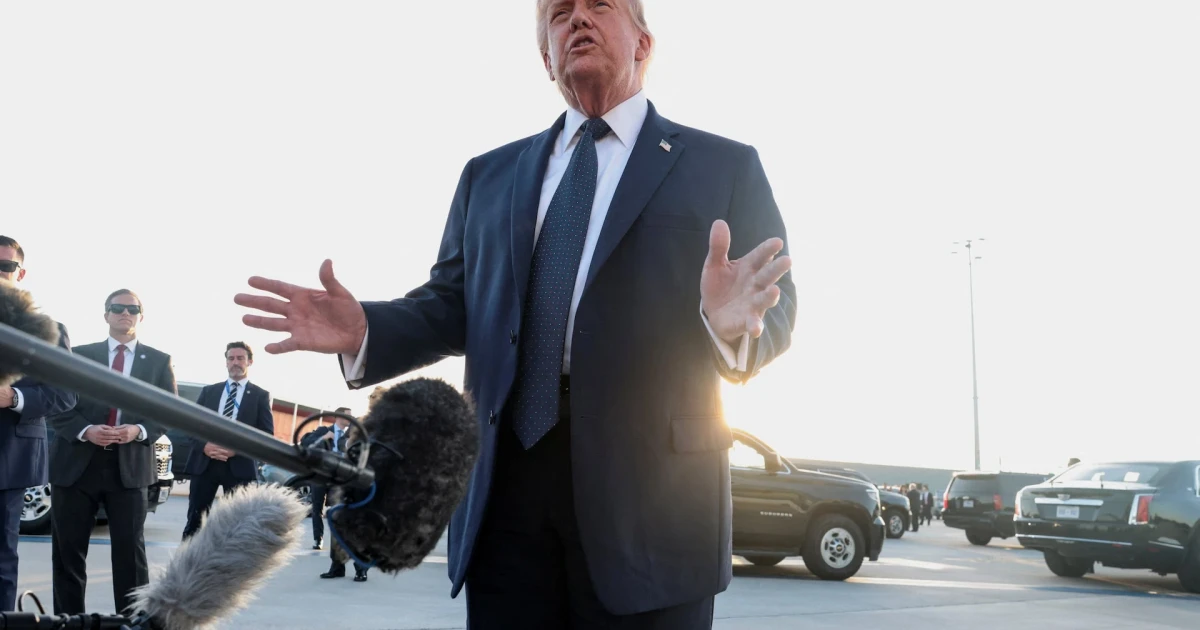
Donald Trump signaled a major shift in U.S. pressure on Iran, saying in Paris that it would be “unfair” to deny Tehran ballistic missiles if other countries in the region have them. He paired that opening with a hard line on nuclear weapons, saying Iran could not have one and warning he would bomb again if Tehran violates the agreement.
The comment came June 17, 2026, after the G7 summit, as Trump defended a newly announced interim U.S.-Iran deal. He argued that a ballistic missile is not the same thing as a nuclear weapon, and framed the accord as a way to avoid a broader regional blowup. Trump said he did not want an “economic catastrophe” and invoked Herbert Hoover, the president tied to the 1929 crash and the Great Depression, as he tried to sell the deal as a restraint on costs at home and abroad.
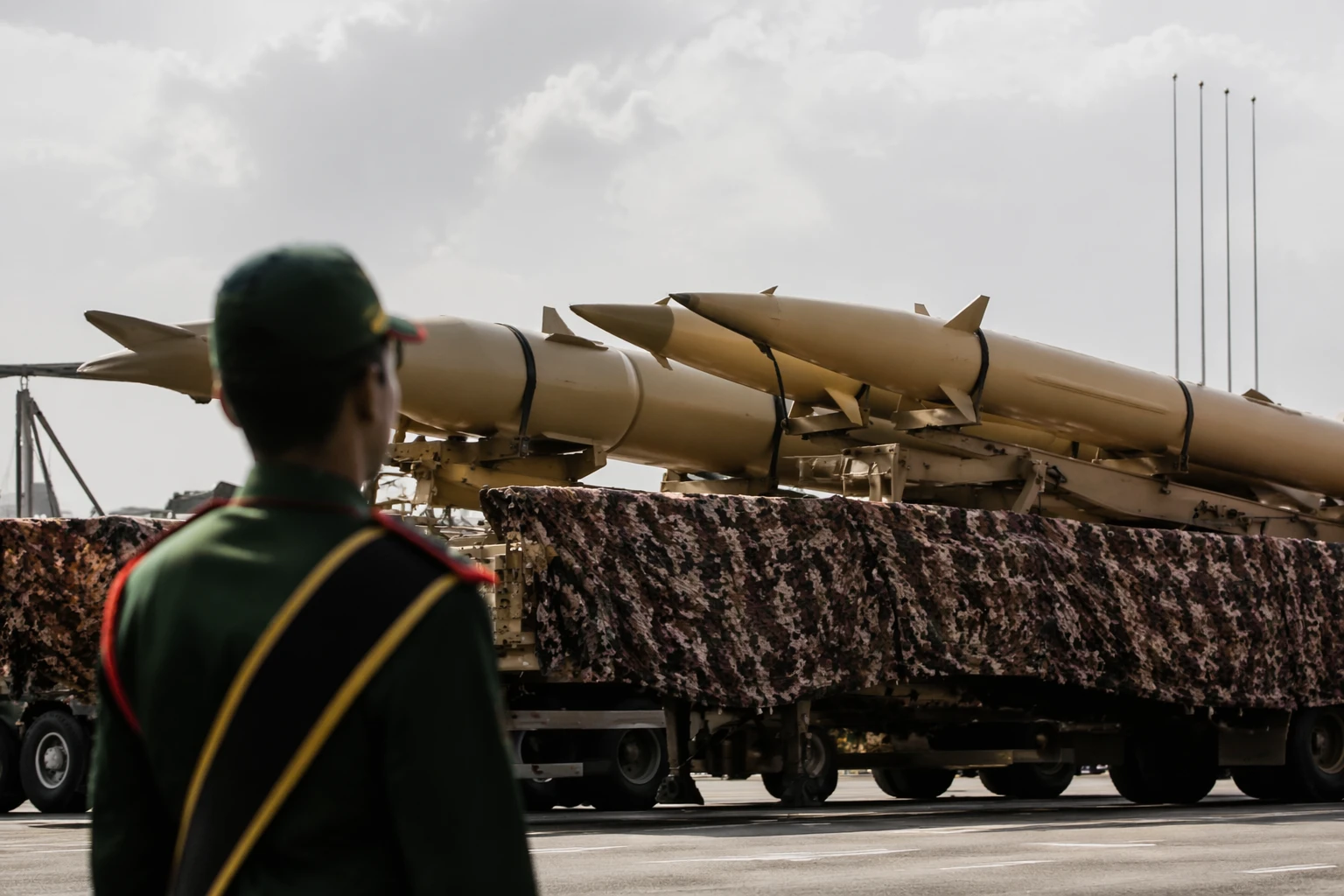
That posture marks a notable departure from the early war goals set by the United States and Israel. After U.S. and Israeli strikes on Iran began on February 28, 2026, the stated objectives included destroying Iran’s ballistic missile capabilities. Trump had previously warned that Iran’s missile work could eventually threaten the United States, treating it as part of the same security problem as the nuclear program.
Military assessments during the conflict said Iran’s launch capacity had already been degraded by sustained strikes, including the destruction of transporter-erector launchers. Against that backdrop, Trump’s willingness to tolerate a residual missile stockpile suggests Washington may now be moving from total disarmament toward damage limitation: nuclear constraints first, missile limits second, and regional stability as the immediate priority.
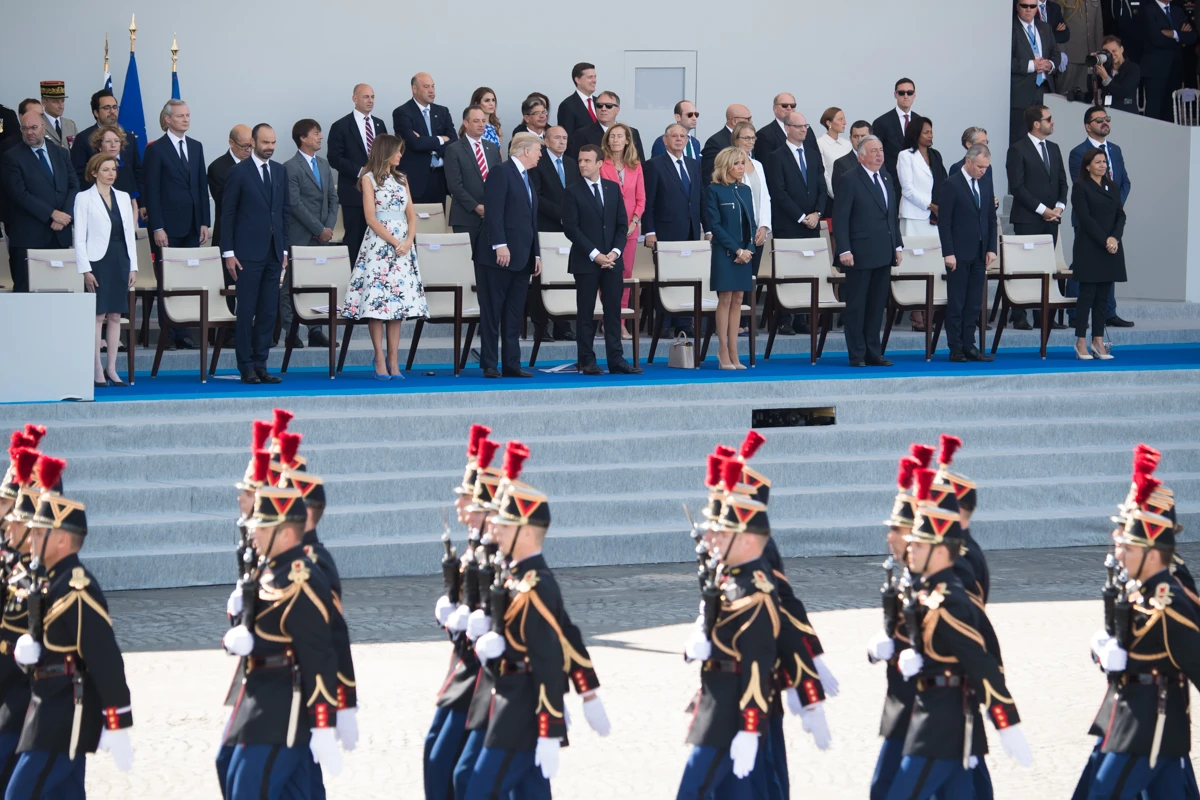
That is likely to alarm Israeli officials, who have pressed for a far tougher line on Iran’s military reach, and to unsettle Gulf allies who have long viewed Iranian missiles as a direct threat to energy infrastructure and urban centers. Hawks in Washington are also likely to read the comment as an improvisational concession that undercuts years of deterrence messaging, even as Trump insists the deal still protects core U.S. interests. The question now is whether this is a real doctrinal reset or a tactical line meant to justify a narrow truce after months of war.
Sources
- [1]abcnews.com
- [2]usnews.com
- [3]telegraph.co.uk
- [4]reuters.com
- [5]iiss.org