US News
Trump Signals U.S. Withdrawal Plans from Iran Conflict
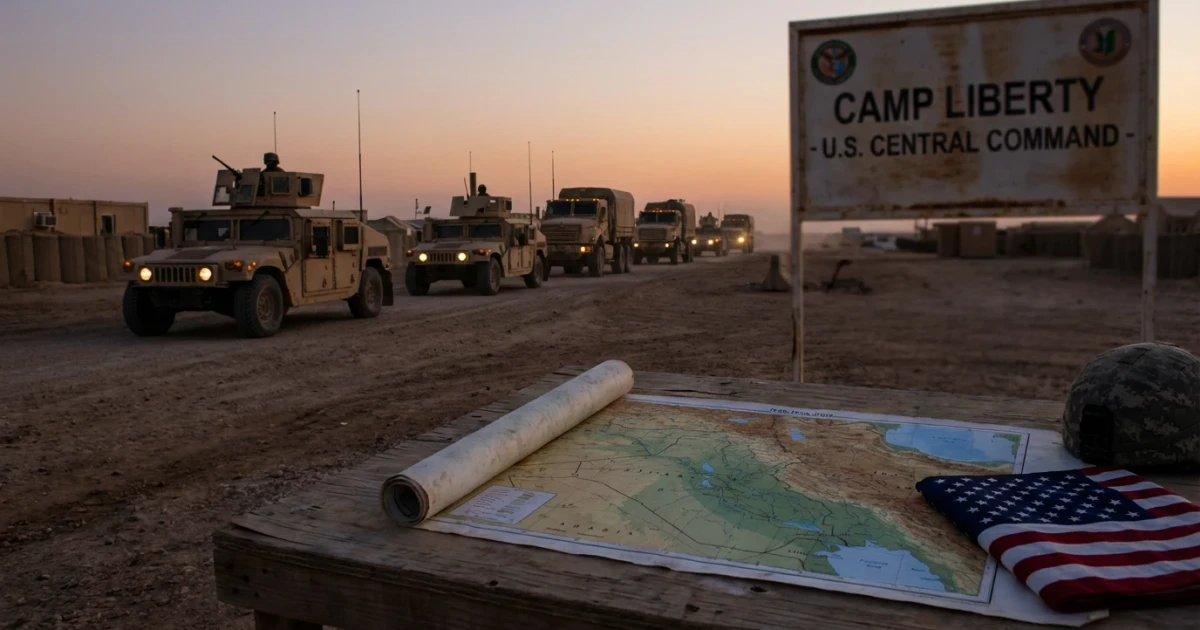
President Donald Trump has signaled that the United States may soon end its military involvement in the ongoing conflict with Iran, with comments suggesting a shift in U.S. policy towards winding down operations. Statements from the president, reported by both DW and The New York Times, indicate a desire to reduce the American military footprint in the region after years of engagement.
President Trump Hints at Troop Withdrawal
During recent remarks, President Trump said the U.S. would be "leaving soon," echoing earlier statements where he confirmed the administration is actively considering strategies to "wind down" the war. The New York Times reported that this consideration comes amid ongoing discussions within the White House and the Department of Defense about the timeline and logistics of a potential exit. While no concrete schedule was announced, both reports emphasized that the administration is seeking ways to end active U.S. involvement.
Background of the U.S.-Iran Conflict
The United States has maintained a significant military presence in the Middle East since the escalation of tensions with Iran, especially after the events of early 2020. According to the U.S. State Department, the conflict has involved direct and proxy engagements, affecting regional stability. The Congressional Research Service provides detailed analysis on Iran’s foreign and defense policies, noting increased Iranian capabilities and influence in neighboring countries.
- U.S. troop levels in the region have fluctuated since 2020, with periodic surges and reductions based on security assessments.
- The U.S. has imposed multiple rounds of sanctions and executive orders targeting Iran’s military and economic sectors.
- Regional partners have expressed concern about the potential consequences of a rapid U.S. withdrawal.
Policy Review and Future Scenarios
Both DW and The New York Times indicate that the Trump administration’s current stance is influenced by domestic and international pressures to reduce American casualties and military spending. Analysis from the Brookings Institution highlights ongoing competition for influence in Iraq and the broader region, suggesting that any U.S. withdrawal could shift the balance of power among regional actors.
Official statements have stopped short of specifying an exact timeline or operational details. However, the president’s remarks make clear that a significant policy shift is under consideration. The Department of Defense has not issued further public comment on troop redeployment or the security of remaining U.S. personnel and assets in the region.
International Reaction and Implications
Regional allies, including members of the Gulf Cooperation Council, are reportedly seeking clarification from U.S. officials about the scope and speed of any withdrawal. Meanwhile, security analysts warn that a premature exit could embolden Iranian-backed groups and lead to renewed instability, as documented in the State Department's terrorism reports.
At the same time, some U.S. lawmakers have voiced support for ending America’s military engagement, citing budgetary constraints and the need to refocus on domestic priorities. Others caution that an abrupt departure could undermine hard-won gains and jeopardize diplomatic efforts in the region.
Looking Ahead
While President Trump’s statements mark a potential turning point in U.S. policy toward Iran, significant questions remain about the implementation and consequences of a withdrawal. Policy experts recommend close monitoring of the situation, as any changes could have far-reaching effects on regional security and global oil markets. For a comprehensive overview of the evolving U.S.-Iran relationship, readers can explore the Council on Foreign Relations backgrounder and related policy documents.