World
Trump signals warmer stance on Ukraine at NATO summit
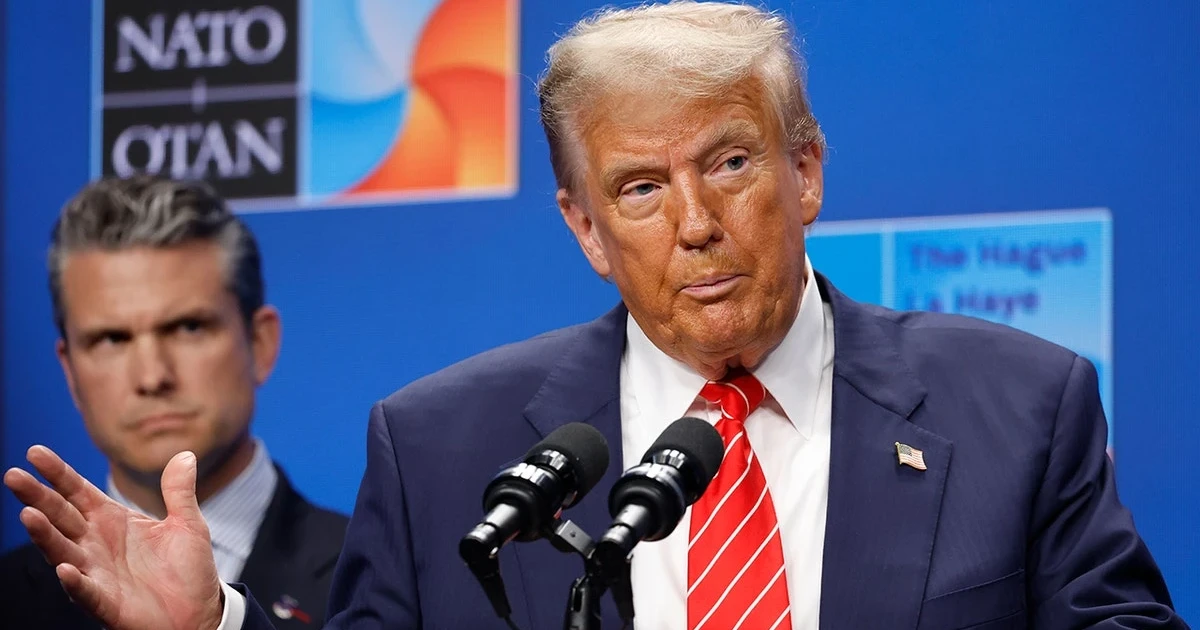
Donald Trump wrapped the NATO summit in Turkey on Wednesday sounding warmer toward Ukraine than he had in recent months, even as allies kept working toward a pledge to lift defense spending to 5% of GDP. The split-screen moment sharpened the question of whether Trump’s foreign policy is built around a consistent doctrine or a series of improvised moves.
On Iran, Trump had taken the harder line. The United States launched retaliatory strikes on Iranian targets after Iranian attacks on three commercial vessels in the Strait of Hormuz, and Trump said the United States was going to win the conflict “one way or the other” while Iran held a public funeral for its slain Supreme Leader Ali Khamenei. U.S.-Iran talks were paused during the funeral period, even as Trump and Iran had already reached a memorandum of understanding described as a 14-point framework rather than a fully detailed final nuclear deal. The biggest questions, including what would happen to Iran’s enriched uranium and nuclear program, were left unresolved.
Trump’s approach to the Russia-Ukraine war looked less settled but more open to pressure. He had recently spoken by phone with Vladimir Putin and Volodymyr Zelenskyy, with the calls centered on ending the war and on possible discussions at the G7 summit. During the call with Putin, Trump told the Russian president that the war in Ukraine needed to end. Zelenskyy later said he and Trump discussed what could help bring peace closer and said Ukraine’s position on the eastern front had improved and strengthened.
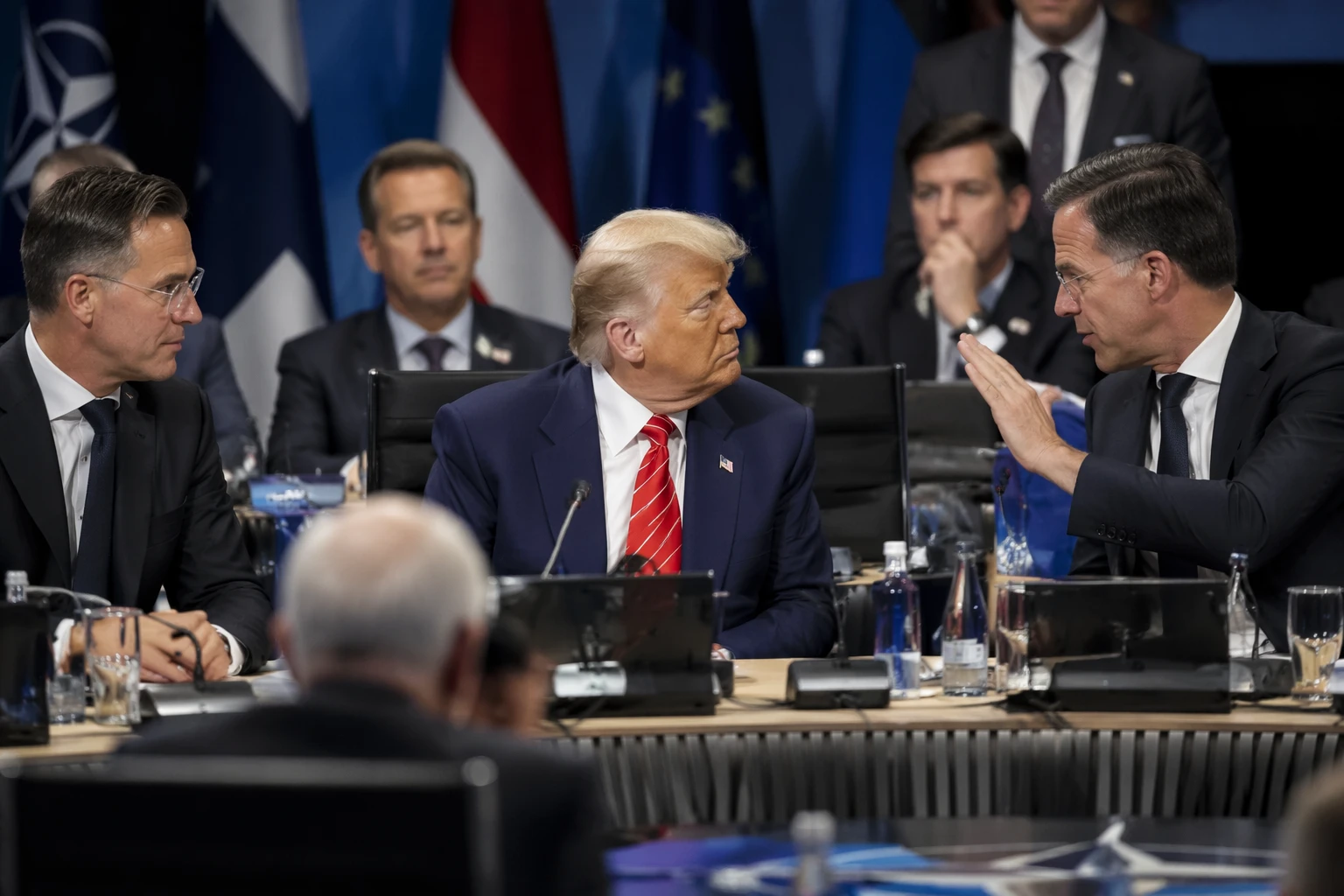
That shift mattered at NATO because the alliance is still debating how far to go on defense spending. Allies were discussing a goal of spending 5% of GDP on defense, a major issue for Trump, who has long criticized NATO members for spending too little and has repeatedly pressed them to do more. Mark Rutte and other alliance leaders have been trying to keep that effort aligned with broader support for Ukraine, even as Washington’s stance on Moscow remains central to the summit’s outcome.
The result is a foreign policy that can look forceful in one theater and flexible in another. With Iran under military pressure, Russia under diplomatic pressure and NATO under budget pressure, Trump left Turkey with allies still measuring which of those signals will define the next phase.
Sources
- [1]cbsnews.com