World
Trump signs 14-point Iran deal at Versailles dinner, easing sanctions
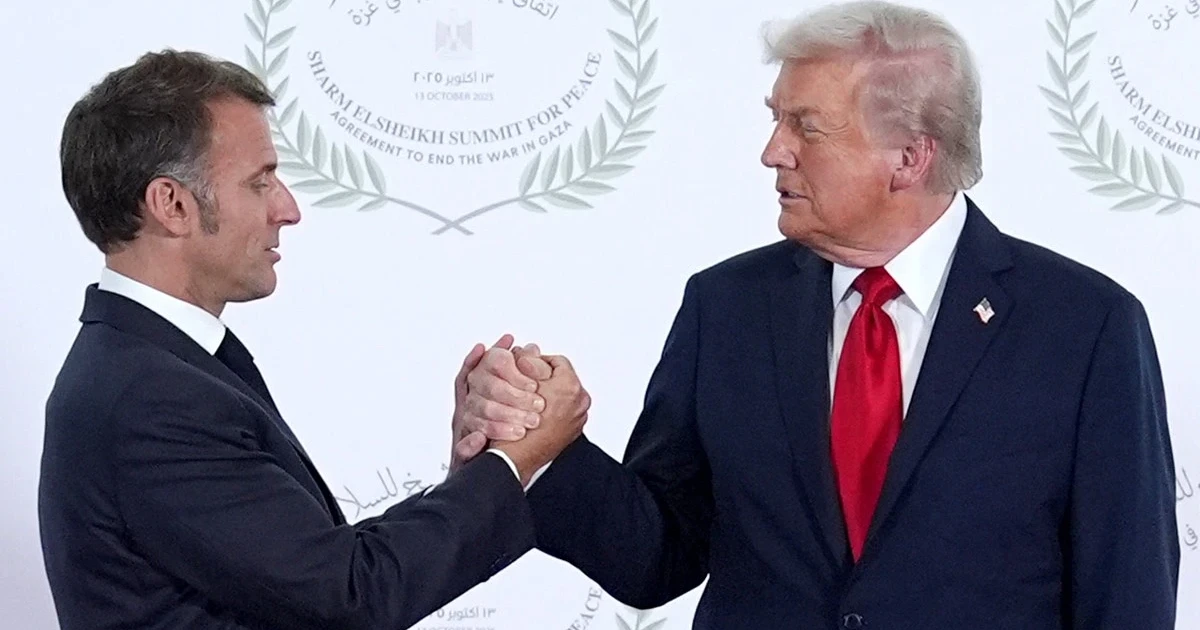
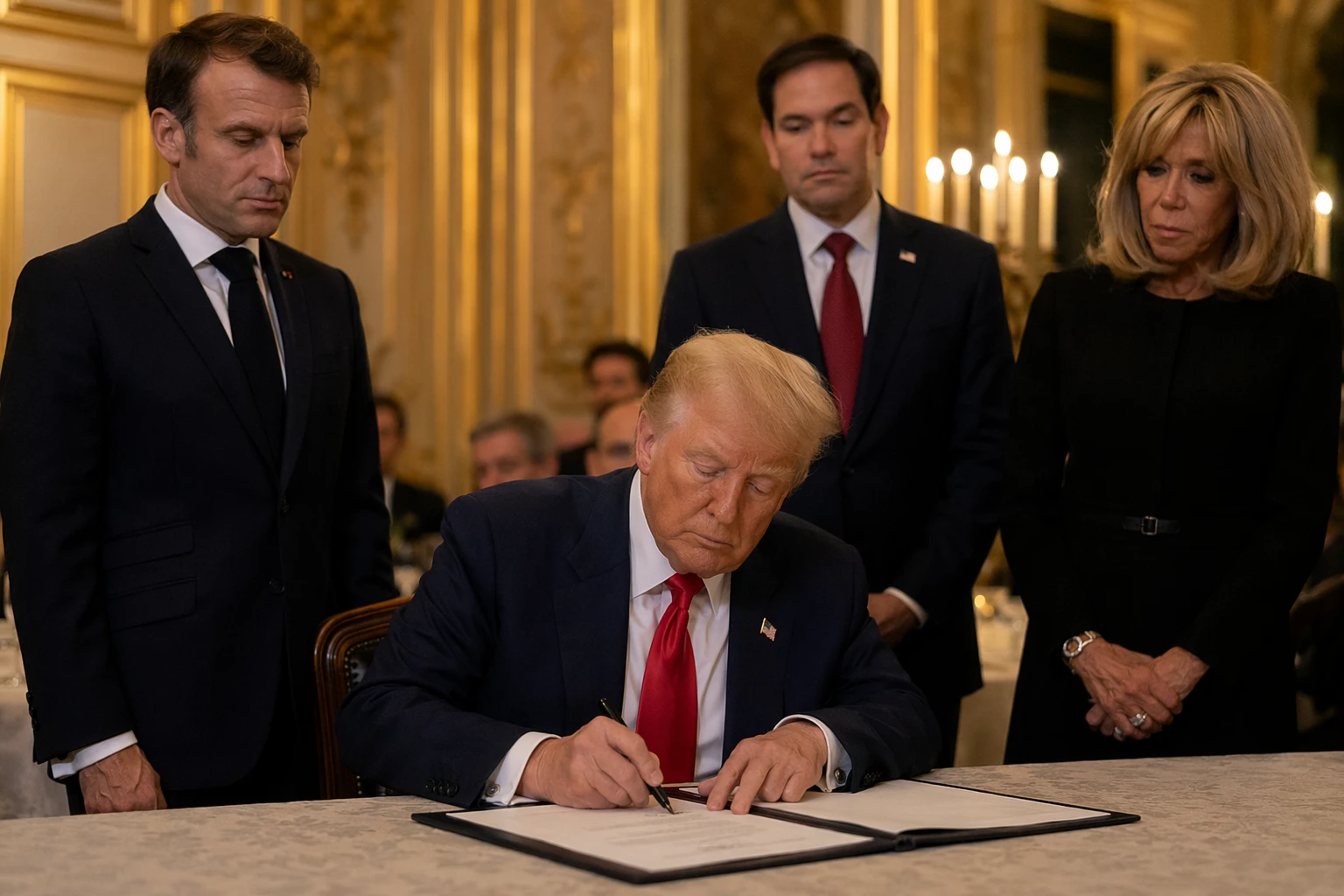
Donald Trump signed a 14-point memorandum on Iran in the gilded setting of the Palace of Versailles, turning a post-G7 dinner into a stage-managed display of diplomacy with sharp political symbolism. French President Emmanuel Macron hosted the dinner in France on Wednesday, June 17, 2026, with First Lady Brigitte Macron and U.S. Secretary of State Marco Rubio present as White House video showed Trump signing a hard copy at the table.
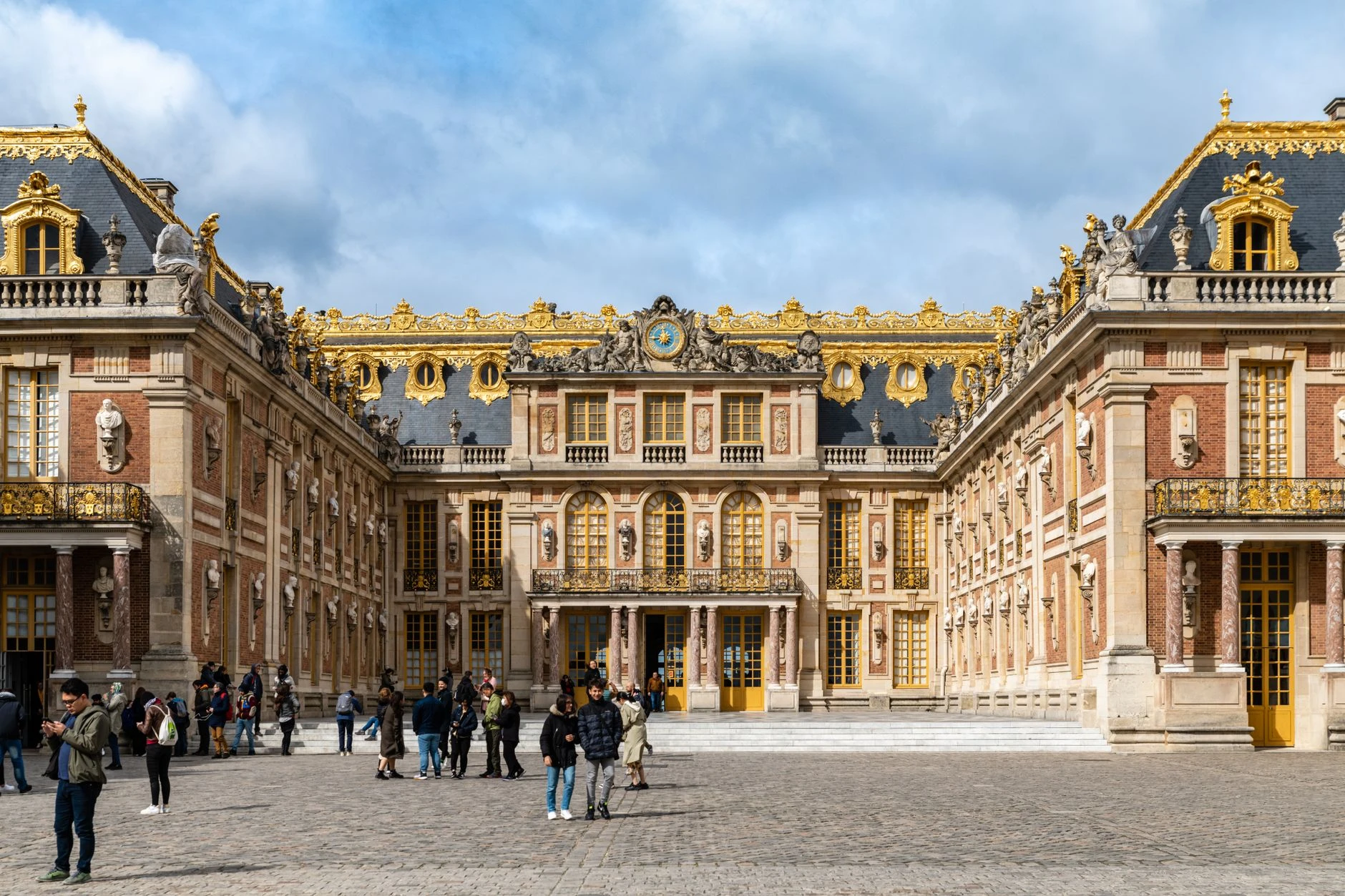
The spectacle mattered because Versailles is not just another ceremonial backdrop. It is where the World War I peace treaty was signed, and the location gave the agreement the language of settlement even as the text remained limited in what it actually locked in. U.S. officials said the document had already been digitally signed before the dinner and was then formalized in France, while Iranian Foreign Ministry spokesperson Esmaeil Baghaei said the memorandum had been signed electronically.
The agreement is being described as a 14-point memorandum of understanding aimed at ending the U.S.-Iran war, reopening the Strait of Hormuz and waiving, but not permanently ending, sanctions on Iran. U.S. officials said the memorandum would take effect immediately. Reports on the text said Tehran would, at a minimum, dilute its stockpile of highly enriched uranium, a significant step meant to reduce pressure over Iran’s nuclear program while leaving longer-term enforcement questions unsettled.
Trump cast the document as an initial peace agreement, but he also paired the ceremony with a warning that he could go back to bombing if a final agreement was not reached within 60 days. That threat underscored how provisional the deal remained, despite the choreographed optics of a Versailles signing and the immediate claims of progress from the U.S. side.
The economic stakes were equally high. The reopening of the Strait of Hormuz was central to the memorandum’s significance, after months of closure had driven up global energy prices. Pakistani Prime Minister Shehbaz Sharif said the agreement would “enter into force with immediate effect,” while Macron publicly applauded the signing. The result was a carefully framed diplomatic moment that promised sanctions relief and de-escalation, but stopped short of a permanent settlement or a final end to the conflict.
Sources
- [1]bbc.com
- [2]thehill.com
- [3]france24.com
- [4]newsday.com
- [5]hindustantimes.com
- [6]timesofisrael.com
- [7]firstpost.com
- [8]abcnews.com