Politics
Trump Signs Bill to End Record 76-Day Shutdown
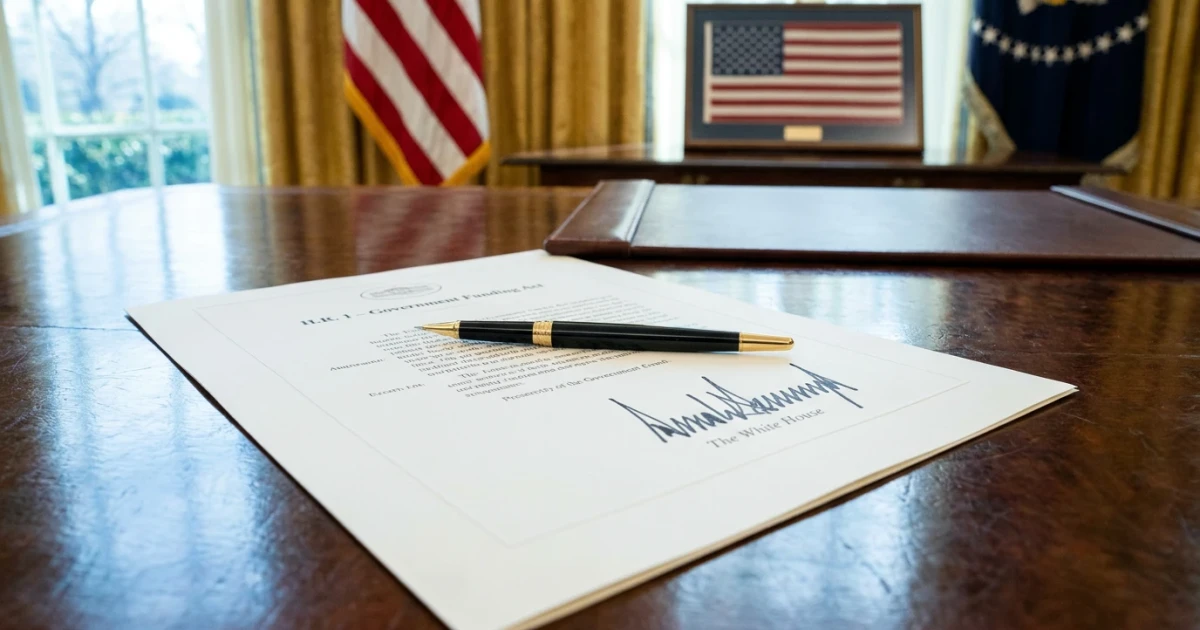
President Donald Trump has signed a bill to fund the Department of Homeland Security, officially ending the federal government’s longest shutdown on record. The decision, reported by both PBS and CBS News, brings to a close a 76-day partial government shutdown that disrupted federal operations, delayed paychecks for hundreds of thousands of workers, and drew national attention to the ongoing debate over government funding priorities.
Shutdown Impact and Historical Context
The U.S. Government Accountability Office notes that this shutdown, spanning more than two months, surpassed all previous records for federal closures. According to the Congressional Research Service, past shutdowns have ranged from just a few hours to 35 days, making the 76-day duration particularly significant in terms of scale and impact.
- Hundreds of thousands of federal workers faced furloughs or worked without pay.
- Essential services, including airport security and immigration processing, were strained.
- Many national parks and federal offices remained closed or operated with limited staffing.
The economic and social ramifications of the shutdown were wide-ranging. The Congressional Budget Office previously found that lengthy shutdowns reduce economic output and can have lingering effects even after the government reopens due to lost productivity and delayed spending.
Legislative Details and Resolution
The funding bill, which passed both chambers of Congress with bipartisan support, provides full appropriations for the Department of Homeland Security through the end of the fiscal year. The official text of the legislation is available through the Consolidated Appropriations Act, 2019. The Federal Register also published the law and its funding provisions.
By signing the bill, President Trump restored funding to all affected agencies, including Customs and Border Protection, the Transportation Security Administration, and Immigration and Customs Enforcement. The Office of Personnel Management has issued updated guidance to federal employees regarding the end of furloughs and the resumption of normal operations.
Political and Economic Analysis
Both PBS and CBS News highlight the political impasse that led to the shutdown, with disputes over border security funding at the center of negotiations. The prolonged closure placed pressure on lawmakers from both parties to reach a compromise, as the economic consequences became more pronounced and public support for a resolution grew.
Historically, government shutdowns have created uncertainty for federal employees and contractors, as well as affected public services nationwide. According to the CBO, extended shutdowns can reduce GDP growth and impact consumer confidence. This latest episode is expected to prompt renewed discussions on budgetary processes and the mechanisms used to prevent future funding lapses.
Looking Forward
With the shutdown concluded, federal agencies are resuming full operations. Lawmakers from both parties have acknowledged the need to revisit funding strategies and avoid similar disruptions in the future. The 76-day shutdown will likely remain a reference point in debates over government funding and the impacts of political gridlock.