World
Trump signs Iran ceasefire framework, moves to reopen Strait of Hormuz
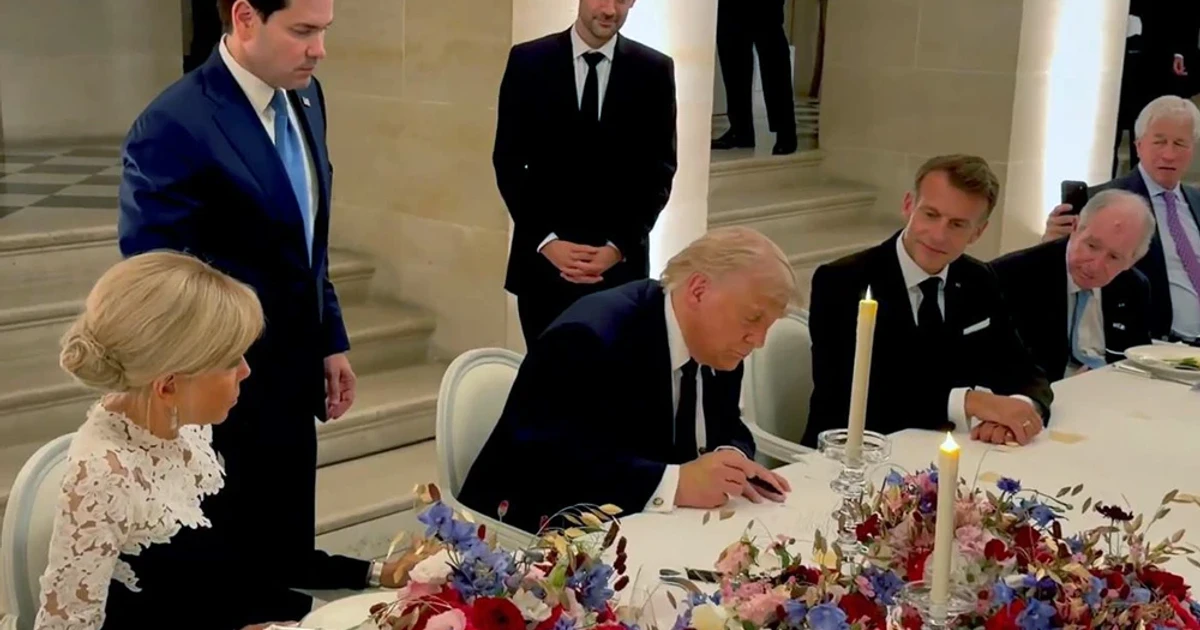
Donald Trump signed a preliminary Iran ceasefire framework that pairs a 60-day halt in fighting with a push to reopen the Strait of Hormuz, a move that could reshape energy flows even as his standing at home remains weak. The agreement leaves Iran’s nuclear program and sanctions relief for later talks, setting a fragile diplomatic opening against a presidency still under pressure from public discontent. The immediate market reaction was sharp: oil prices fell and Asian stock markets rose.
U.S. and Iranian officials said the pact is only a memorandum of understanding, not a final peace treaty, and U.S. officials said it would be formally signed in Geneva, Switzerland, on Friday. Trump and Vice President JD Vance signed the text digitally before the formal signing, and Trump said the memorandum would be released soon. The deal came together after mediation efforts that included Pakistan’s prime minister, Shehbaz Sharif, and it sets out a 60-day ceasefire period while further negotiations continue over Iran’s nuclear program and sanctions relief.
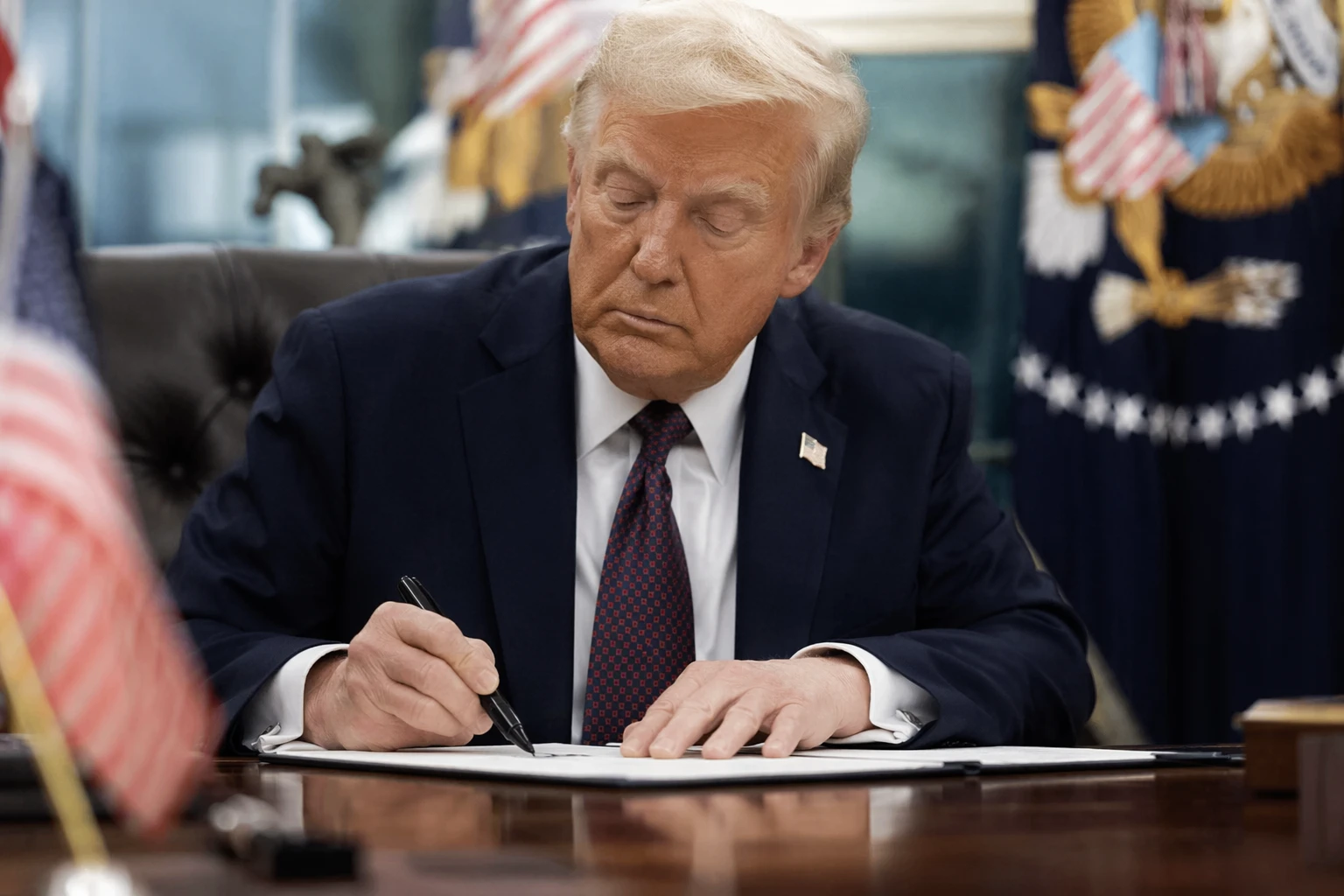
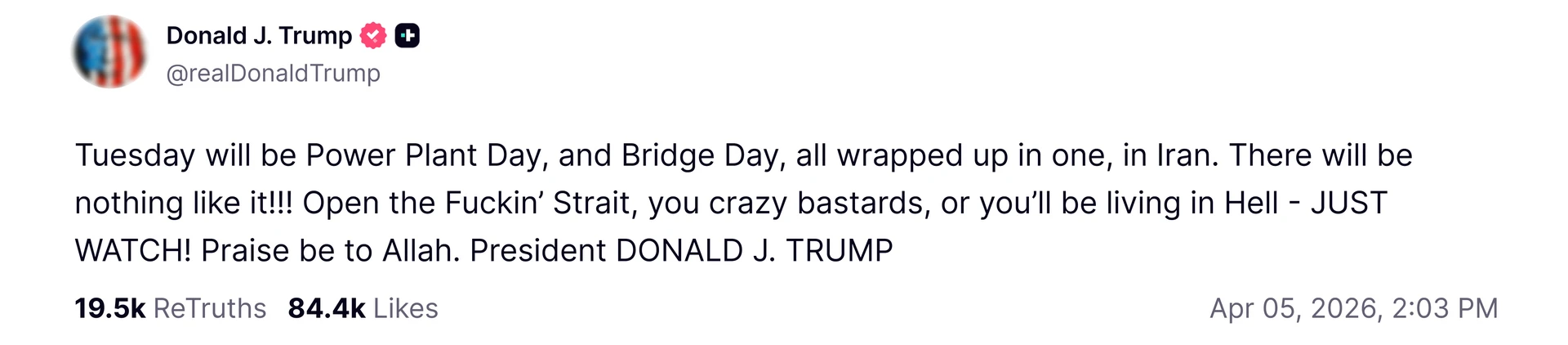
The shipping provisions remain unfinished. Iranian officials said Tehran would be responsible for the security and safe traffic of ships in cooperation with Muscat and other stakeholders, while U.S. officials said mines in the strait still needed to be cleared before full reopening. No immediate Israeli reaction followed the announcement, even though the war has killed thousands and disrupted global energy markets since joint U.S.-Israeli strikes on Iran in February.
The diplomatic breakthrough landed alongside political weakness at home. A Reuters/Ipsos poll conducted June 3-8 and released June 8 found Trump at 35 percent approval, with 22 percent approving of his handling of the cost of living and 70 percent disapproving. The same poll found 59 percent of respondents expected gas prices to get worse over the next year, 36 percent approved of the U.S. strikes on Iran, and only 25 percent said the benefits were worth the costs. In a congressional ballot test, Democrats led Republicans 41 percent to 37 percent, underscoring how little room Trump has to claim the foreign-policy gain as a domestic political reset.
Sources
- [1]npr.org
- [2]reuters.com
- [3]abcnews.go.com
- [4]ipsos.com
- [5]cnbc.com