World
Trump struggles for Iran strategy as cease-fire collapses
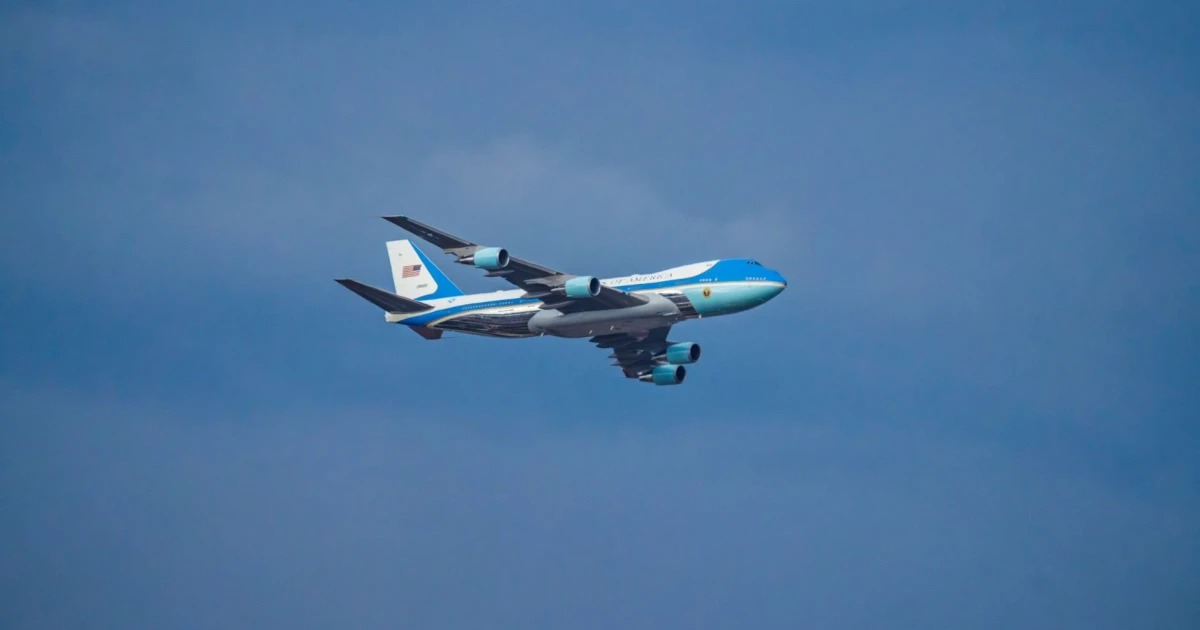
Trump’s bid to force Tehran back to the table has run into the one problem his pressure tactics cannot solve: a war that keeps slipping outside his control. After Iranian attacks on commercial vessels in the Strait of Hormuz, he declared the cease-fire “over” on July 8 and again on July 10, even as he said diplomatic talks would continue.
The breakdown leaves Washington trying to preserve leverage with threats that no longer appear decisive. Trump formally notified Congress on July 13 that hostilities against Iran had resumed on July 7, a move that the administration said reopened a 60-day window for military action without congressional approval. The administration’s own sequence of announcements underscored the gap between rhetoric and reach: a cease-fire can be declared from Washington, but it cannot be sustained there.
The fighting began on February 28, 2026, when the United States and Israel launched airstrikes on Iran that killed Supreme Leader Ali Khamenei and set off Iranian retaliation across the region. Iran struck U.S. bases, Israel and neighboring states, while the Strait of Hormuz was closed and attacks spread through the Gulf of Oman and beyond. The violence continued until April 7-8, when Pakistan announced a two-week pause between the United States and Iran.
That pause fed into a broader June 17 memorandum of understanding between Washington and Tehran. The 14-point deal was meant to open a 60-day negotiating period on freedom of navigation in the Strait of Hormuz, Iran’s nuclear and missile programs, and sanctions. But the formal text was never published, and the public and briefed versions differed in some details, a sign that the agreement rested more on political signaling than on durable enforcement.
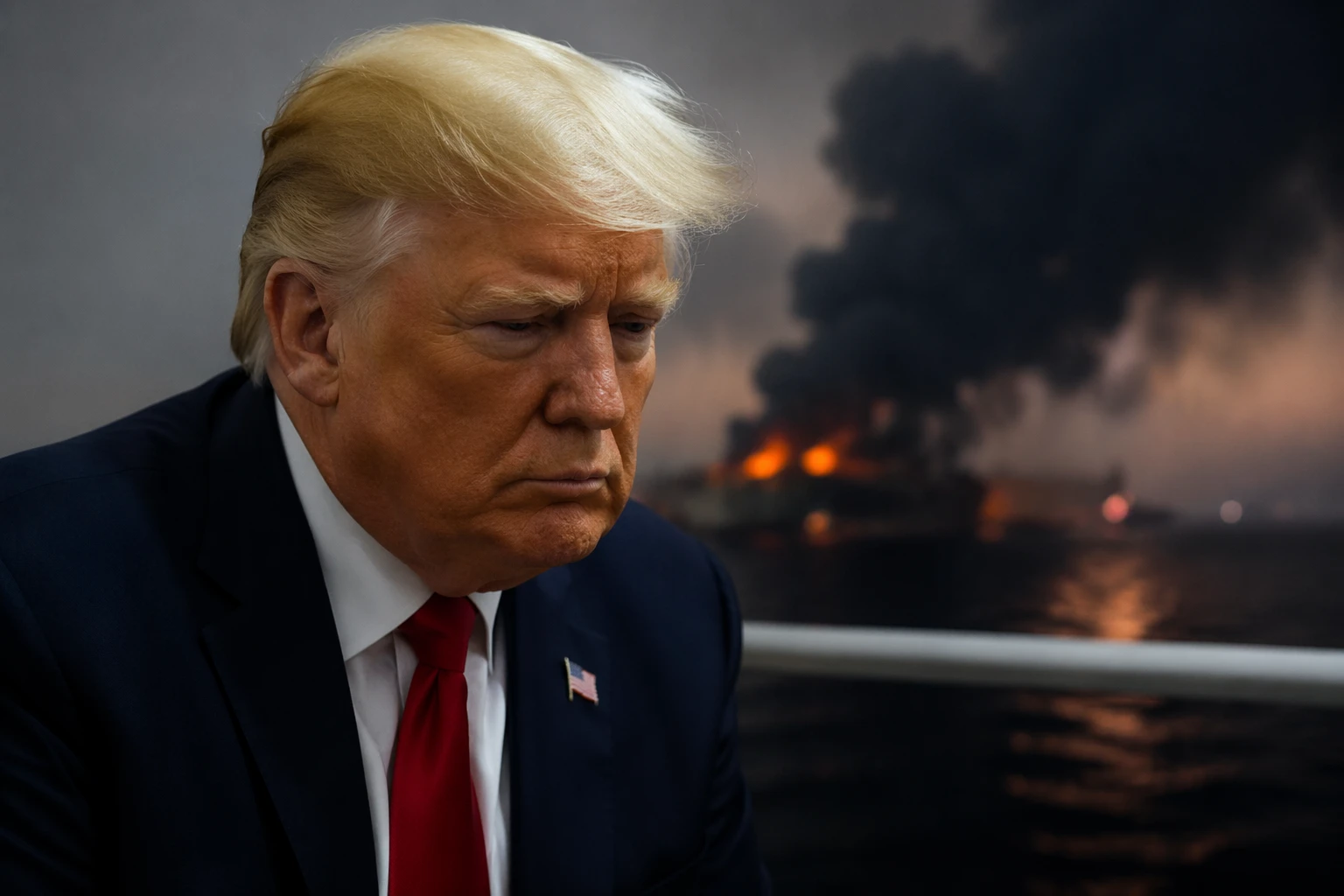
The stakes were immediate and public. The Strait of Hormuz carries about one-fifth of the world’s traded oil and gas, so even limited disruption has sent oil and gas prices higher and raised household fuel costs. That has sharpened the domestic political risk for Republicans heading toward the November midterms, where rising gasoline prices could turn foreign policy into a kitchen-table issue.
The war has also exacted a heavy human toll. Thousands have been killed and millions displaced across Iran, Lebanon, Israel and Gulf states, including more than one-sixth of Lebanon’s population. Iran’s internal politics have been strained further by Khamenei’s death and the succession of his son, Mojtaba, while Abbas Araghchi has kept talking with officials in Qatar, Pakistan and Saudi Arabia as regional mediators try to keep negotiations alive.
Sources
- [1]nytimes.com
- [2]commonslibrary.parliament.uk
- [3]politico.com
- [4]usnews.com
- [5]cfr.org
- [6]britannica.com
- [7]reuters.com