Business
Trump Suggests U.S. Could Invest in Major AI Companies
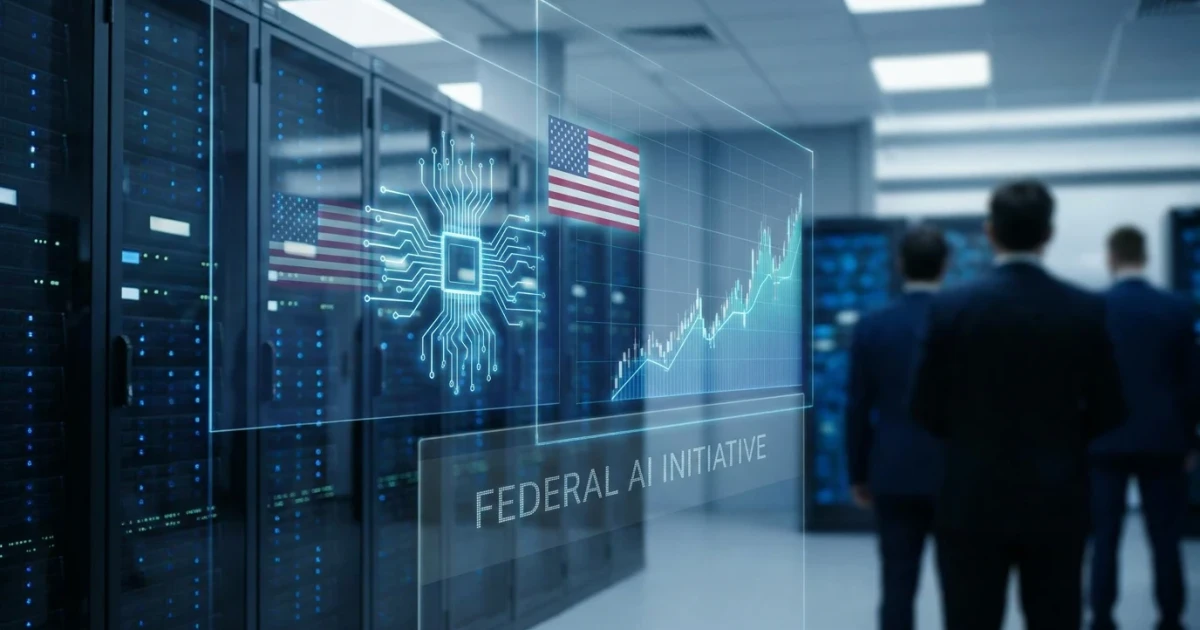
Former President Donald Trump has sparked debate after suggesting that the United States government could take equity stakes in the nation’s leading artificial intelligence (AI) companies, describing the proposal as something that "could be a beautiful thing." The remarks, which highlight the growing importance of AI to the American economy and national security, come amid intensifying global competition over cutting-edge technology.
Trump’s Comments and Their Context
During a recent interview, as reported by Axios, Trump stated that his team would “look into” the possibility of the U.S. government investing directly in major AI firms. He argued that such a move could offer long-term advantages, both in terms of economic returns and retaining American leadership in emerging technologies.
This idea echoes similar initiatives seen in other countries, where governments have taken a more active role in shaping their domestic AI sectors. Trump’s remarks have quickly become a focal point for policy analysts, industry leaders, and lawmakers, all considering the implications for business, national security, and innovation policy.
Potential Benefits and Motivations
- Economic Upside: Trump indicated that a government stake in AI leaders could yield substantial financial returns, pointing to the rapid growth and high valuations across the AI industry. According to recent industry statistics, the U.S. AI market is expected to surpass $200 billion by the end of the decade.
- Strategic Control: Taking equity positions could allow the government to influence strategic decisions within AI companies, ensuring that sensitive technologies remain aligned with national interests. This approach is increasingly common among U.S. competitors, such as China.
- Innovation Leadership: With the U.S. leading the world in AI research output and investment, proponents believe that government involvement could help maintain this edge in the face of rising international competition.
Key Concerns and Skepticism
While the proposal has received attention, it has also raised several concerns. Industry experts and some policymakers have questioned whether direct government ownership would stifle innovation or create conflicts of interest.
- Market Intervention: Critics warn that government stakes in private companies could distort market competition or deter private investment.
- Execution Challenges: There are questions about how such investments would be managed, as well as the potential for politicization of technical decisions.
- Regulatory Complexity: The legal framework for government equity in private AI firms remains unclear, and would likely require significant new legislation or regulatory guidance. For reference, the White House Office of Science and Technology Policy has released several strategic plans for AI, but has not previously advocated direct ownership stakes.
Broader Policy Debate
Trump’s remarks are the latest in a series of high-profile interventions by U.S. leaders on AI policy. As reported by multiple outlets, the Biden administration has focused on setting standards and risk management protocols for AI, rather than direct investment. The idea of government stakes marks a departure from previous strategies, which have prioritized public-private partnerships and regulatory oversight.
It remains to be seen whether Trump’s comments will translate into concrete policy proposals, or whether they will serve mainly to stimulate discussion about the most effective ways for the U.S. to retain its competitive edge in AI.
Looking Ahead
As the U.S. government continues to weigh its options for supporting the AI sector, Trump’s suggestion adds a new dimension to the ongoing policy discussion. The proposal’s future will likely depend on political, economic, and technological considerations, as well as reactions from both the private sector and the broader public.
For now, the idea of a government stake in AI giants remains theoretical—but its prominence in national debate reflects growing recognition of AI’s central role in America’s future prosperity and security.