Politics
Trump swings from NATO attacks to praise at Ankara summit
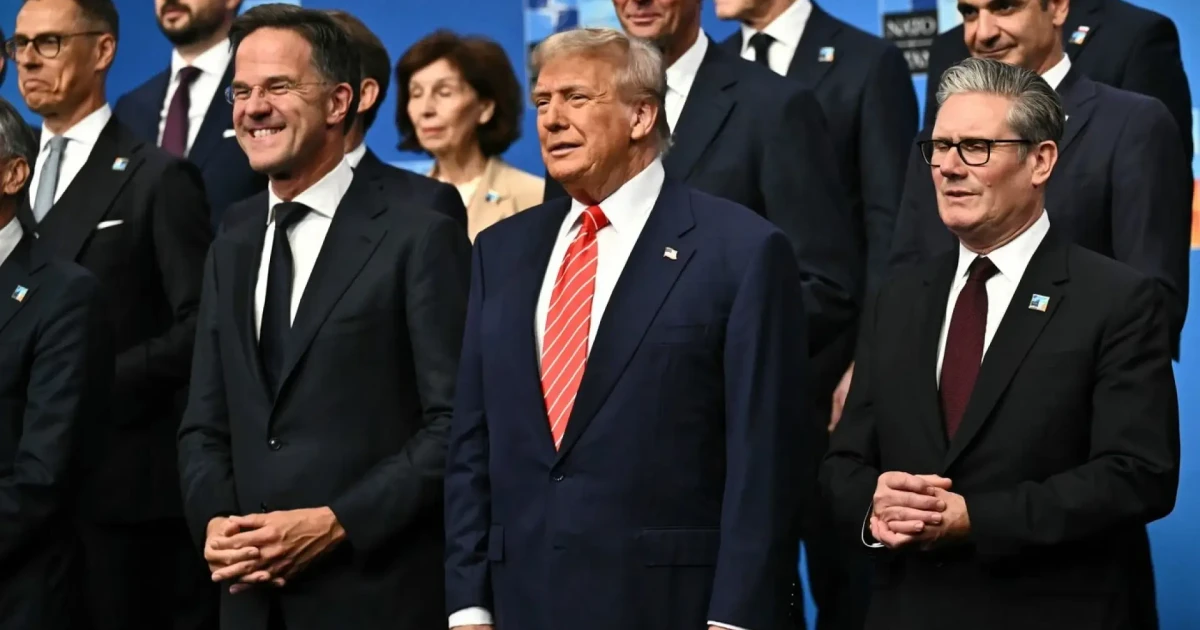
Donald Trump ended the final hours of NATO’s Ankara summit praising “love” and “a lot of unity” after spending the day lashing out at allies over Spain, Greenland and Iran. The abrupt turn captured the central contradiction in Ankara: public theater from the U.S. president, private reassurance for a bloc trying to lock in deterrence and planning discipline.
The summit ran on 7-8 July 2026 at the Beştepe Presidential Complex in Ankara, Türkiye, the second NATO summit hosted by the country after Istanbul in 2004. Leaders arrived with a dense agenda: defence spending, Ukraine, defence industry output and collective defence. By the end, they had adopted the Ankara Summit Declaration, which reaffirmed an “ironclad commitment” to collective defence under Article 5.
That declaration sat alongside hard commitments on money and weapons. At the 2025 Hague summit, allies agreed to spend 5% of GDP annually on defence by 2035, and NATO said some members were already on track to reach that target in 2026, far ahead of schedule. The alliance also said European allies and Canada increased core defence investment by USD 139 billion in nominal terms in 2025. In Ankara, allies pledged €70 billion in military equipment, assistance and training for Ukraine in 2026, with at least equivalent levels in 2027.
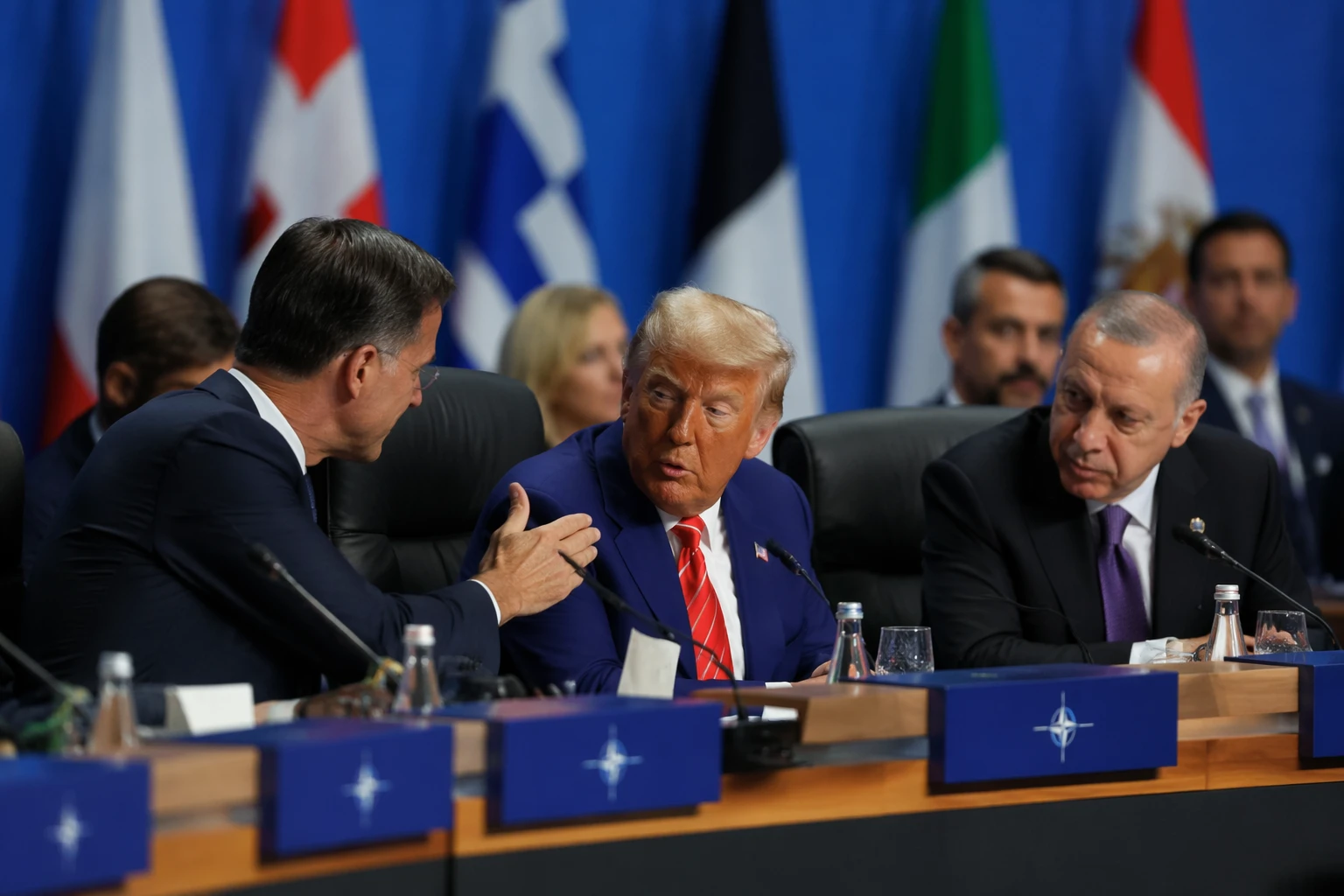
Trump repeatedly undercut the summit’s message before reversing himself. He renewed his claims on Greenland, called Spain a “terrible partner” and “hopeless” over defence and war-on-Iran disputes, and demanded that the United States cut trade ties with Madrid. He also cast doubt on the Iran ceasefire, saying it was over and suggesting the U.S. might strike Iran again. For NATO capitals already balancing Russia’s war against Ukraine, that kind of public volatility raises a practical question: can allies make long-term decisions on defence spending, force posture and deterrence when the White House message shifts by the hour?
NATO Secretary General Mark Rutte tried to hold the line, calling the summit “tremendously successful” and saying there was a “great sense of unity.” Reuters reported that Trump had thrown the meeting into disarray before later saying there had been “love” and “a lot of unity.” For allies, the body language in Ankara mattered less than the pattern it exposed: the alliance may still produce declarations and funding pledges, but its strongest member remains unpredictable in public, even when it is indispensable in private.
Sources
- [1]news.google.com
- [2]nato.int
- [3]reuters.com