US News
Trump Targets Iranian Bridges Amid Ongoing Talks
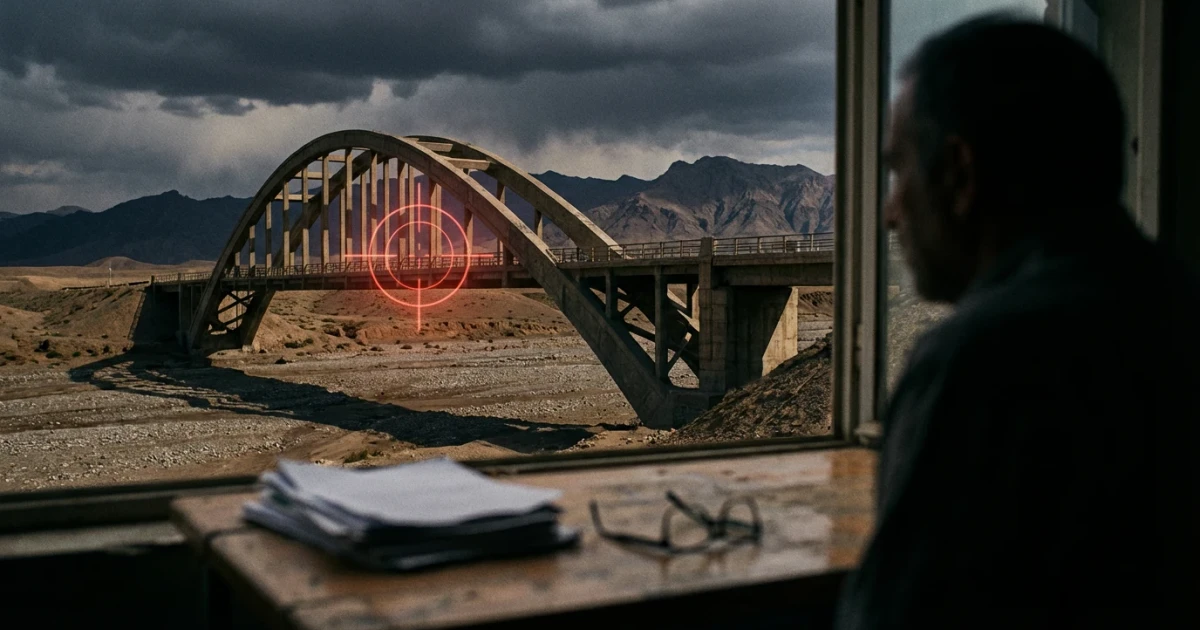
Donald Trump has heightened tensions with Iran by threatening the nation’s bridges, even as diplomatic talks between the United States and Iran are set to continue in Pakistan next week. The former president’s remarks, reported by DW.com, come as both countries navigate a complex landscape of military pressure and negotiation.
Escalating Rhetoric on Iranian Infrastructure
Trump’s latest comments referenced potential US military action against key Iranian infrastructure, specifically bridges. DW.com highlighted Trump’s statement as a direct threat, reflecting a willingness to use military targets as leverage in ongoing disputes with Tehran. While details of the statement were not extensively quoted, the focus on bridges underscores the strategic importance of Iran’s transportation network.
Iran’s infrastructure includes hundreds of bridges and major roadways vital for both civilian life and military logistics. According to the CIA World Factbook, Iran’s geographic landscape relies heavily on these transit routes to connect economic centers and border regions. Targeting such infrastructure would have significant implications for Iran’s economy and military readiness.
Diplomatic Efforts Persist
In contrast to the aggressive rhetoric, Politico reported that US-Iran talks are scheduled to continue on Monday in Pakistan. Both sides have signaled a willingness to engage in further dialogue, despite persistent disagreements on security and sanctions issues. The talks are expected to cover a range of topics, including regional security, nuclear policy, and economic sanctions.
This dual approach—combining threats of military action with ongoing diplomatic engagement—reflects a longstanding pattern in US-Iran relations. Analysts at Brookings have noted that such strategies aim to pressure Iran while maintaining avenues for negotiation, though the risks of escalation remain significant.
Potential Consequences of Targeting Bridges
Iran’s bridges are not only critical for civilian transportation and commerce, but also play a role in supporting the movement of military assets across the country. The Nuclear Threat Initiative highlights the importance of Iran’s infrastructure in deploying missile and drone capabilities, which have been central to ongoing regional tensions.
- Iran’s road network stretches over 200,000 km, with bridges serving as chokepoints for both commerce and military logistics.
- Disruption of these routes could impact arms transfers and supply lines within and beyond Iran’s borders.
- Targeting dual-use infrastructure raises concerns under international law and sanctions frameworks.
Outlook: Negotiation or Escalation?
As negotiations continue in Pakistan, the international community is closely monitoring both sides’ willingness to find common ground. Trump’s threats may be intended as a negotiating tactic, but they also risk provoking a strong response from Iranian officials, who have historically resisted external pressure on their domestic infrastructure.
Observers note that the outcome of the talks will likely depend on whether diplomatic engagement can outweigh the impact of intensified threats. With both sides maintaining public postures of strength, the coming days will be crucial in determining the trajectory of US-Iran relations.