Politics
Trump tests anti-communist message to rally 2026 midterm voters
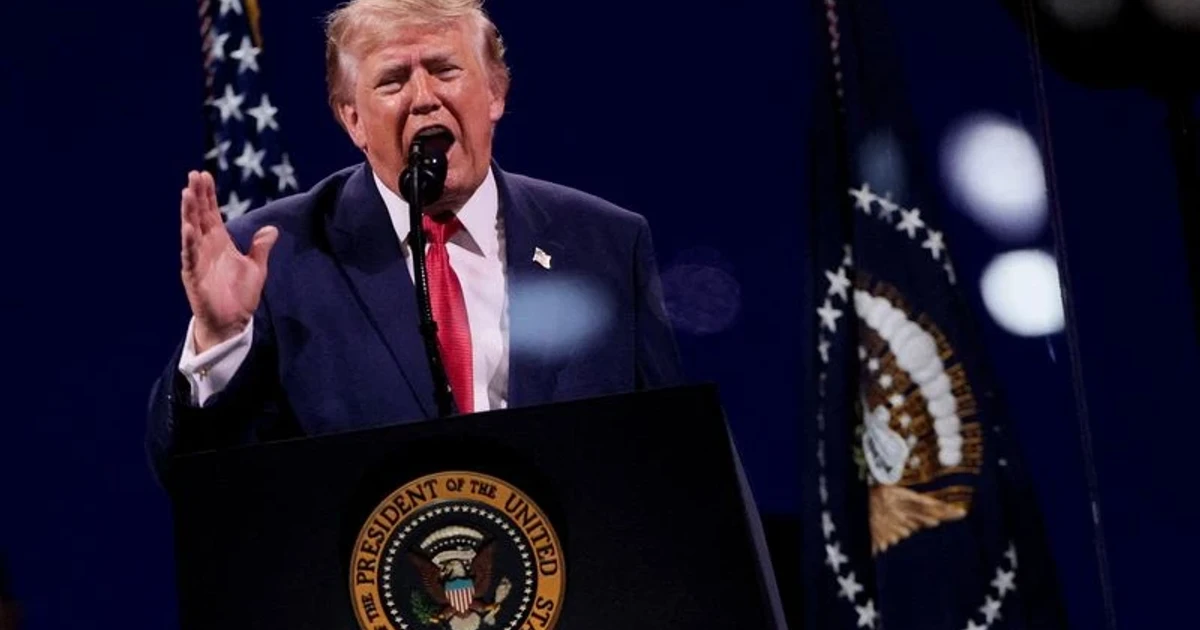
Trump’s political operation has been testing whether anti-communist attacks can do more than fire up loyal supporters and actually travel into the 2026 midterm battlefield. Early results point to a split: the framing strongly energizes core Republican voters and could help turn out low-frequency off-year voters, but it has weaker appeal among independents and younger voters, the blocs most likely to decide close races.
The push has intensified as Trump has leaned into warnings that Democrats are drifting toward communism. A Reuters analysis of his public remarks from June 23 through July 6 found that he invoked communism 81 times, often in attacks on progressive Democratic primary winners in Colorado, Kentucky, New York, Ohio and Texas. That makes the line more than an ideological flourish. It is a deliberate attempt to define Democrats as extreme, rather than leave Republicans running solely on inflation and the cost of living.
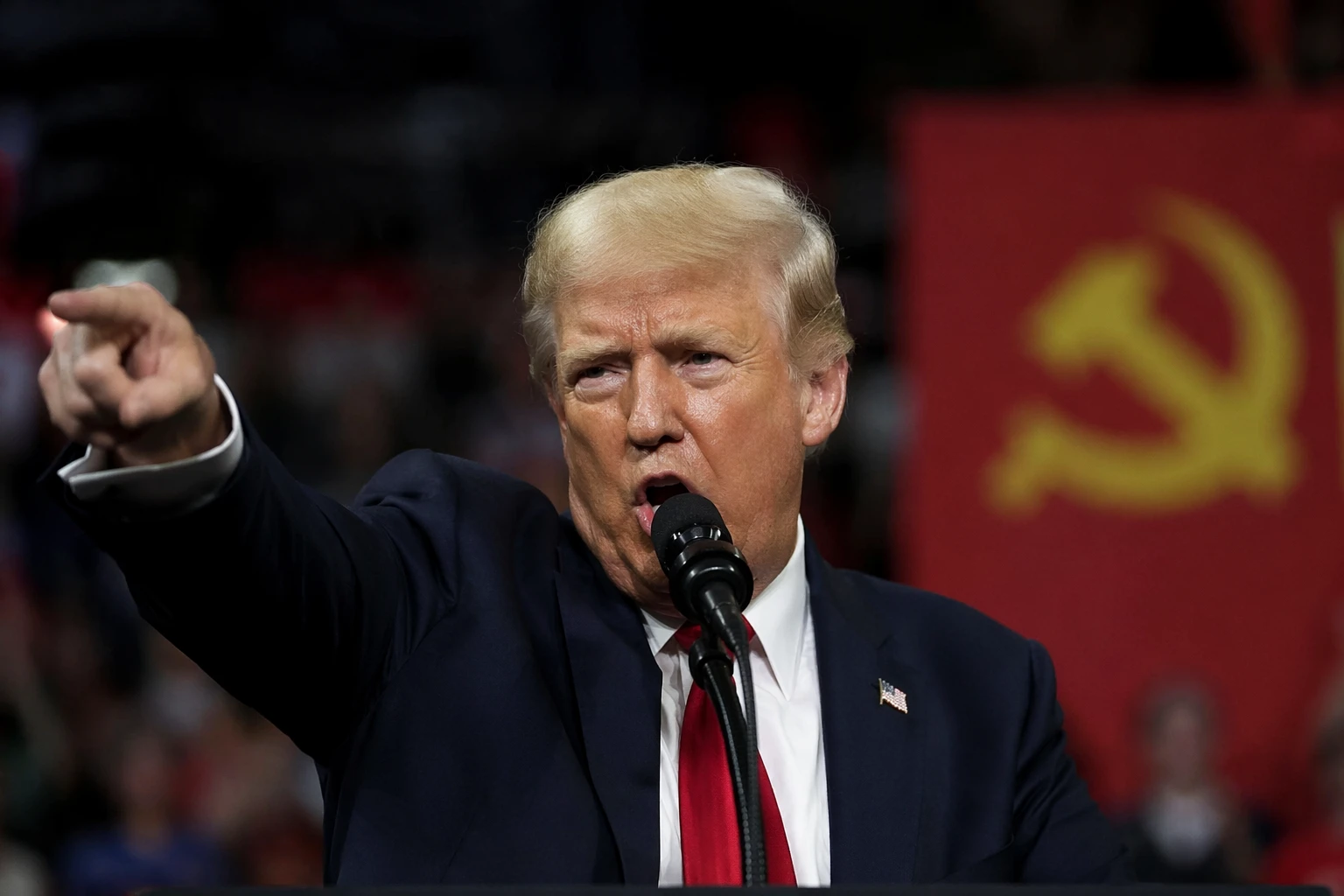
Trump also injected the message into an unusually national setting. On July 4, at a National Mall rally tied to the 250th anniversary of the Declaration of Independence, he warned against what he framed as the rise of communism. The timing gave the message maximum symbolic reach, linking the anti-communist frame to patriotism, tradition and a July Fourth crowd built for television and social media amplification.
The strategy echoes an older Republican playbook. Richard Nixon and Ronald Reagan used anti-communist rhetoric during the Cold War, when the argument could still cut deeply across the electorate. Trump’s version is different in both tone and terrain: it is aimed at a polarized electorate in which the main question is not whether voters fear communism, but whether the attack can move persuadable voters or mainly harden the Republican base. The early testing suggests the latter is the safer bet.
White House spokeswoman Olivia Wales said Democrats’ embrace of socialism and communism is “an existential threat” and said Trump would continue drawing a sharp contrast with his America First agenda. That line underscores the political calculation at work. Trump’s team is not just trying to rally regular supporters. It is testing whether a more aggressive culture-war message can break through voter fatigue, shape the midterm conversation early and keep Democrats on defense before campaign season fully accelerates.
Sources
- [1]aol.com