US News
Trump Threatens 100% Tariffs on Canada Amid Escalating China Trade Tensions
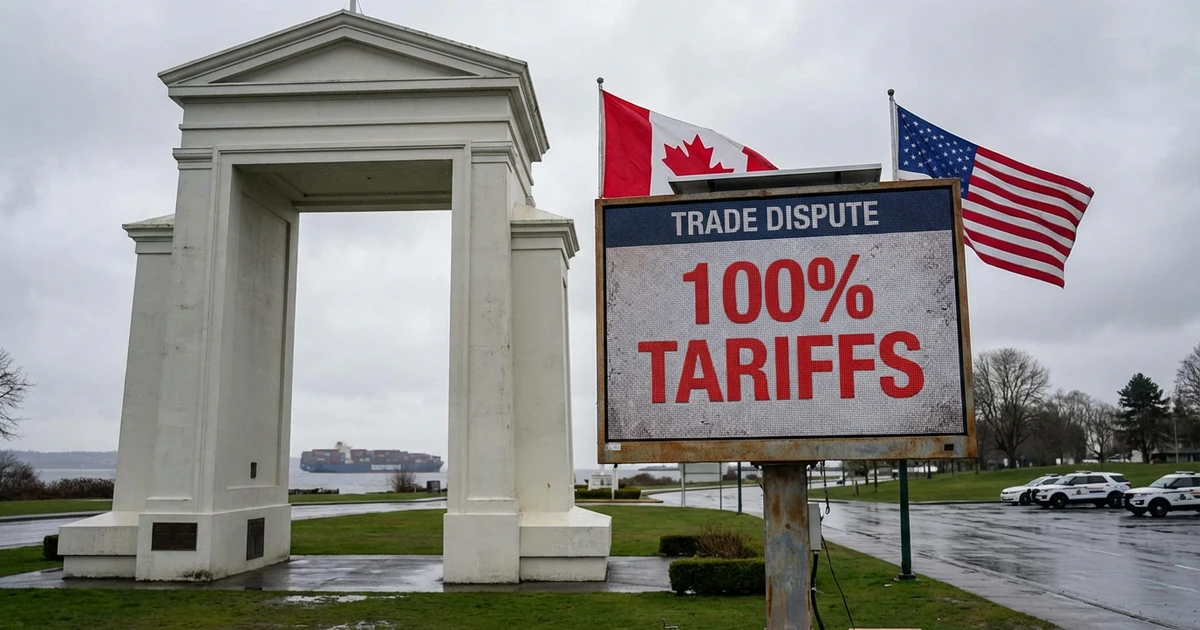
Former President Donald Trump has reignited global trade tensions, threatening to impose 100% tariffs on Canadian imports in connection with ongoing negotiations over China's trade practices. At the same time, Trump has withdrawn plans for tariffs on European goods following a recent diplomatic standoff over Greenland. The developments underscore the volatility of current international trade relations and the far-reaching impact of U.S. policy decisions.
The Threat of 100% Tariffs on Canada
According to reports from both BBC and Yahoo Finance, Trump has issued a warning that the United States could levy tariffs as high as 100% on Canadian goods. This threat is directly tied to ongoing negotiations with China, as Trump seeks to pressure both Canada and China into what he describes as a fairer trade agreement for the United States.
- 100% tariffs would effectively double the cost of targeted Canadian imports entering the U.S. market.
- The threat follows the annual Davos economic summit, where trade disputes were a central topic.
- Canada is one of the United States’ largest trading partners, with bilateral trade totaling over $600 billion annually.
Analysts note that such sweeping tariffs would have major economic consequences for industries on both sides of the border, including automotive, agriculture, and manufacturing sectors. The linkage to China trade talks suggests a strategic effort by the Trump camp to both leverage U.S. economic might and influence allied nations’ stances on China.
Europe Spared After Greenland Dispute
In an unexpected move, Trump announced the cancellation of proposed tariffs on European imports. This decision comes after a diplomatic dispute involving Greenland, an autonomous territory of Denmark. While details remain limited, Yahoo Finance highlights that the tariff threat was withdrawn following talks intended to de-escalate tensions around U.S.-European relations.
- European leaders had previously expressed concern about the possibility of new U.S. tariffs.
- The Greenland episode reflects ongoing friction in U.S. diplomacy, especially regarding strategic resources and Arctic interests.
- With tariffs on hold, European exports to the U.S. will avoid a major economic setback—at least for the moment.
Post-Davos Fallout and Global Implications
Both BBC and Yahoo Finance point to the aftermath of the Davos summit as a catalyst for the renewed tariff threats. Trump’s aggressive posture appears to be part of a broader strategy aimed at reshaping the global trade order, with a particular focus on countering China’s economic influence. The situation remains fluid, and markets are closely watching for further developments.
- Trade tensions have contributed to market uncertainty in early 2026.
- U.S. allies are being pressured to align with American trade policy on China.
- Retaliatory measures by Canada or Europe remain possible, depending on the outcome of ongoing negotiations.
Looking Ahead: Economic Impact and Next Steps
While no tariffs have yet been implemented, the threat alone has already created ripples in international markets and among business leaders. Canada’s government has yet to formally respond, but experts warn that escalation could disrupt supply chains and increase consumer prices in both countries. The withdrawal of European tariffs may bring temporary relief for transatlantic trade, but the episode highlights the unpredictability of current U.S. trade policy.
As negotiations continue, stakeholders are urged to prepare for further volatility and to monitor official channels for updates on tariff implementation and diplomatic efforts. The coming weeks will be critical in determining whether the United States' aggressive trade stance will yield concessions or provoke a broader trade conflict.
Sources
- [1]Yahoo Finance
- [2]BBC