World
Trump threatens Iran after mourners chant for his death in Tehran
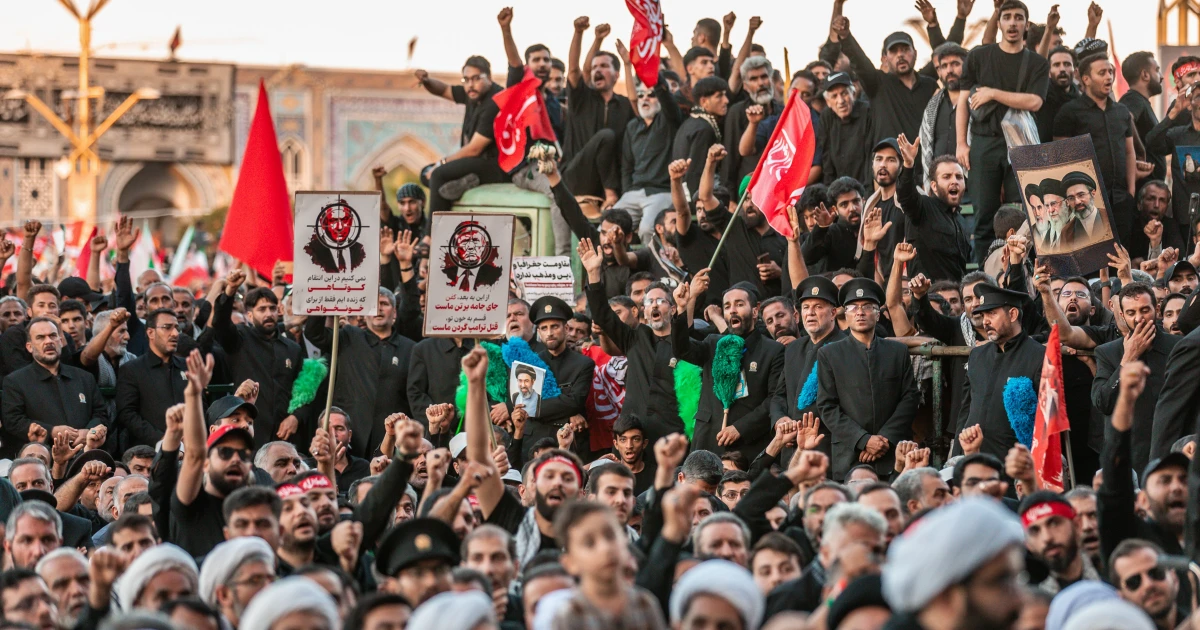
Trump threatened to “decimate and destroy” Iran after mourners in Tehran chanted for his death during the funeral procession for Ayatollah Ali Khamenei, turning a funeral into a new flashpoint in the U.S.-Iran confrontation. The scene was not isolated theater: Reuters reported huge crowds in Tehran and chants for vengeance on Trump as the city marked the burial procession for Khamenei, who was killed on February 28, 2026 in Israeli and U.S. airstrikes.
The exchange now carries a clear escalation risk. U.S. intelligence assessments have found no indication of a new, specific Iranian plot to kill Trump, but they have picked up continued chatter among Iranian actors and hardliners about wanting to target him. Israeli intelligence shared with the Trump administration pointed to a desire among elements of Tehran’s hardline leadership to go after the president, not a detailed operational plan, a distinction that matters for security planning because it separates rhetoric and intent from an actionable threat.
That gap has not stopped Washington from tightening pressure. On July 10, the Treasury imposed fresh Iran-related sanctions on a key financier linked to Mojtaba Khamenei, along with 13 other individuals and entities. The State Department said the designations built on earlier actions against Iranian shadow banking and currency-exchange networks, extending a campaign that has already constricted Tehran’s access to finance, trade channels and foreign currency.
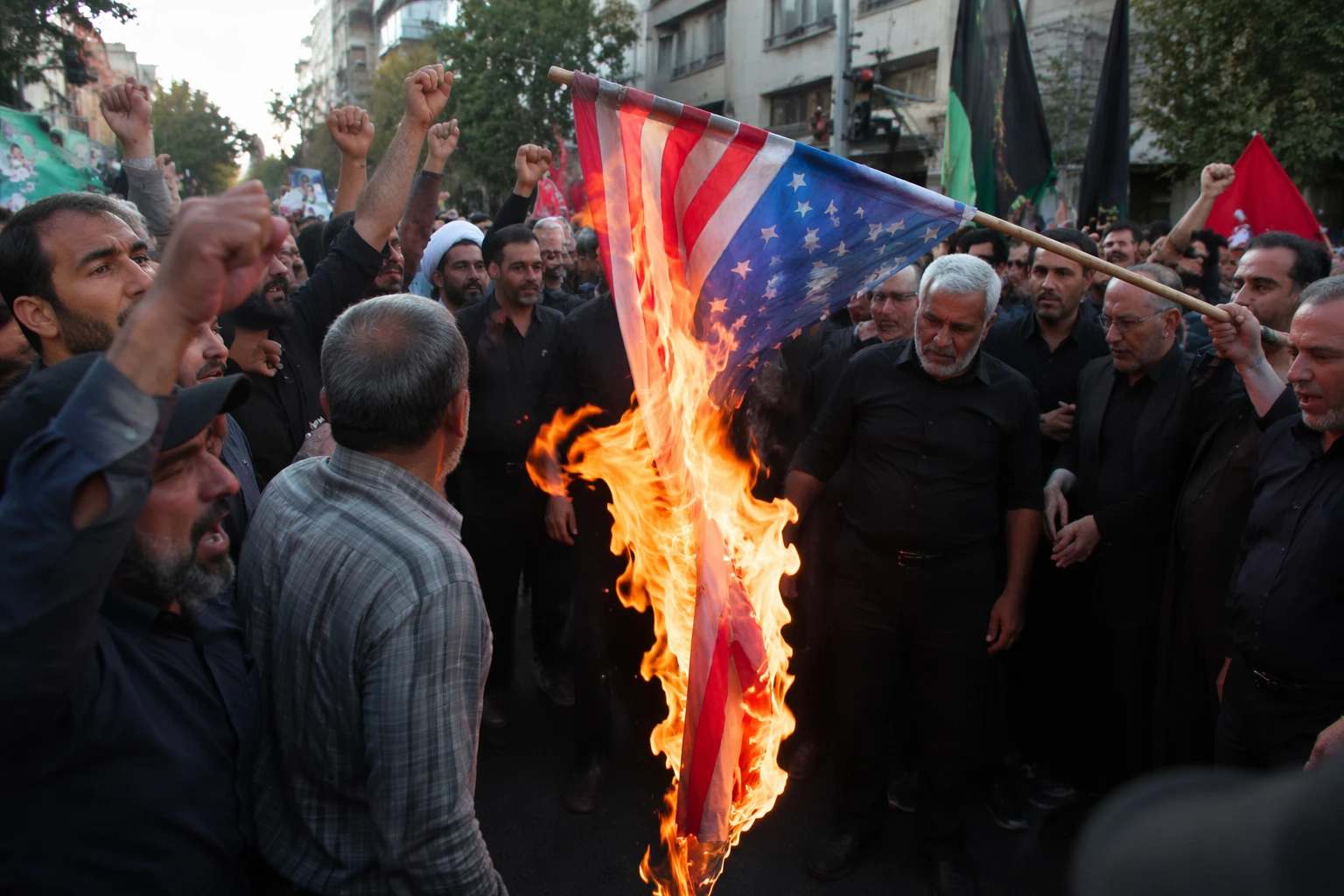
The timing also narrowed the room for diplomacy. Iranian Foreign Minister Abbas Araghchi was in Oman for talks when the new sanctions were announced and Trump issued his threat, leaving negotiators to operate under the shadow of a potential retaliatory cycle. Any move by Tehran toward a direct threat against Trump would likely trigger even tighter U.S. protective measures, stronger pressure on allied intelligence sharing and a harsher political response in Washington, where Iran policy remains one of the most volatile lines in the foreign policy debate.
The confrontation also fits a longer pattern. The State Department says the United States has imposed restrictions on Iran under various authorities since 1979, after the seizure of the U.S. Embassy in Tehran. Four decades later, the mix of street chants, intelligence warnings and new sanctions shows how quickly rhetoric around Khamenei’s funeral can harden into a security problem with diplomatic and domestic political consequences.
Sources
- [1]news.google.com
- [2]usnews.com
- [3]abc17news.com
- [4]cnbc.com
- [5]home.treasury.gov
- [6]state.gov