World
Trump threatens Iran attack as U.S. and Tehran hold Switzerland talks
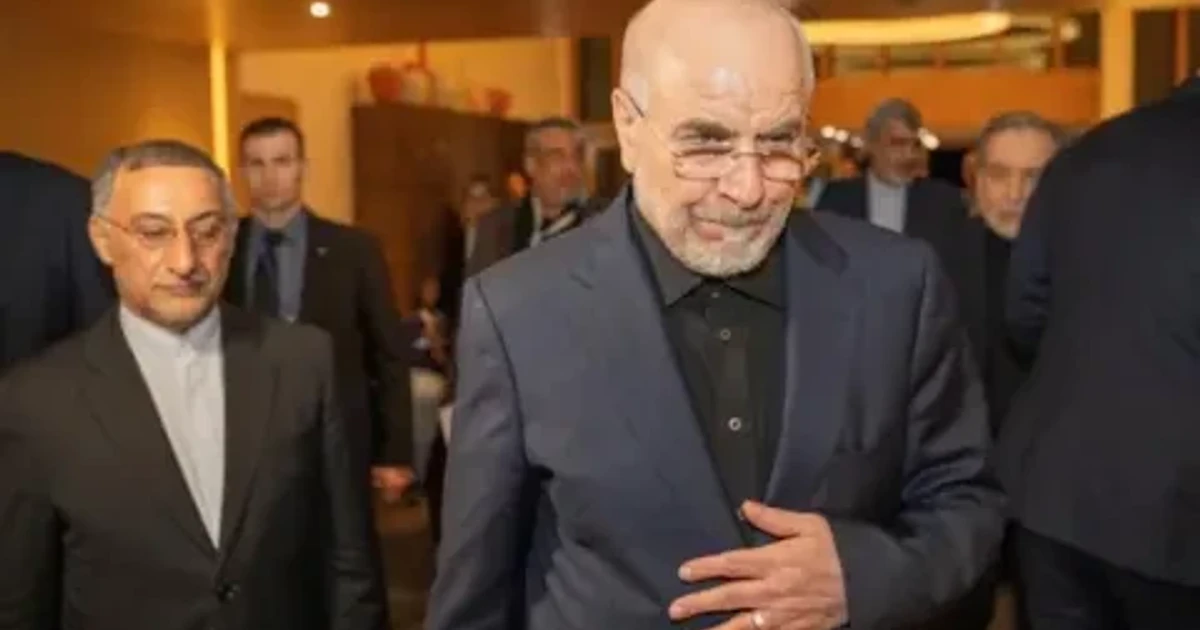
Donald Trump threatened renewed strikes on Iran even as U.S. and Iranian negotiators met at the Bürgenstock resort above Lake Lucerne, exposing how easily the diplomacy could be overtaken by brinkmanship. The talks in Switzerland were led by Vice President JD Vance on the U.S. side, with Jared Kushner and Steve Witkoff also reported on the delegation, while Mohammad Bagher Ghalibaf and Abbas Araghchi headed the Iranian team.
The meeting was meant to build out an interim U.S.-Iran understanding reached last week and turn it into a more durable end to the war. Instead, Trump’s warning that the United States could strike Iran again if Hezbollah did not stop "causing trouble" widened the pressure on negotiators already trying to translate a fragile understanding into practical terms. Vance described the talks as a chance to "turn over a new leaf" in U.S.-Iran relations, but the gap between that language and Trump’s threat-heavy posture underscored how unstable the channel remained.
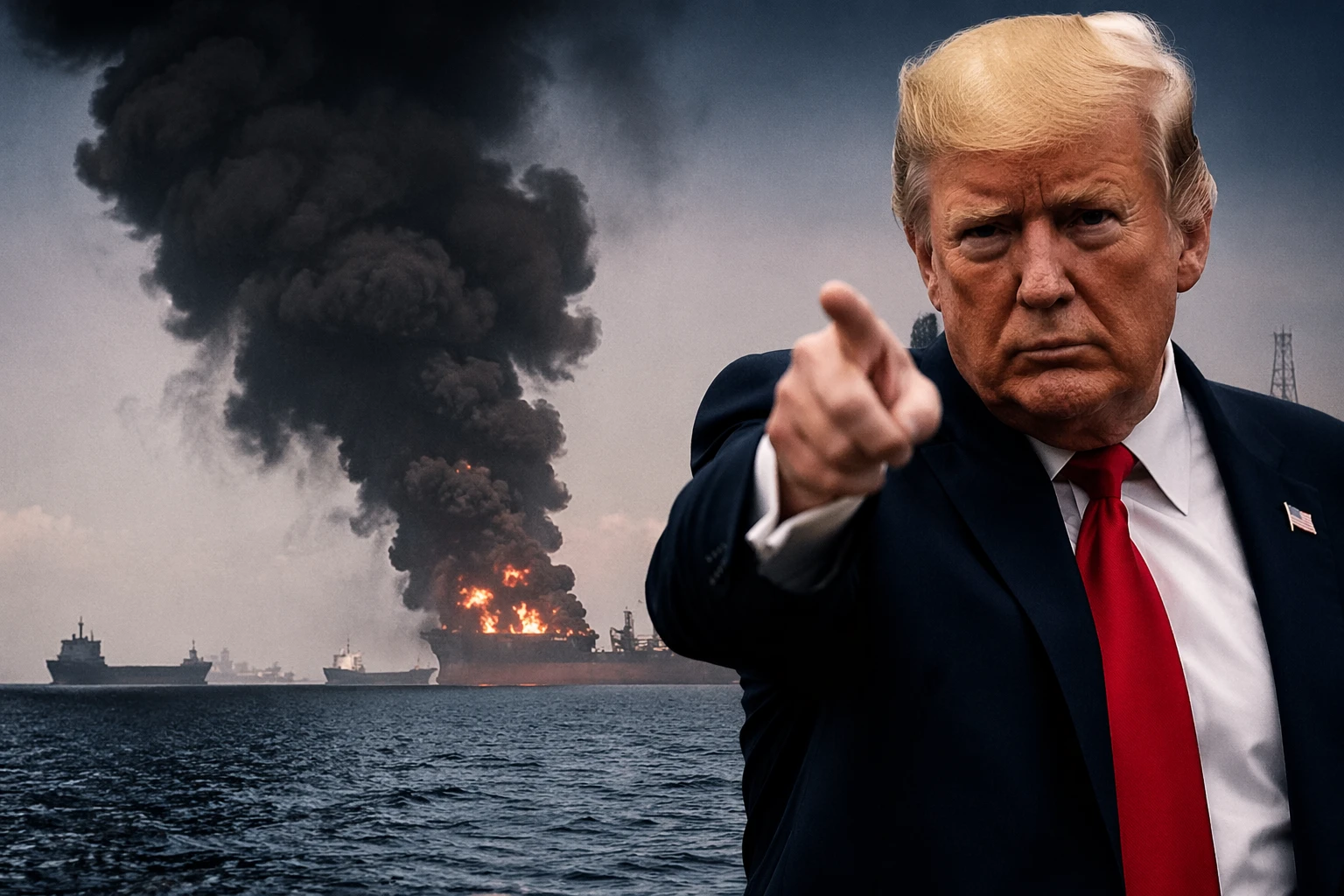

Lebanon quickly became part of the test. Tehran said it wanted Washington to pressure Israel to stop the fighting there, while Iranian Foreign Ministry spokesperson Esmaeil Baghaei said Iran’s focus in Switzerland was on U.S. compliance with commitments in the June 18 memorandum of understanding and warned that there were "red lines" in the negotiations. Iranian officials responded sharply to Trump’s threat, with Ghalibaf warning Washington not to underestimate Iran and saying its armed forces were ready to respond. That hardened tone suggested Hezbollah was no longer just a side issue, but a condition that could expand the talks beyond their original scope.
The immediate dispute also touched the Strait of Hormuz, after Tehran said it had closed the waterway again, even as U.S. Central Command disputed that Iran controlled it. Qatar and Pakistan served as mediators on the Swiss track, and Iran had sought a meeting with those intermediaries before the quadrilateral session. The broader backdrop was already crowded: the State Department had convened trilateral talks with Israel and Lebanon on June 2 and 3, 2026, after a ten-day cessation of hostilities that began on April 16, in a sign that Washington was trying to fold the Lebanon ceasefire and the Iran talks into one regional framework.
Sources
- [1]bbc.com
- [2]apnews.com
- [3]cbc.ca
- [4]euronews.com
- [5]cnbc.com
- [6]thesheffieldpress.com
- [7]aljazeera.com