World
Trump threatens Iran with deeper strikes as Strait of Hormuz closes again

Oil prices rose more than 4% on Monday after Donald Trump said the United States was reinstating a naval blockade on Iran, putting one of the world’s most important energy chokepoints back at the center of the crisis. The Strait of Hormuz handled about 20 million barrels of oil a day in 2024, roughly 20% of global petroleum liquids consumption.
The latest escalation came after Iran said on July 11 that the Strait of Hormuz was closed again, saying its forces fired a warning shot that struck a vessel traveling on an unauthorized route. U.S. Central Command then said its forces began a third round of strikes against Iran. The exchange marked the third weekend in a row that the two sides traded fire, despite a shaky ceasefire that took effect in June.
That truce had briefly aimed to halt the war and reopen the strait for shipping, but it frayed as missile and drone attacks resumed and both governments accused the other of violating the agreement. Iran’s Revolutionary Guards said the strait would remain closed until the end of U.S. interference in the region, while both Washington and Tehran have asserted control over the waterway during the current crisis.
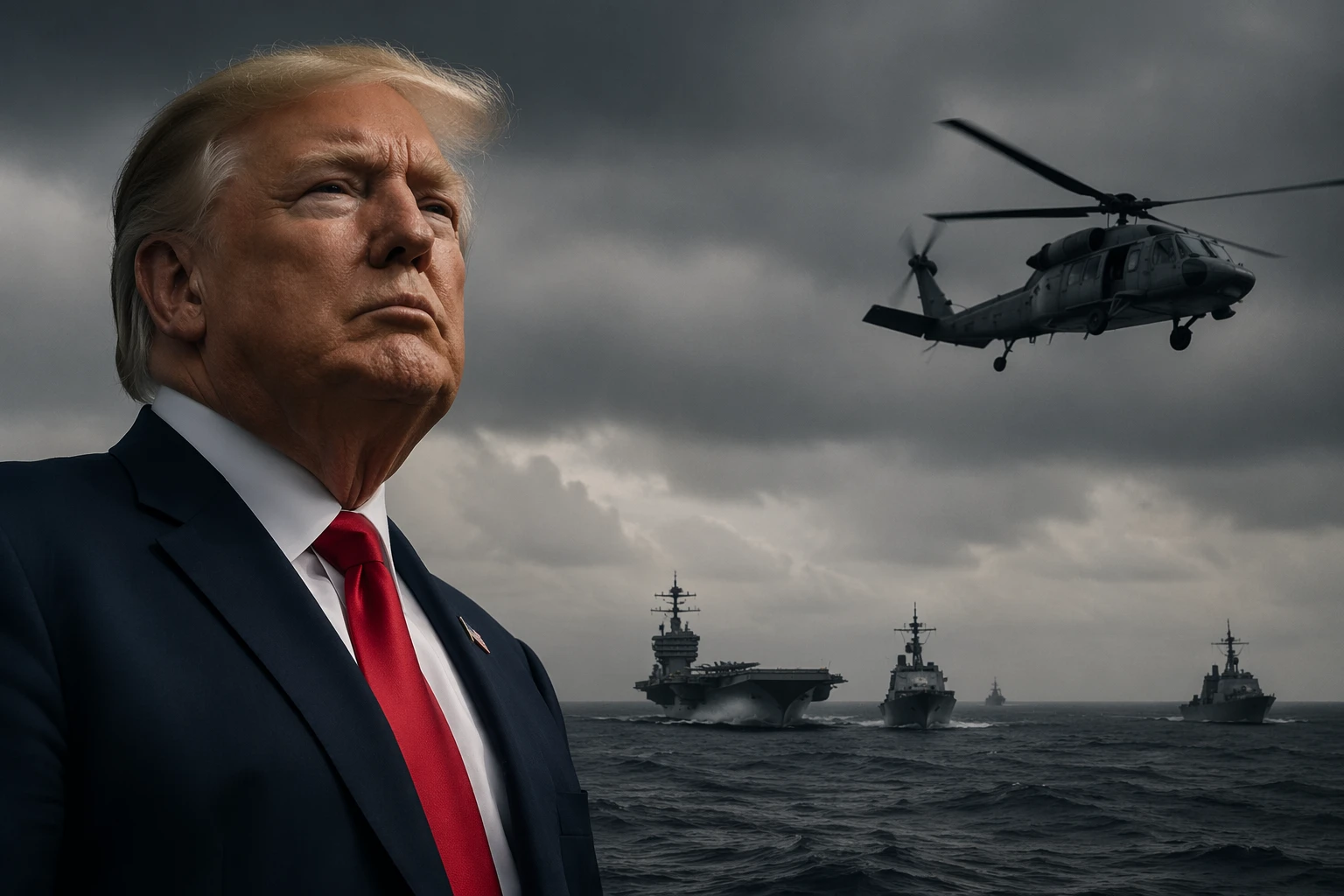
The U.S. Energy Information Administration says there are very few alternatives if Hormuz is shut, leaving oil producers and shippers with limited routes to move crude out of the Gulf. That is why even the threat of a prolonged closure can move markets quickly: higher freight and insurance costs tend to follow any disruption, and those costs can ripple outward into fuel prices, supply chains and household budgets if tankers stay away for long.
For now, the confrontation has settled into a dangerous pattern of blockade threats, retaliatory strikes and contested control over a narrow sea lane that carries a fifth of the world’s petroleum liquids. The more the crisis drags on, the more a tactic framed as limited pressure looks like a trigger for wider regional escalation.
Sources
- [1]npr.org
- [2]eia.gov
- [3]usnews.com
- [4]politico.com
- [5]finance.yahoo.com
- [6]cnbc.com