World
Trump threatens Iranian oil hub Kharg Island, key to global exports
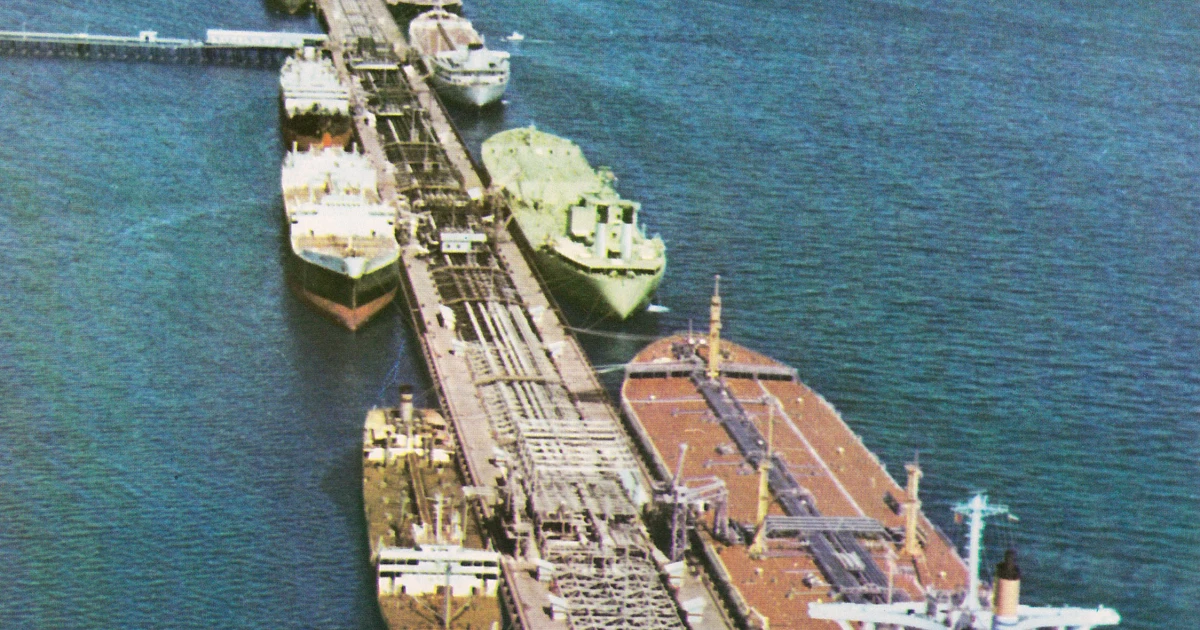
Kharg Island sits at the center of Iran’s oil economy and, by extension, a major slice of the world’s energy supply. Donald Trump’s threat to seize the island militarily matters because Kharg handles most of Iran’s crude exports, can load 10 supertankers at once, and sits inside a wider Persian Gulf system where even short disruptions can rattle prices and shipping costs.
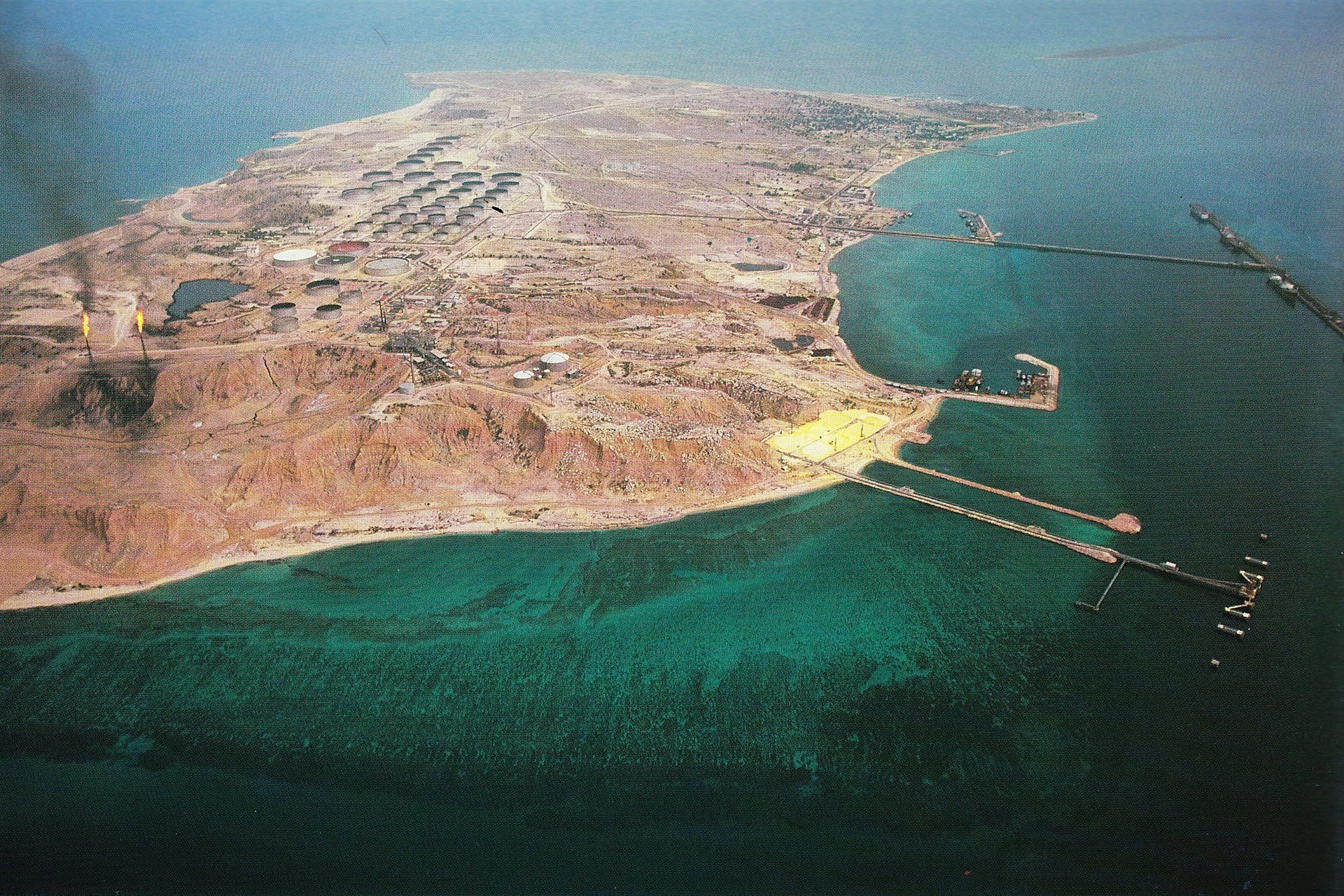
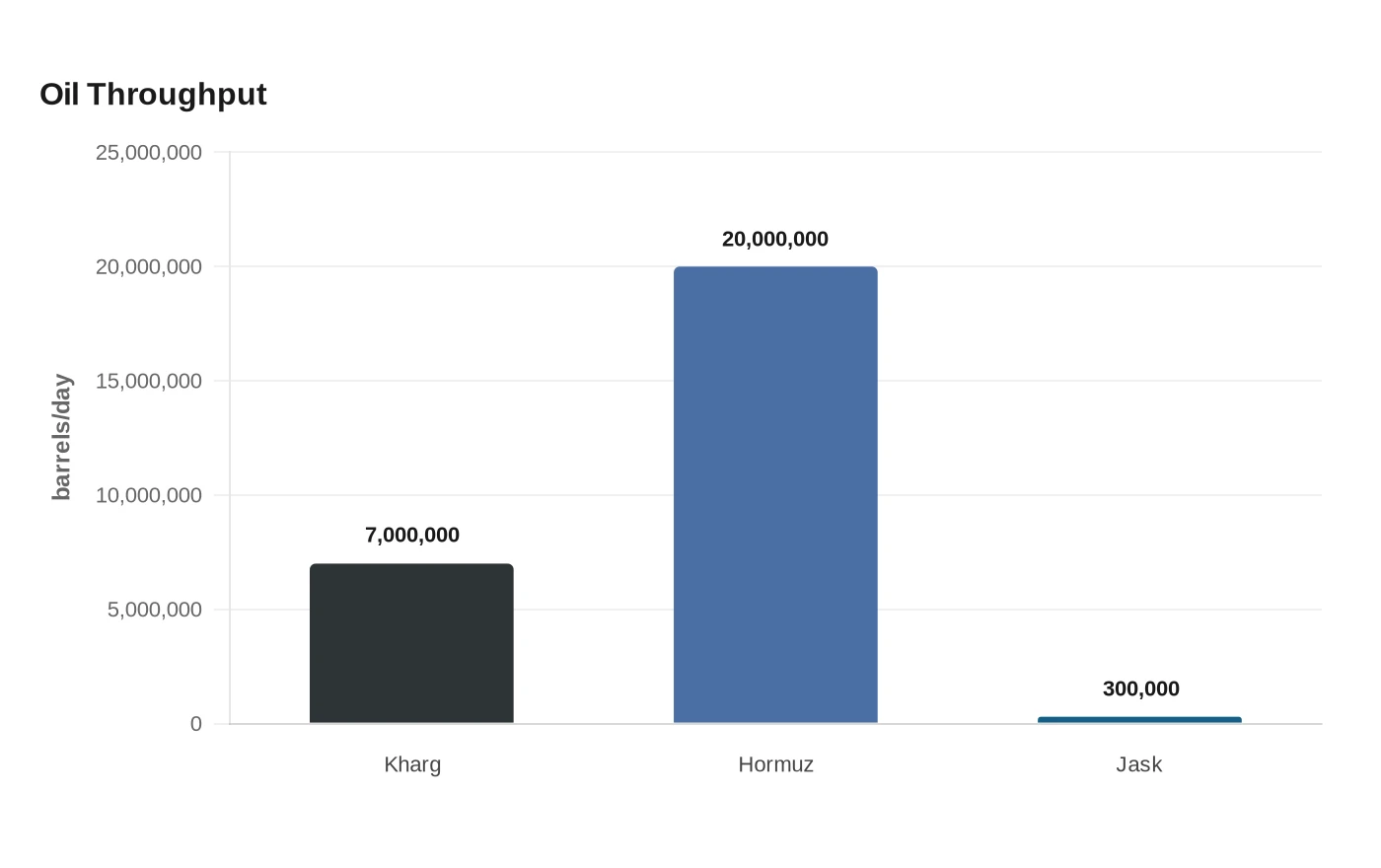
The island lies about 34 miles, or 55 kilometers, northwest of Bushehr in the northern Persian Gulf. It is unusually well suited to sustain activity, with natural freshwater resources that made it a trading post long before it became Iran’s premier oil-export terminal. The U.S. Energy Information Administration says Kharg includes a main terminal and a four-berth sea island, with three berths operational, and that most of Iran’s crude oil exports move through the site. Encyclopaedia Britannica puts the terminal’s loading capacity at about 7 million barrels per day.
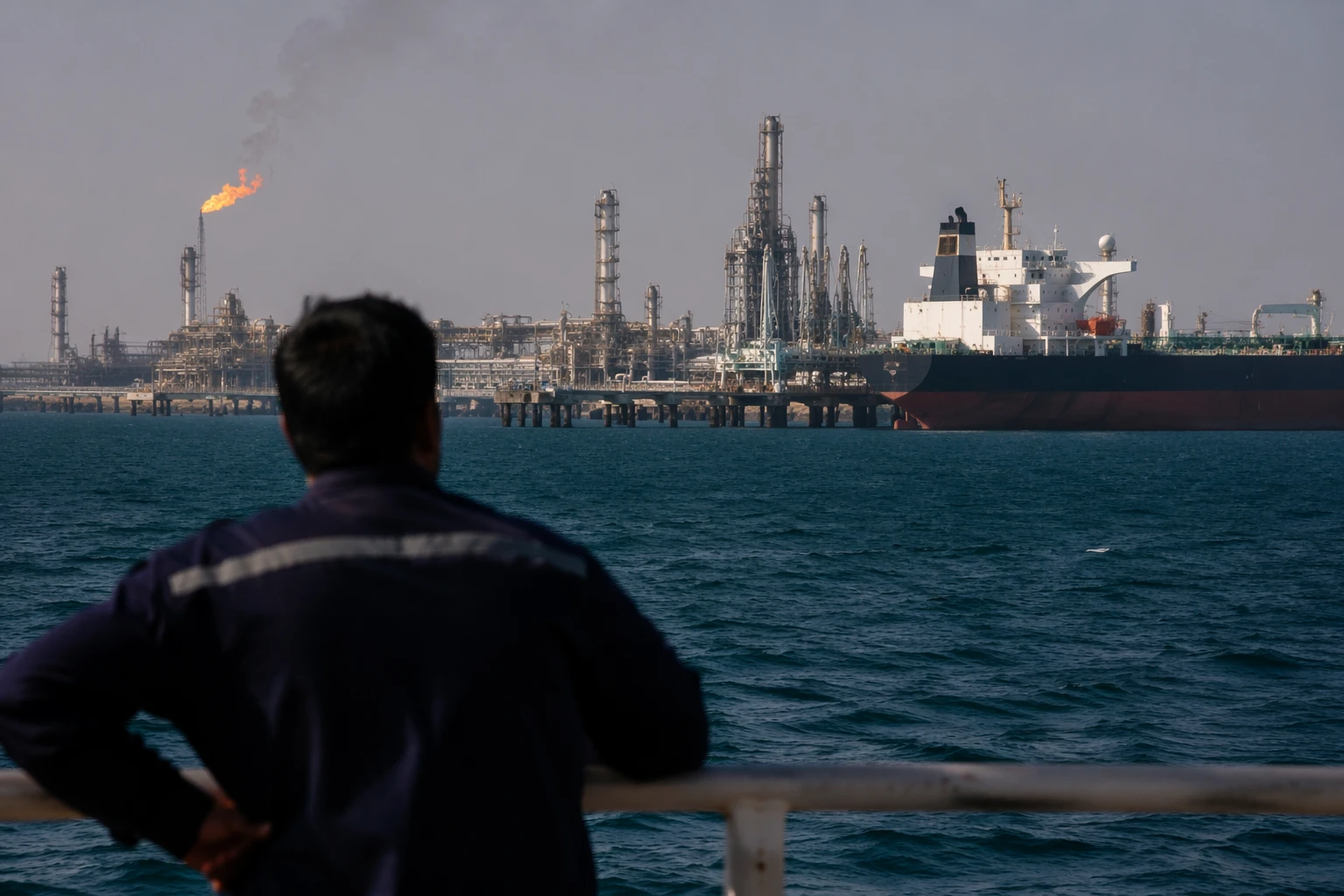
That scale is why Kharg has long been a military target in waiting. Britannica says the Tanker War, the maritime phase of the Iran-Iraq War, began in May 1984 after Iraq stepped up attacks on Kharg and Iran responded against shipping in the Persian Gulf. The island’s oil infrastructure was repeatedly hit during that conflict, reinforcing its status as one of Iran’s most sensitive strategic assets. Even in earlier eras, Britannica notes, U.S. strikes avoided Kharg’s oil facilities.
The stakes are not only Iranian. The Strait of Hormuz, which connects the Persian Gulf to open waters, averaged 20 million barrels per day in 2024, about 20% of global petroleum liquids consumption, according to the Energy Information Administration. Any threat to Kharg would sharpen concerns about tanker security, insurance costs and the possibility of a broader confrontation at sea.
Iran has tried to build an alternative. The Goreh-Jask pipeline and Jask export terminal on the Gulf of Oman opened with a single export cargo in July 2021, but the effective capacity is only around 300,000 barrels per day, far below Kharg’s throughput. That leaves the island as the main outlet for Iranian crude even when some cargo can be diverted elsewhere.
The pressure point is especially serious because sanctions already forced Iran’s exports sharply lower. After the United States withdrew from the JCPOA in May 2018 and reimposed sanctions that November, Iran’s crude and condensate exports fell below 500,000 barrels per day for much of 2019 and 2020. The Energy Information Administration says Iran was still the fourth-largest crude oil producer in OPEC in 2023, and its oil companies earned about $53 billion in net oil export revenues that year. A threat to Kharg would put that revenue stream, and the stability of global oil markets, directly in the crosshairs.
Sources
- [1]cbsnews.com
- [2]eia.gov
- [3]britannica.com